
Protecting Your Lawn While Away From Home
Last Updated on December 23, 2025 by Janell
Leaving home should not mean returning to a stressed, patchy yard. Lawns respond quickly to neglect, especially during heat or storms, so a little planning goes a long way. The key is to keep growth steady, moisture balanced, and debris under control while you are gone. With the right setup, your grass can look cared for and ready to enjoy the moment you unlock the door again.
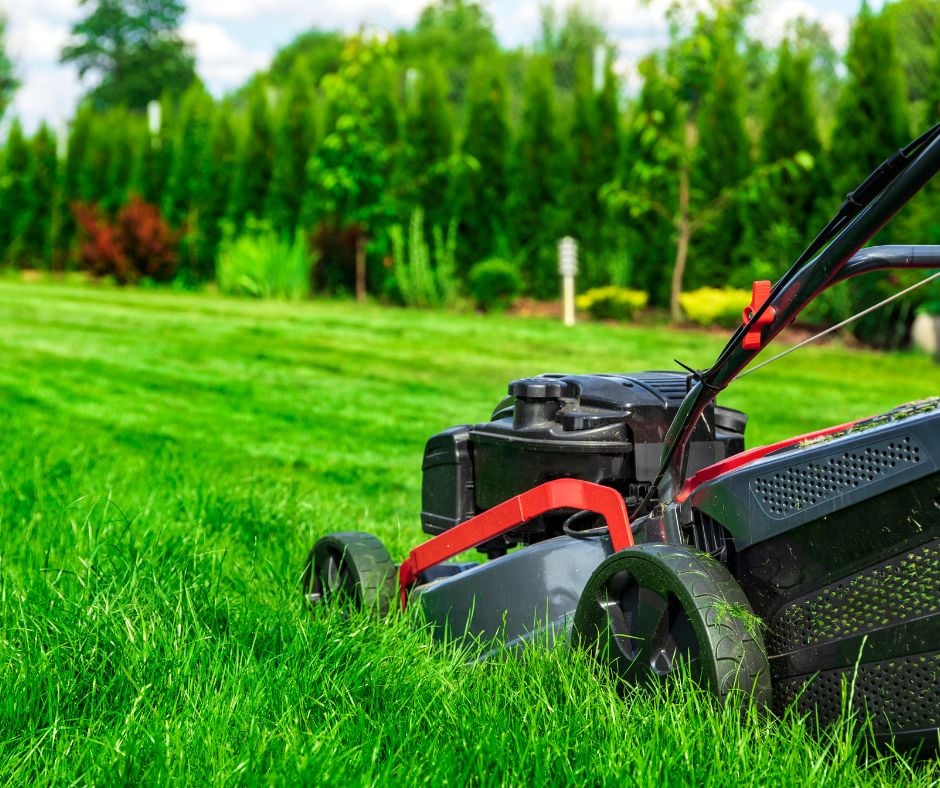
Set Mowing Height And Timing Before Departure
Healthy grass relies on consistent cutting height because leaf blades are the plant’s energy factories. Aim for a setting that removes no more than one-third of the blade, since deeper cuts expose soil and invite scorch or weeds.
Schedule a final mow a day or two before you leave so clippings can settle, and the canopy can recover. If your trip spans several growth cycles, arrange a trusted neighbor or service to keep the cadence, and leave clear instructions about height and patterns. Alternating directions with each cut prevents ruts and lays leaves upright, which improves light capture and reduces matting.
A steady plan keeps growth even and discourages the thin spots that appear when grass is shocked by irregular trimming.
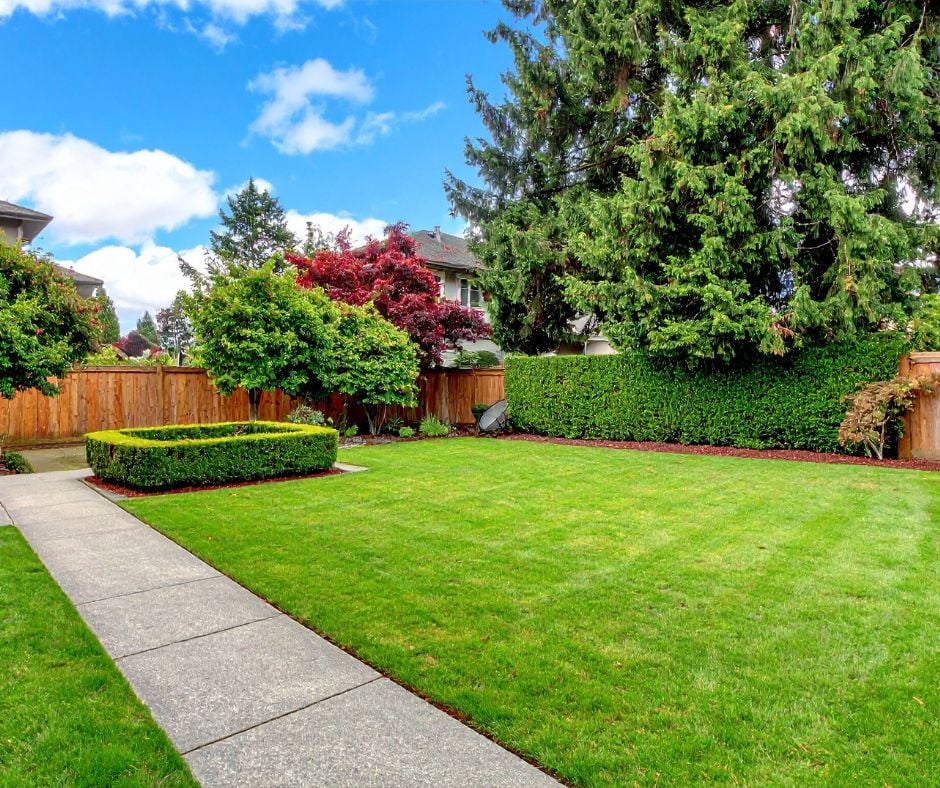
Select Equipment And Backup Options That Fit Your Yard
Reliable tools protect results when you are not around to fix hiccups, which is why equipment choices matter. If you are upgrading or asking a helper to mow, consider quieter electric lawn mower choices that start easily and keep neighbors comfortable during early or late passes.
Battery systems avoid fuel storage issues, reduce fumes on patios, and are straightforward for occasional users to operate safely. Keep a spare, charged battery ready and store the primary one indoors, since stable temperatures preserve capacity and runtime. Mark the mower’s height notch with a small piece of tape so a helper can set the deck correctly every time.
A short note on bagging or mulching helps too, because mulch cycles nutrients back into the soil, while bagging is useful when seed heads or heavy debris appear.
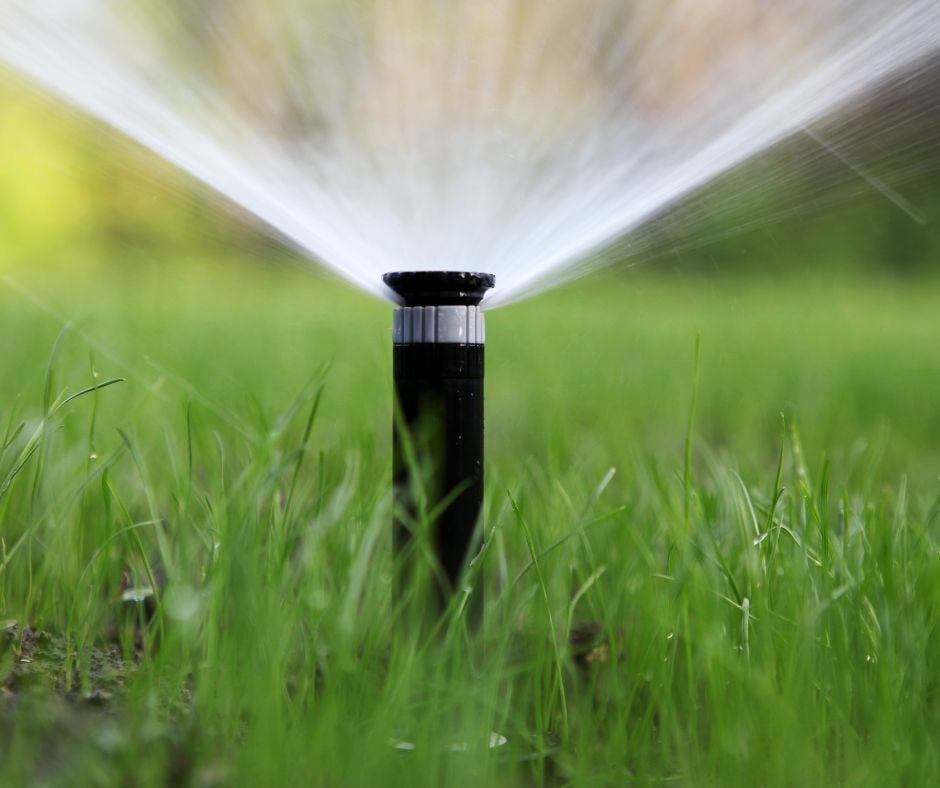
Tune Irrigation For Weather And Soil Conditions
Watering schedules should reflect soil type, recent weather, and your grass species, not guesswork. Deep, infrequent sessions help roots reach downward, but you should shorten intervals during heat waves to prevent stress lines across the yard.
Check that sprinkler heads rise and rotate freely, then run a quick catch-can test to verify even coverage across zones. Smart controllers adjust for rain and temperature, yet manual confirmation of settings before you leave prevents surprises. In clay soil, split cycles reduce runoff by allowing soak time between passes, while sandy soil benefits from slightly more frequent sessions to keep moisture in the root zone.
A balanced plan keeps color even and limits disease, which often follows lawns that swing between soaked and parched.
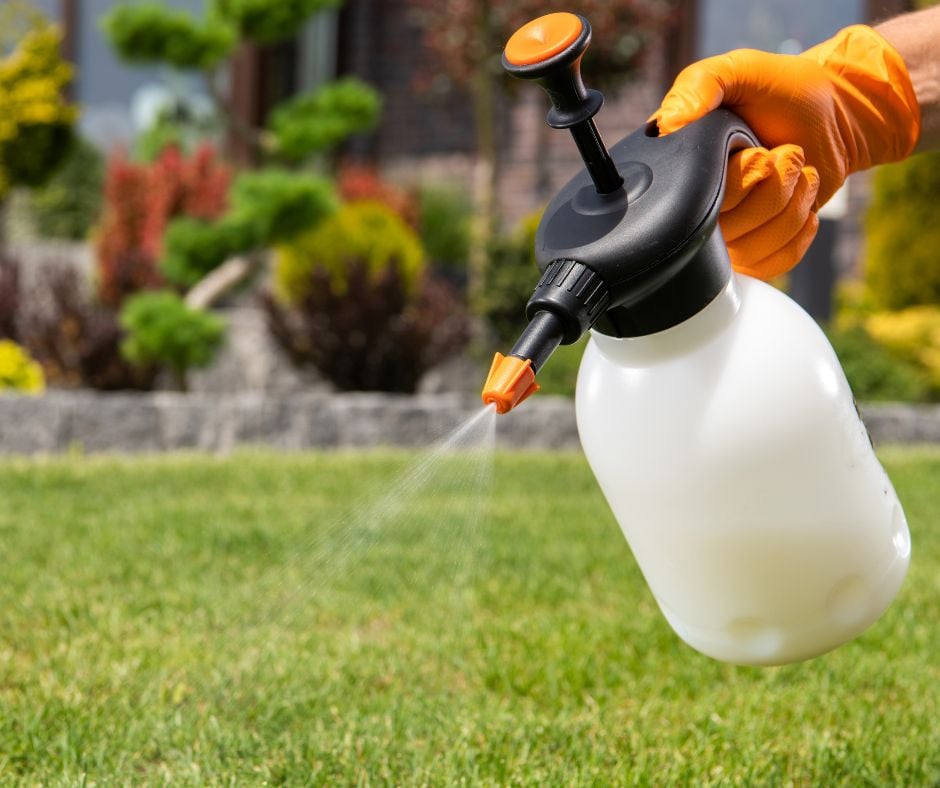
Guard Against Weeds, Pests, And Disease While You Are Away
Weeds exploit thin patches and can spread during a single trip if not addressed. Spot treat active offenders a week before departure so foliage has time to absorb product, and avoid blanket applications that could stress the lawn during heat. Inspect for chinch bugs, grubs, or fungal leaf spots, since early signs can be subtle along walkways and sunny borders.
A low nitrogen feeding ahead of travel maintains color without pushing tender growth that invites disease. Clear thatch or dense clippings where moisture lingers, because trapped humidity encourages fungi that leave rings and patches.
A little prevention keeps the canopy resilient and less likely to change character while you are gone.
Keep Edges, Debris, And Hardscape in Good Order
Edges frame the lawn and make the entire property read as tidy. Trim along beds, paths, and driveways on the same day as the final mow so grass does not feather into hardscapes while you are away.
Walk the yard to remove branches, toys, and stones that could block sprinklers or become hazards to a helper using a trimmer. Clean blower nozzles and check cord condition for electric tools so quick touch ups remain easy for anyone assisting you. Clear the street gutter near your curb, since heavy rain can move sediment that stains edges and slows drainage.
When borders stay crisp, and surfaces are clear, the yard presents as cared for even during longer trips.
Leave Simple Instructions And A Friendly Watch Plan
People want to help when they know exactly what to do, so leave a short, printed guide for anyone tending the lawn. Include the mow height, pattern, and a reminder to avoid cutting on saturated soil to prevent ruts and compaction. Add irrigation schedules, zone locations, and a note on how to pause watering after heavy rain, since smart choices save both water and turf health.
Share your contact information, the service company’s number, and a tip on where to find bags or spare batteries. Ask for a quick photo after each visit so you can spot issues early and suggest light adjustments. A clear plan keeps helpers confident and your lawn on track.
A lawn that stays healthy during your absence reflects quiet planning rather than constant attention. Consistent height, steady moisture, and clear edges preserve color and texture when travel pulls you away.
Helpers succeed when instructions are simple and tools are ready, and your turf thanks you with fewer surprises and quicker recovery. With these habits in place, you can lock the door, enjoy your trip, and return to a yard that looks as capable and welcoming as the day you left.