
The Smart Shopper's Guide to Buying Better Meat on a Budget
Last Updated on April 24, 2026 by Janell
Eating well doesn't have to mean spending a fortune. For many households, meat is one of the biggest grocery expenses and also one of the most confusing to navigate. With so many labels, cuts, and price points competing for your attention, it's easy to either overspend out of uncertainty or underspend and end up with something disappointing on your plate.
The good news? A little know-how goes a long way. Here's how to shop smarter, eat better, and actually enjoy what you're cooking, without breaking the bank.
Understand the Cuts Before You Shop
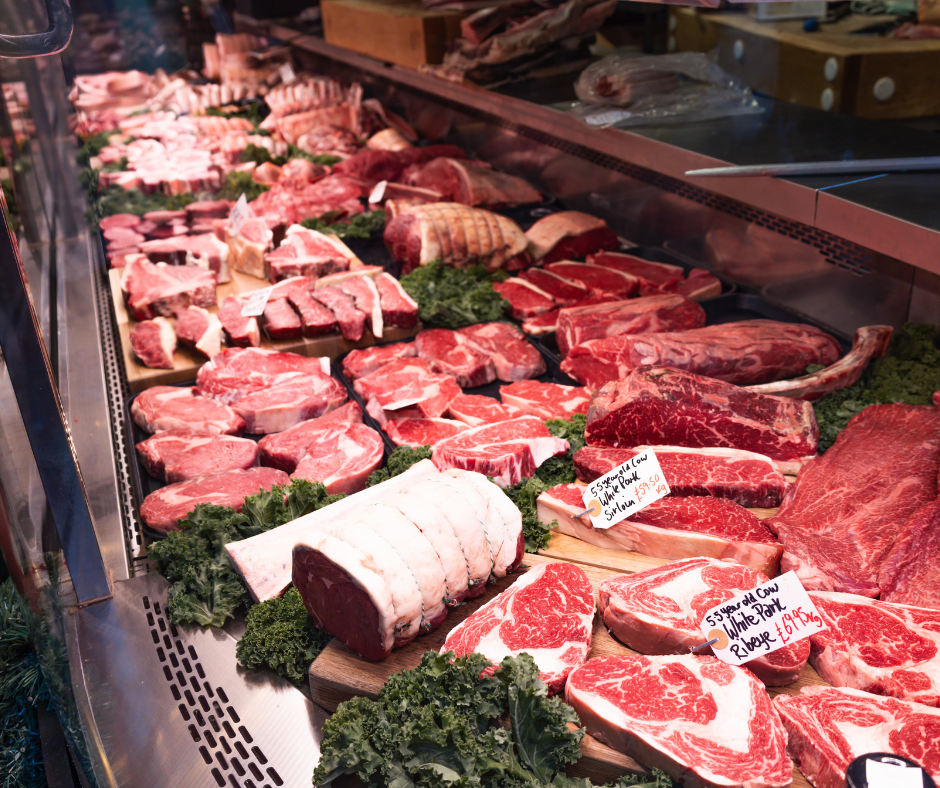
One of the most powerful things you can do as a meat buyer is learn which cuts come from which part of the animal and why that affects price. Premium cuts like ribeye, fillet, and rack of lamb are priced high because they're tender, quick to cook, and in high demand. But that doesn't make them superior in flavor.
Tougher, less glamorous cuts such as think shin, shoulder, brisket, or oxtail are often far more flavourful. They just need a little more time and the right cooking method. A slow-braised lamb shoulder, for instance, can be more rewarding than a quickly pan-fried chop at twice the price. Getting comfortable with slow cooking, casseroles, and one-pot meals opens up a whole world of affordable, deeply satisfying meals.
Buy Whole or in Bulk Where Possible
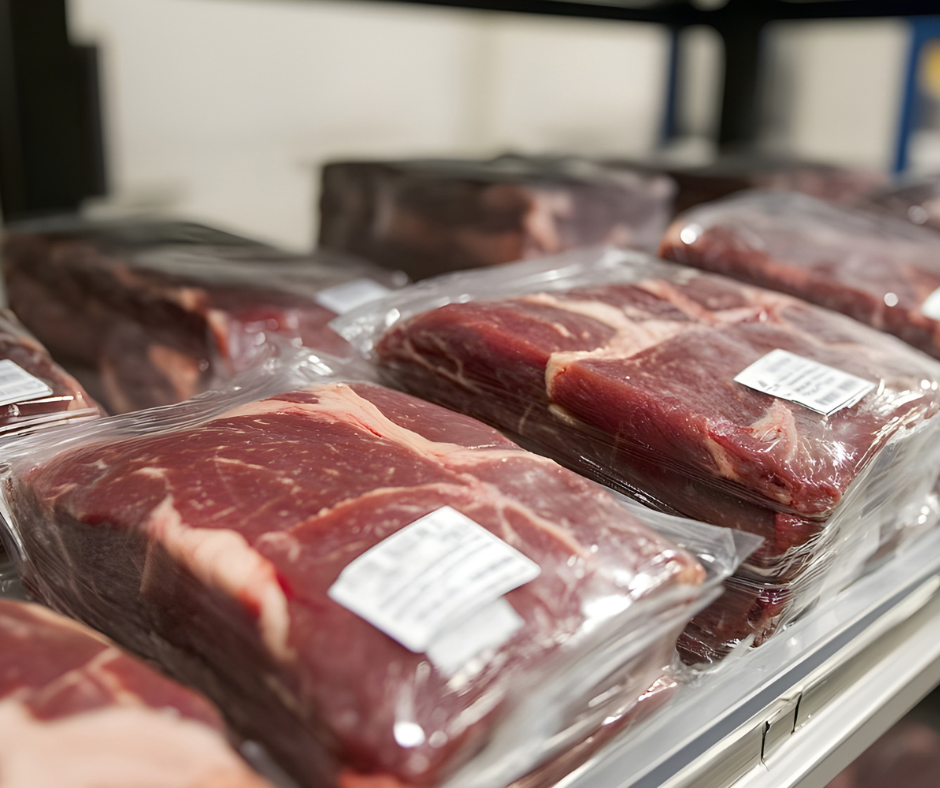
Buying larger portions almost always works out cheaper per kilogram than buying individual portions. If you have freezer space, this is one of the simplest ways to significantly stretch your meat budget.
Consider buying a whole chicken rather than pre-portioned breasts. You get the thighs, drumsticks, wings, and carcass for stock; far better value than the sum of its parts sold separately. The same principle applies to joints of beef, pork belly, or a whole leg of lamb. Many butchers and online meat suppliers offer bulk purchases at a noticeable price reduction.
This is also where considering less mainstream proteins can pay off. Game and lamb meats are often more affordable than premium farmed cuts, particularly when bought in season. The Organic Butchery offers a range of ethically sourced game and lamb options that are well worth exploring if you're looking to add variety without inflating your weekly spend.
Prioritize Quality Where It Counts
Being budget-conscious doesn't mean buying the cheapest meat every time. It means being selective. When you're using meat as the star of the dish, it's worth investing in something well-sourced and well-reared. When it's going into a stew, a bolognese, or a stir-fry with lots of other ingredients, a more economical cut does the job beautifully.
This is the approach that professional chefs take. They're not buying fillet steak for a slow-cooked ragù. They're choosing cuts that suit the cooking method and getting the most from every part of the animal. Bringing that mindset into home cooking is genuinely transformative.
Organic Butchery is one example of a supplier that makes it straightforward to source higher-welfare, well-raised meat without the confusion of supermarket labeling. For those moments when quality really matters, knowing where your meat comes from and how the animal was raised isn't just an ethical consideration; it often translates directly to better flavor.
Don't Overlook Offal and Lesser-Known Proteins
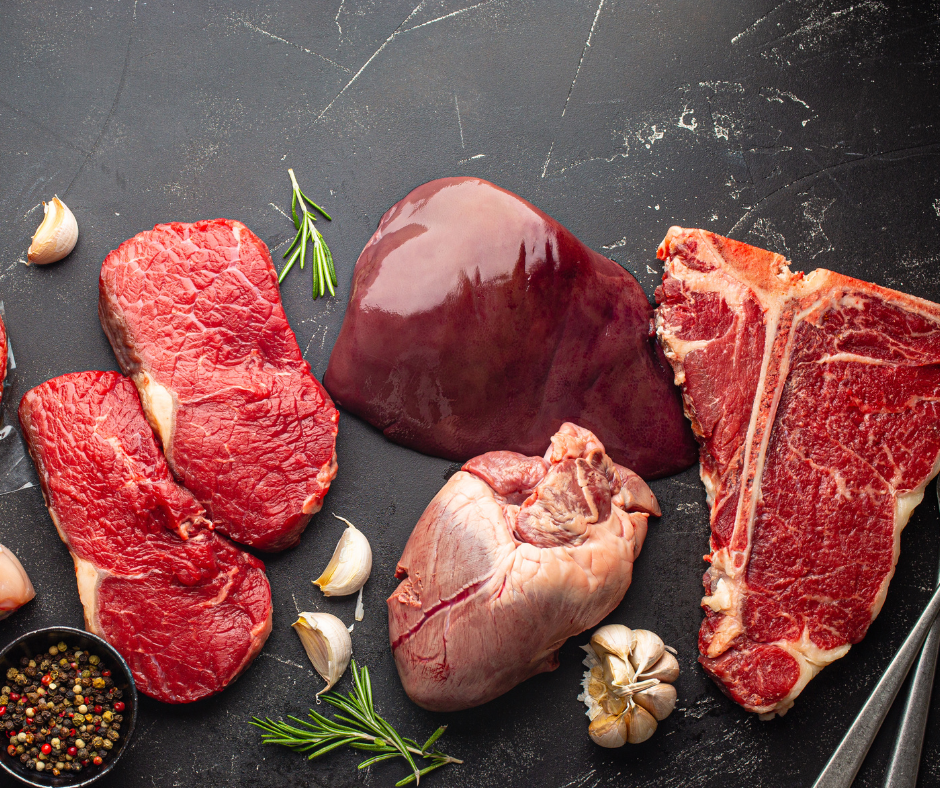
If you're genuinely committed to eating better meat for less money, offal deserves a second look. Liver, kidneys, heart, and tongue are among the most nutritious and economical cuts available. They're also deeply embedded in traditional cuisines around the world for good reason. When cooked well, they're absolutely delicious. Ground beef is also affordable and can be used in a variety of recipes.
Similarly, expanding your repertoire beyond the usual beef-chicken-pork rotation can unlock significant savings. Duck legs, lamb neck, pork cheeks, and venison shoulder are all cuts that reward patient, low-temperature cooking and cost considerably less than their headline equivalents.
The key is approaching these cuts with curiosity. There are excellent recipes for each of them, and the learning curve is much gentler than most people expect.
Make Every Part Count
Reducing waste is one of the most underrated aspects of smart meat shopping. When you roast a chicken, save the carcass and simmer it into stock. When you cook a pork joint, render the fat. Bones from any roast can be used to make a rich, nourishing broth that adds depth to soups, risottos, and sauces.
This kind of nose-to-tail thinking is a more respectful and sustainable way of engaging with the food you buy. And it significantly increases the value you get from every pound you spend.
Plan Around the Meat, Not the Other Way Round
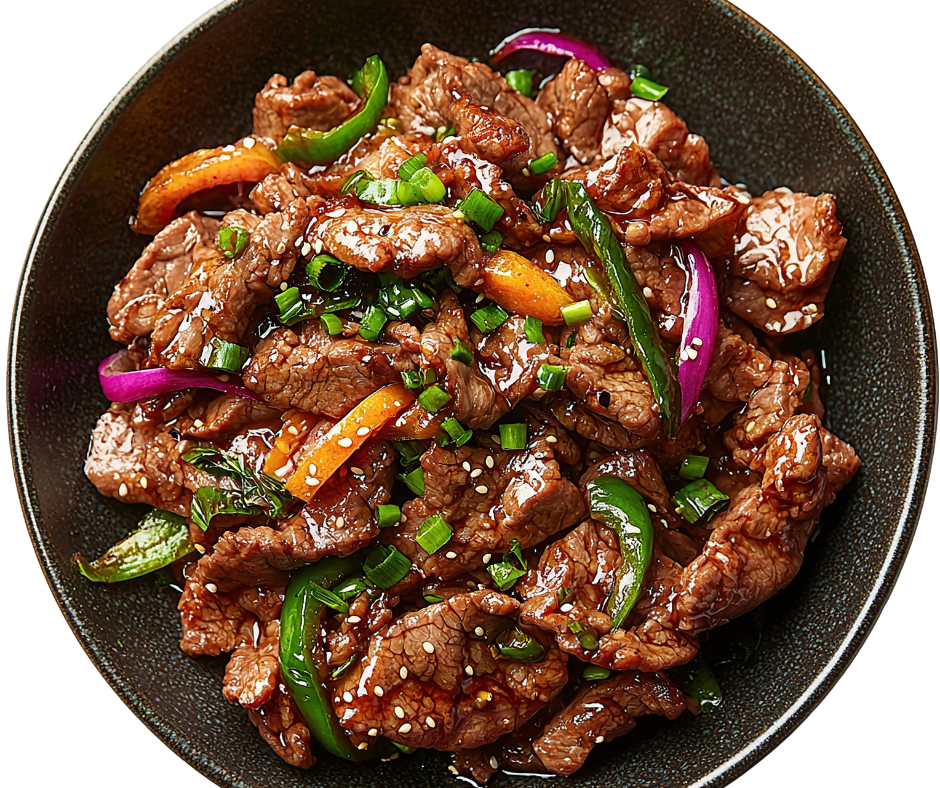
A small habit change that makes a real difference: instead of deciding what you want to eat and then buying the meat, try building your meals around what's available at a good price. If your butcher has an excellent offer on pork shoulder this week, plan your meals with that in mind. If venison is in season, let that guide your menu.
This approach takes a little flexibility, but it's also more creative and more rewarding. It connects you to seasonality, reduces waste, and consistently saves money over time.
Buying better meat on a budget is more about building knowledge. Once you understand cuts, embrace less familiar proteins, buy in bulk where you can, and reduce waste throughout the week, quality and affordability no longer feel like opposites. The smartest meat shoppers are those spending more wisely.