
Why More People Are Choosing Meaningful Experiences Over Material Things
Last Updated on August 14, 2026 by Janell
There was a time when buying something new felt like the obvious way to treat yourself. Maybe it was a new outfit, the latest phone, something for the house, or even a new car. And while there’s nothing wrong with buying things we need or enjoy, more people are realizing that having more stuff doesn’t always make life feel more fulfilling.
Instead, many of us are putting more value on the things we get to do. A family vacation, concert tickets, a cooking class or even a weekend spent exploring somewhere new can give us something that lasts much longer than the excitement of opening a package.
Why People Are Questioning Consumer Culture
It’s surprisingly easy to accumulate things without really meaning to. We shop because we’re bored, because something is on sale or because social media convinces us that everyone else has something we need too.
Then a few months later, that must-have purchase is sitting in a drawer or taking up space in a closet.
That doesn’t mean we need to stop buying things altogether. It’s more about being thoughtful about where our money goes. Sometimes the better question isn’t, “Can I afford this?” but, “Will I still be glad I spent money on this a year from now?”
For a lot of people, experiences are starting to win that comparison.
The Psychology of Experiential Spending
There’s actually research behind the idea that doing something can make us happier than buying something.
A University of Texas study found that people experienced more happiness from experiential purchases than material purchases.
Part of the fun also happens before the experience even begins. Looking forward to travel or an event can be exciting on its own. Planning the trip, talking about what you’re going to do and counting down the days all become part of the experience.
That’s very different from buying something new. The excitement of a purchase often wears off once we get used to having it.
Memories tend to work the opposite way. Years later, we can still laugh about something that happened on vacation or remember exactly how we felt at a concert, sporting event or family celebration.

How Travel Creates Lasting Memories
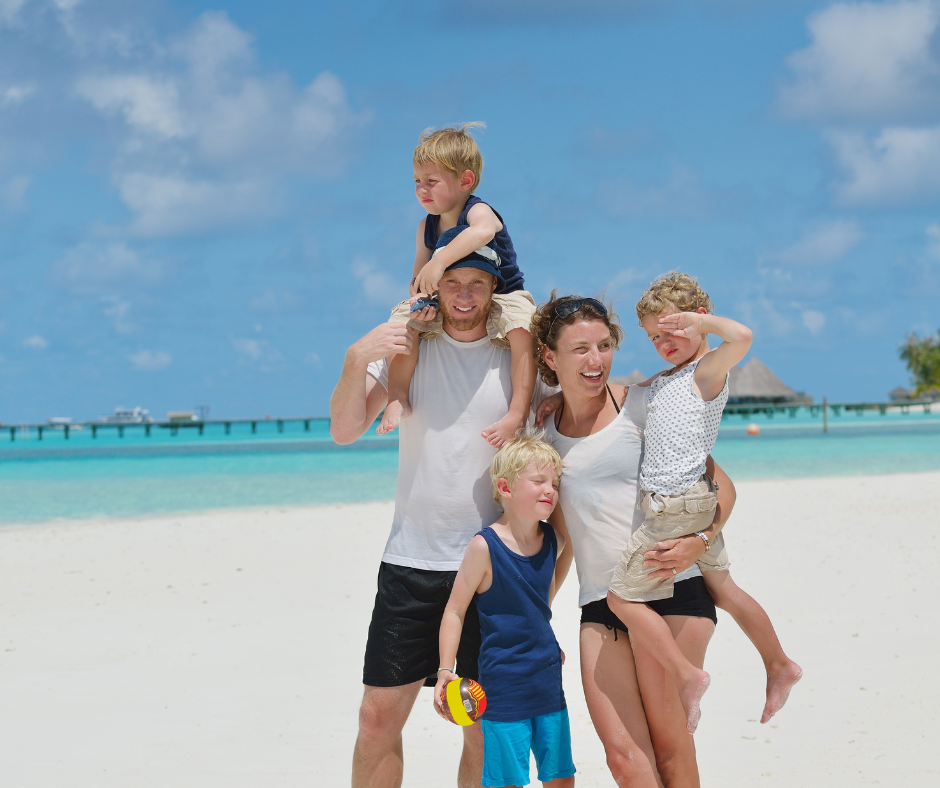
Travel is one of the easiest ways to see the difference between buying things and collecting experiences.
Getting away from your normal routine gives you a chance to see new places, eat different foods and do things you probably wouldn’t do at home. Sometimes the memories come from the big moments, but just as often, they come from the completely unexpected ones.
Adventure trips can make those memories even more memorable. For those who value experiences over possessions, ski holidays offer a unique combination of outdoor adventure, personal achievement, and meaningful time with loved ones.
And it doesn’t have to be about becoming an expert skier or checking something off a bucket list.
You may remember your child finally making it down the hill without falling, laughing together on the chairlift or the time someone ended up face-first in a snowbank. Those are the stories families tend to tell over and over again.
Why Shared Experiences Strengthen Relationships
One of the best things about experiences is that we often share them with other people.
A new pair of shoes or a new gadget might make us happy, but it doesn’t necessarily create a connection with someone else. A trip, concert, class or day out gives people time together and something they can remember later.
Even the parts that don’t go according to plan can become some of the best stories.
Research has also found that Experiential gifts can strengthen relationships more effectively than material gifts.
Think about the gifts you remember most from years ago. Chances are, at least a few of them weren’t things at all. They were tickets, trips, special dinners or days spent doing something with someone you love.
Experiences and Sustainable Living
Choosing experiences instead of buying more things can also help reduce clutter, although experiences aren’t automatically better for the environment.
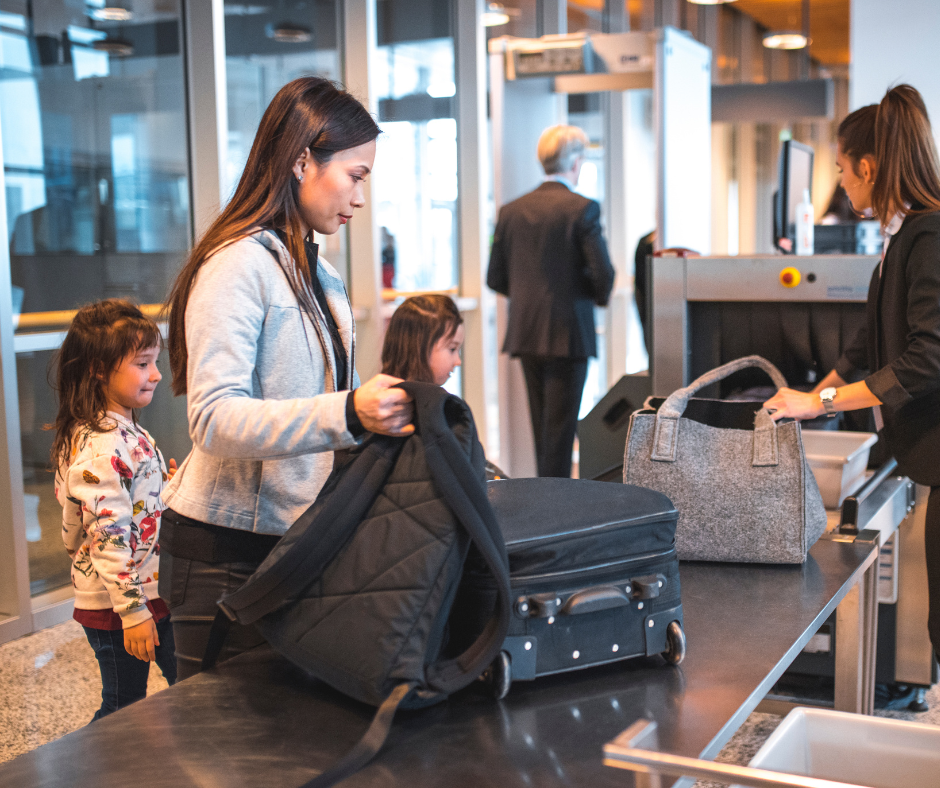
Travel still has an impact. Flights use fuel, hotels use resources and some activities require a lot of energy or equipment.
There are ways to make more thoughtful choices, though. That could mean taking vacations closer to home, planning fewer but longer trips, using trains when it makes sense, renting equipment instead of buying something you'll only use once or supporting local restaurants and businesses while you travel.
It doesn’t have to be an all-or-nothing decision.
There will always be things worth buying. But before spending money on another item that may eventually end up forgotten in a closet, it can be worth thinking about what else that money could give you.
A new possession might be exciting for a few weeks. A great experience can turn into a story your family is still talking about years later.