
Steps to Take When Planning a Future with Your Partner Overseas
Last Updated on April 29, 2026 by Janell
I lived overseas for many years and saw many cross-cultural relationships. It can be a difficult situation, but with the right planning, you can make it work. Check out these tips and let me know if you have any other tips.
Have you ever wondered what it really takes to build a life with someone who lives thousands of miles away, maybe in the UK? Planning a future overseas trip sounds romantic, yet it quickly becomes a practical puzzle. From visas to values, every step requires thought. This guide explores the key steps to take, offering a grounded overview shaped by real-world trends and everyday realities.

Understanding the Emotional Landscape
Long-distance love often begins with excitement, but sustaining it demands emotional clarity. Many couples underestimate how cultural differences and time zones affect communication, especially when daily routines barely overlap. A British morning call may clash with an American late-night wind-down, and small frustrations can grow quickly if ignored.
Recent shifts in remote work have made international relationships more feasible, yet they also blur boundaries between personal and professional life. Couples should discuss expectations early, including how often they communicate and how they handle conflict. Emotional preparation matters as much as logistics, because moving countries will not fix unresolved issues; it will amplify them.
Navigating Immigration Realities
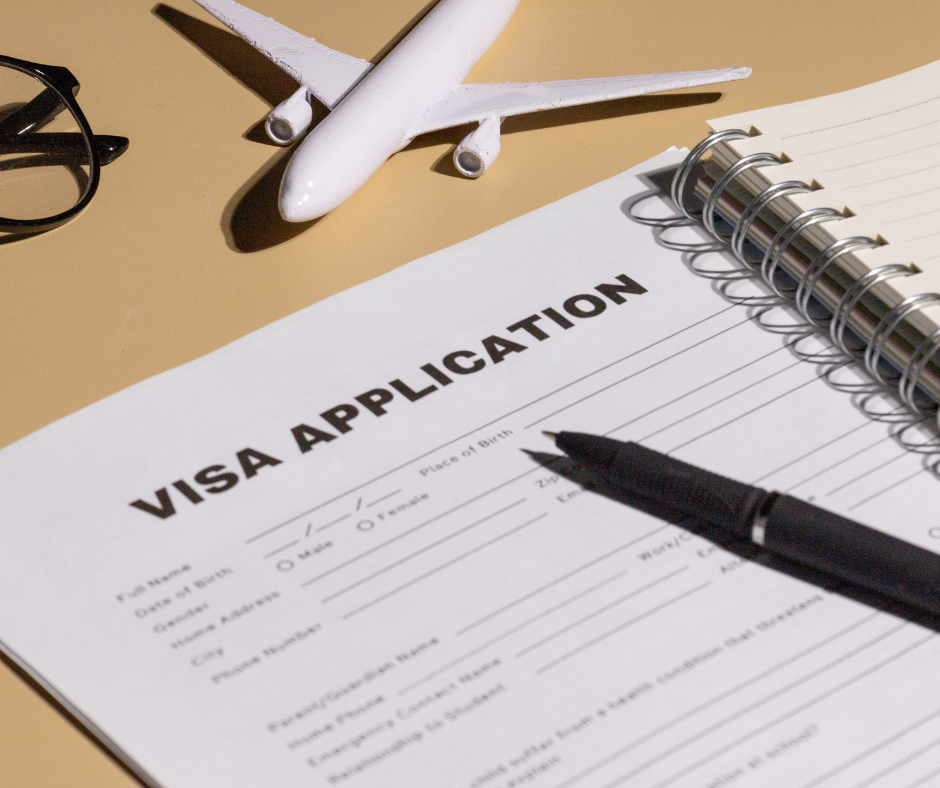
Immigration rules can feel like a maze, and they rarely bend for romance. Governments have tightened requirements in recent years, partly due to rising debates over migration across Europe and North America. This means careful planning is no longer optional; it is essential.
When exploring options such as a fiance visa UK immigration consultants often advise couples to prepare detailed evidence of their relationship, financial stability, and intent to marry. Processing times can stretch for months, so patience becomes part of the relationship itself. It is wise to consult official government resources and, if possible, a qualified adviser, as small errors in paperwork can lead to costly delays or refusals.
Aligning Long-Term Goals
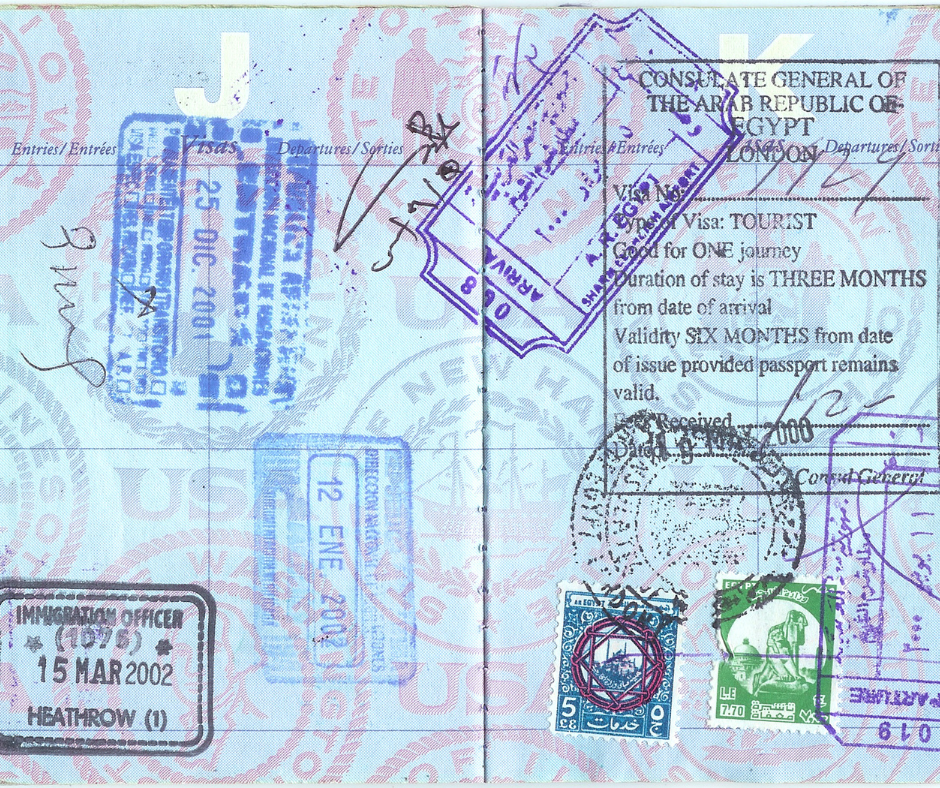
Beyond visas, couples need to ask harder questions about the future. Where will you live after marriage? Who will compromise on career progression? These conversations often reveal differences that were easy to overlook during visits and holidays.
In a world where global mobility is both a privilege and a challenge, aligning goals has become more complex. One partner may thrive in a fast-paced city like London, while the other prefers suburban stability. Agreeing on shared priorities, such as financial planning or family timelines, prevents resentment from quietly building over time.
Financial Planning Across Borders
Money conversations are rarely romantic, yet they are crucial when planning an international life together. Exchange rates, cost-of-living differences, and tax obligations can quickly complicate even simple budgets. The fluctuations of the pound and the dollar alone can significantly affect savings and spending power.
Couples should create a joint financial plan that includes visa costs, relocation expenses, and emergency funds. Opening an international bank account or researching cross-border financial tools can ease the transition. Transparency about debt, income, and financial habits builds trust and reduces stress during what is already a demanding process.

Preparing for Cultural Adjustments
Moving countries is not just a logistical shift; it is a cultural one. Everyday habits, from queueing etiquette in the UK to tipping culture in the US, can feel surprisingly unfamiliar. These small differences often become sources of humor, but they can also cause friction.
Recent global conversations about identity and belonging highlight how important it is to respect each other’s cultural backgrounds. Instead of expecting one partner to fully adapt, couples should approach differences with curiosity. Trying new traditions together, whether it is Sunday roasts or Thanksgiving dinners, helps build a shared sense of home.
Building a Support Network
Leaving behind friends and family can be one of the hardest parts of moving abroad. Even in an era of constant digital connection, physical distance still matters. Loneliness is a common experience for partners who relocate, especially in the early months.
Creating a support network should be a priority, not an afterthought. Joining local groups, attending community events, or even connecting with other expatriates can make a significant difference. At the same time, maintaining ties with loved ones back home provides emotional stability, reminding you that your identity is not limited to one place.
Managing Legal and Practical Details
Beyond immigration, there are countless practical tasks that demand attention. Healthcare registration, driving licenses, and housing contracts vary widely across countries, each with its own set of rules. Missing a step can lead to unnecessary complications.
The current global emphasis on digital documentation has made some processes easier, yet it has also introduced new layers of bureaucracy. Keeping organized records, both physical and digital, helps avoid stress. Couples should clearly divide responsibilities, ensuring that neither partner feels overwhelmed by the administrative burden.
Maintaining Communication Across Distance and Change
Strong communication becomes the backbone of any international relationship, especially during transitions. While video calls and messaging apps make staying in touch easier than ever, consistency matters more than frequency. Couples should agree on realistic communication routines that fit their schedules without creating pressure or guilt.
As relocation approaches, conversations often shift from emotional check-ins to practical coordination. Balancing both is key. Discuss daily experiences, not just logistics, so the relationship does not become transactional. In a time when digital fatigue is common, making space for meaningful, uninterrupted conversations helps maintain connection and trust across distance.
Staying Flexible in an Uncertain World
If recent years have taught us anything, it is that plans can change quickly. From pandemic-related travel restrictions to shifting immigration policies, uncertainty is now a constant factor in international relationships. Flexibility is no longer optional; it is a survival skill.
Couples who succeed in building a life overseas tend to adapt rather than resist change. This might mean adjusting timelines, reconsidering locations, or even delaying major decisions. While it may feel frustrating, this flexibility often strengthens the relationship, proving that commitment is not tied to a single plan but to a shared willingness to navigate whatever comes next.
Planning a future with your partner overseas is both an adventure and a test. It requires more than love; it demands preparation, honesty, and resilience. Yet for those willing to engage with the process fully, the reward is not just a shared address but a deeper understanding of each other and the world you choose to inhabit together.