
How Hard Water Affects Plumbing And Household Appliances
Last Updated on May 8, 2026 by Janell
Hard water causes significant damage to plumbing. Check out these tips to avoid costly plumbing repairs.
Why do plumbing fixtures and appliances fail prematurely? Often, the cause lies in the quality of the water flowing daily through pipes and devices. Hard water, rich in calcium and magnesium salts, gradually causes significant damage to plumbing and household appliances, shortening their lifespan and increasing repair costs. An effective way to protect against this issue is to install a whole-house water filtration system, which ensures clean water at every point of use throughout the home.
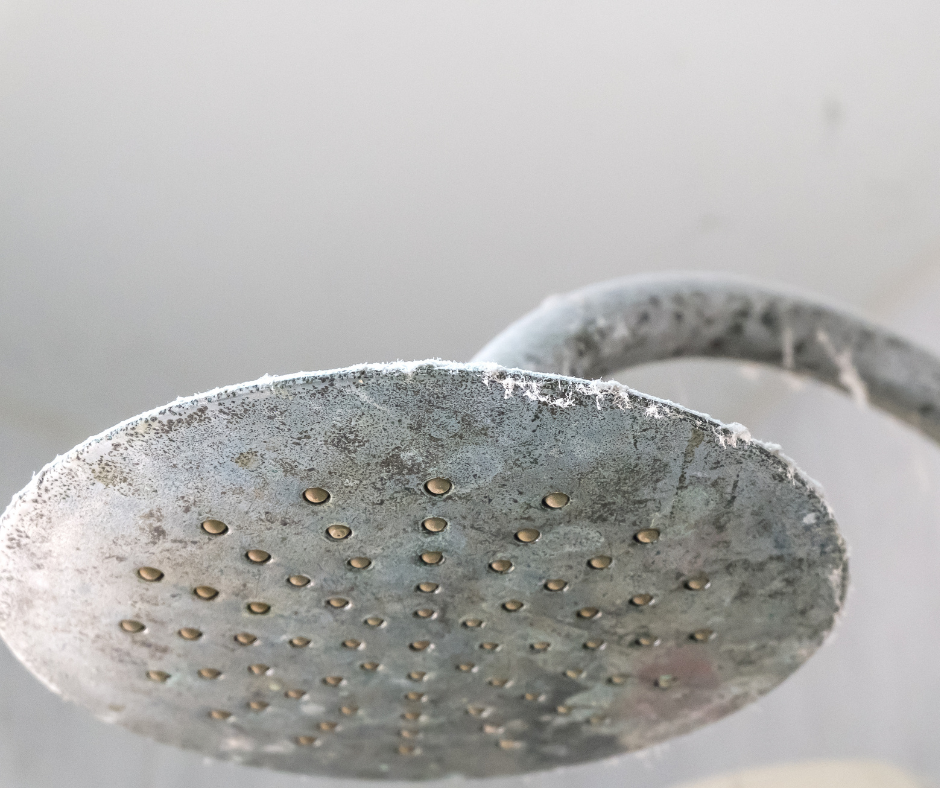
Causes and consequences of hard water for plumbing
Hard water contains elevated levels of calcium and magnesium ions. This type of water forms as minerals dissolve from rocks and soil through which it passes. When heated or in prolonged contact with surfaces, these minerals precipitate as deposits—commonly known as limescale and scale buildup.
These deposits form inside pipes, on faucets, and in mixers. The buildup narrows the water passage, reducing flow and creating conditions conducive to corrosion and mechanical damage. Over time, scale causes blockages, decreases plumbing efficiency, and leads to frequent malfunctions.
The harmful effects can be mitigated by using a high-quality whole house water filtration system, which removes excessive mineral content and protects plumbing fixtures.
Impact on pipes and connections
Hard water deposits lime scale inside pipes, reducing their diameter and impeding flow. This increases pressure in the system and can lead to deformation or cracking, especially at joints. Over time, deposits foster corrosion points, raising the risk of leaks and serious failures. Consequently, more frequent repairs or pipe replacements become necessary, which can be costly.
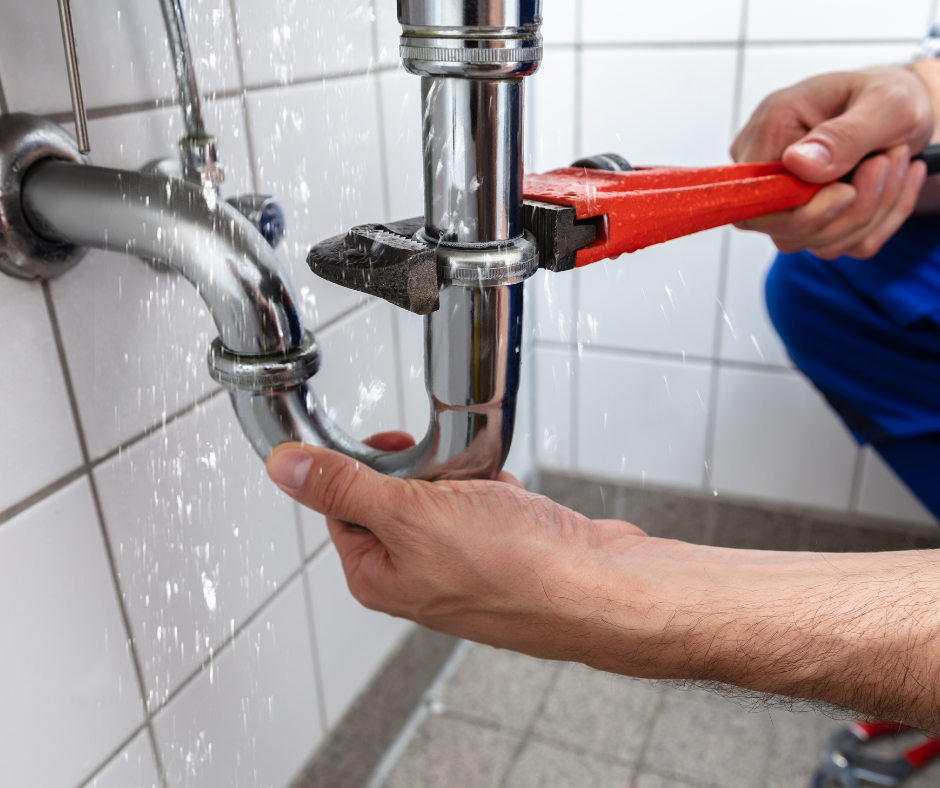
Problems with plumbing fixtures
Valves and faucets exposed to hard water often seize up due to scale buildup. Seals and gaskets lose elasticity and wear out faster, causing leaks. Mixers begin working irregularly, with difficulty switching between hot and cold water as the mechanisms become stiff. Without treatment, the condition of plumbing fixtures deteriorates rapidly.
How hard water damages household appliances
A distinctive effect of hard water is the buildup of deposits on heating elements. Washing machines, electric kettles, dishwashers, and boilers experience increased strain as calcium and magnesium salts accumulate on their heating elements.
As a result, heating becomes less efficient: appliances consume more electricity and operate slower. Lime scale reduces heat transfer, leading to frequent overheating and breakdowns. Ultimately, this leads to higher electricity bills and a shortened service life for the equipment.
Installing and using a whole-house water filtration system from Filterway helps minimize these risks, keeping household appliances in excellent condition for longer.
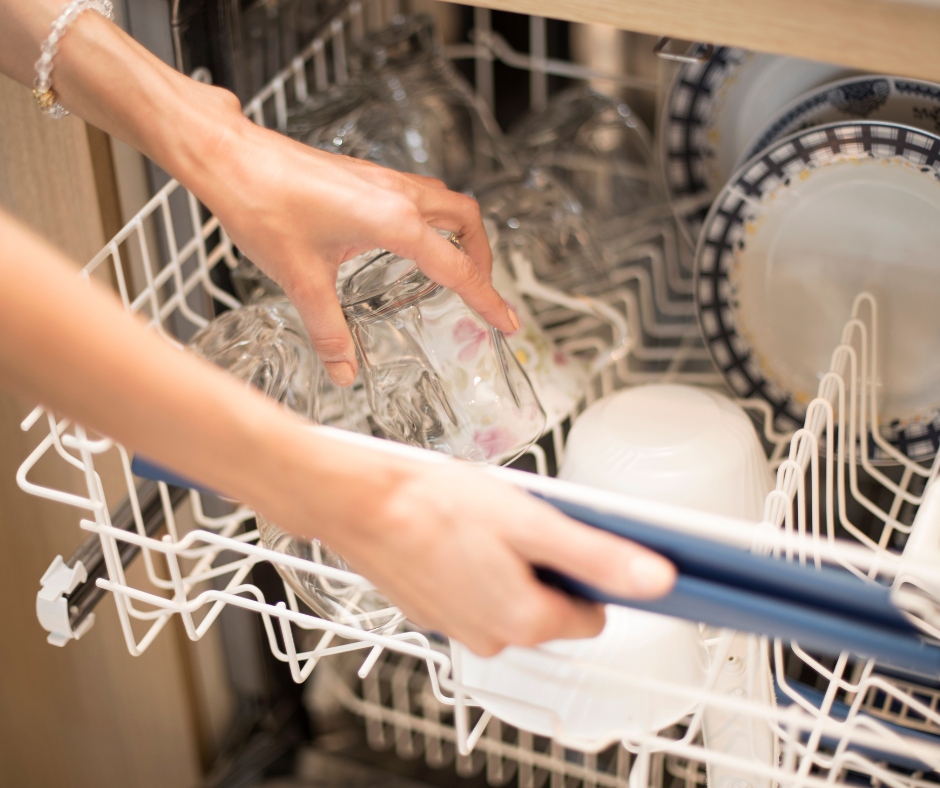
Deposits on heating elements
Scale accumulation on heating elements slows down water heating, forcing appliances to run longer and consume more energy. Frequent overheating cycles cause premature failure of heating elements. Additionally, scale promotes microcrack formation, which can cause leaks and reduce appliance safety.
Increased wear on appliance components
Hard water accelerates wear on seals, filters, and pumps within household appliances. Mineral salts clog filters and cause friction in moving parts. Such appliances require more frequent maintenance, resulting in additional costs and inconvenience.
How to protect against the negative effects of hard water
To avoid problems with plumbing and appliances, it is advisable to consider comprehensive water treatment solutions. Home filters can partially reduce hardness, but often a complete filtration system is necessary.
The whole-house water filtration system from Filterway is especially effective. It purifies water at the point of entry to the home, preventing minerals from entering pipes and appliances. This simple solution significantly extends equipment lifespan, lowers repair expenses, and saves energy.
When choosing a system, it is important to consider the quality of the incoming water and the system’s capacity. Regular maintenance and timely servicing ensure consistent filter performance, providing reliable protection for your home against hard water.
Using a quality filtration system is the best way to keep plumbing and household appliances in good working order, saving you time and money on repairs.