
Car Camping With Kids: How to Actually Enjoy the Trip
Last Updated on May 11, 2026 by Janell
Car camping with the family is one of the most flexible ways to travel. You have your own "base camp" on wheels, no flight schedules to hunt down, and the freedom to change your mind if you see a cool trail or a local ice cream shop. There are so many state parks all over the US where you can camp.
But let’s be real—cramming a family into a car with a pile of gear can get stressful fast. If you want to spend more time exploring and less time digging through the trunk for a lost sock, here is how to keep the trip simple and fun.
Keep the Schedule Loose
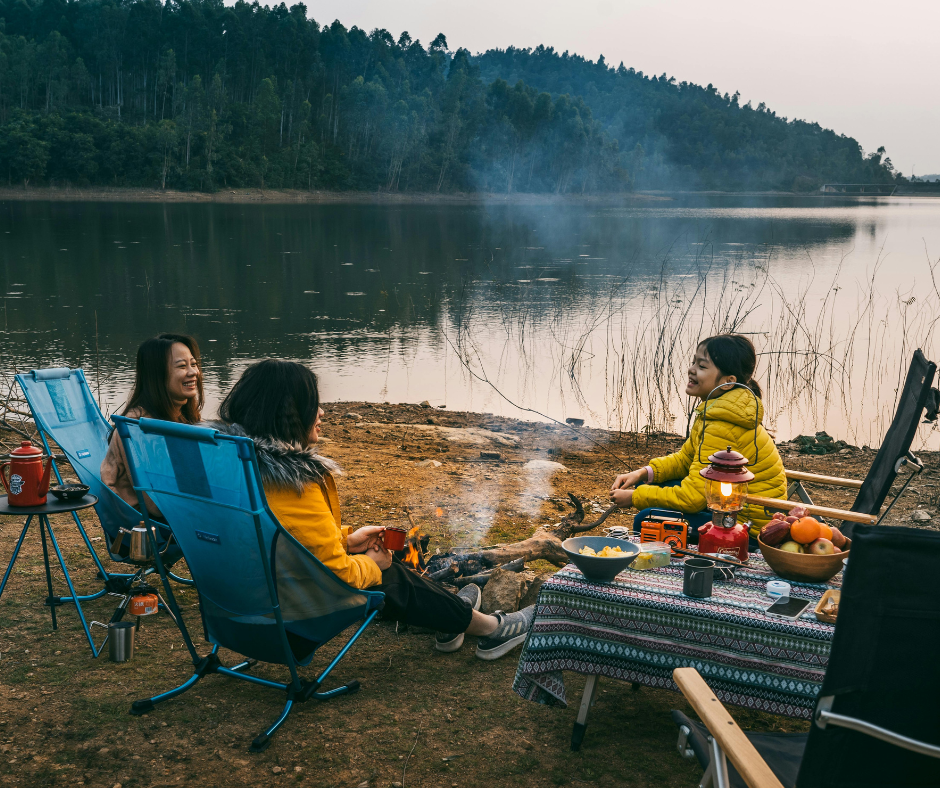
When you’re camping with kids, the "plan" should be more of a suggestion. If this is your first time, aim for a campground with a bathroom and a nearby water spigot. It takes the edge off while you’re still figuring out your flow.
Instead of a rigid itinerary, map out "wiggle room" stops along the way. Look for parks or rest areas where the kids can run for 15 minutes. Getting them involved by letting them pick the evening’s campfire snack helps them feel like they’re part of the adventure rather than just along for the ride.
Think "Ready-to-Grab" Packing
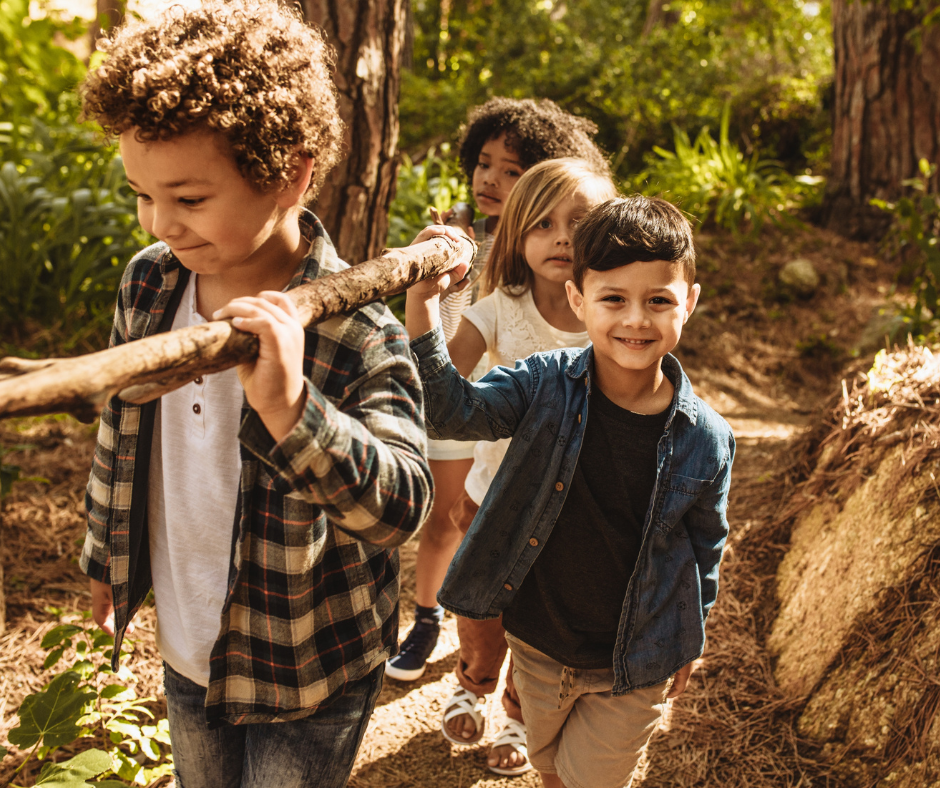
The biggest mistake people make is packing everything in giant, deep bins. You’ll inevitably end up dumping the whole thing out to find the matches.
- The "Grab Bag": Keep a small bag in the backseat (not the trunk) with wipes, a first-aid kit, snacks, and a few small toys.
- Clear Bins: Use smaller, clear containers labeled by category (Kitchen, Lights, Tools).
- Layering: Pack clothes by outfit or in packing cubes so you aren't searching for a matching pair of pajamas in the dark.
What's Your Sleeping Setup?
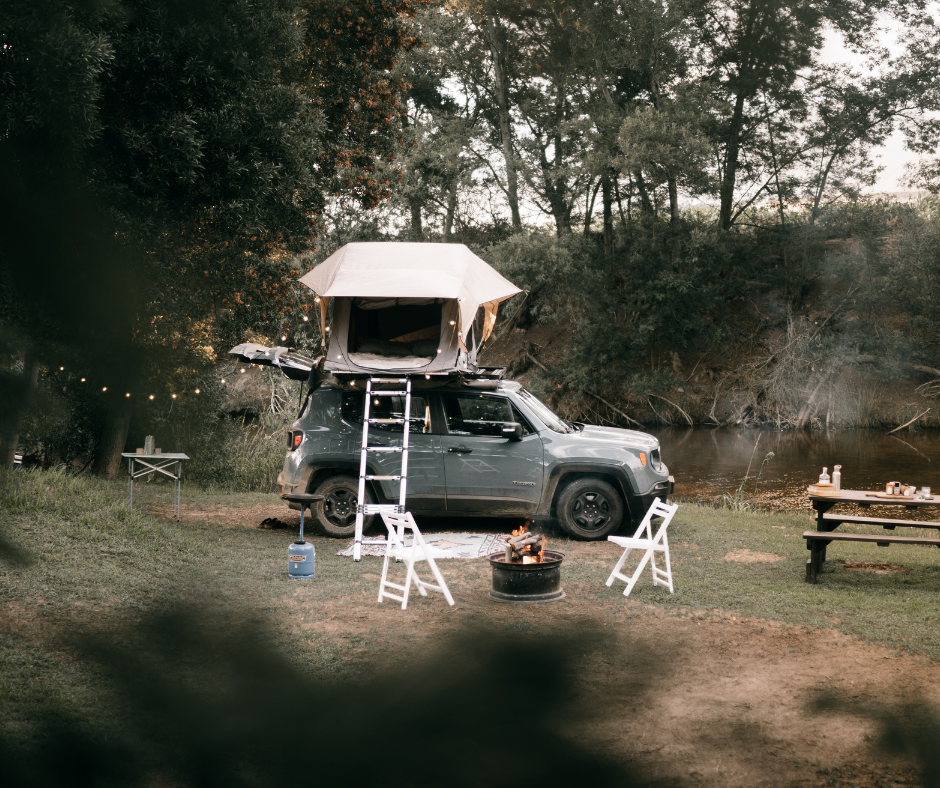
A bad night’s sleep is the fastest way to ruin a camping trip. If the kids are cranky because they were cold or uncomfortable, the next day will be a struggle. While traditional tents work, many families are switching to setups that get them off the ground.
This is where a rooftop tent becomes a game-changer. Brands like Roofnest have designed setups that pop up in under a minute. It keeps you away from muddy ground, uneven rocks, and the occasional Florida bug. Plus, there is a "treehouse" vibe that kids absolutely love. Having a built-in mattress and a sturdy, flat surface makes the evening routine feel much more like a bedroom and less like a survival exercise.
Simple Meals, Less Mess
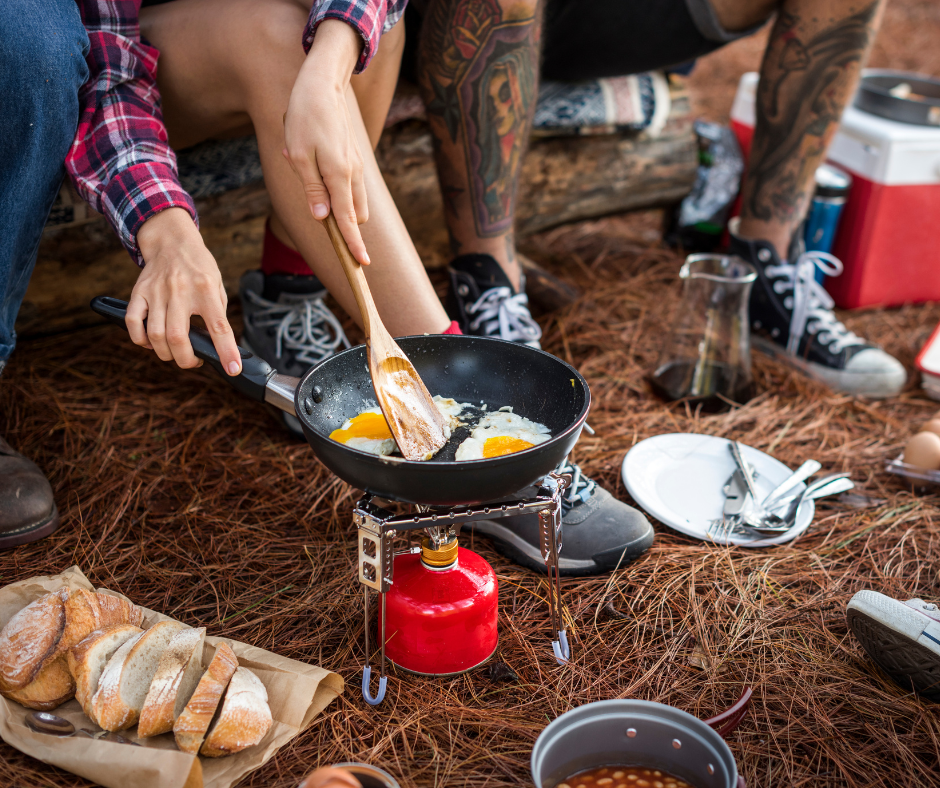
Don't try to cook a five-course meal on a single-burner stove. Pre-prep your camp food as much as you can at home.
- Pre-Chop: Slice your onions, peppers, and fruit before you leave.
- One-Pot Wonders: Think about meals like heavy-duty foil packets (potatoes, sausage, and corn) that can go right on the fire and require zero cleanup.
- The Snack Box: Give each child a small container with their own snacks for the day. It prevents the constant "I'm hungry" requests while you're trying to set up camp.
Prep for the "What-Ifs"
Even the best-planned trips will have a hiccup. Maybe a sudden rain shower rolls in or the temperature drops 10 degrees more than expected.
Pack a few "just in case" items: a deck of cards for rain delays, extra socks (always more than you think), and a power bank for your phone. Most importantly, keep a sense of humor. The "disasters"—like a burnt marshmallow or a missed turn—usually end up being the stories the kids tell for the next five years.
Focus on the Small Stuff
You don't need an expensive GPS or a mountain of gear to make memories. Often, the highlight of the trip is just sitting by the fire, looking at the stars, or taking a short walk through the woods. Whether you’re sticking to a classic ground tent, car camping, or sleeping in a cabin, the goal is to get outside and spend some time together away from the screens.