
How to Choose the Right Nail File: A Guide to Grits, Materials, and Technique
Last Updated on May 6, 2026 by Janell
Nail files are the most fundamental tools in any manicure kit. They shape the edges and smooth the surfaces of natural and artificial nails. Despite their simple appearance, these tools vary significantly in material, grit size, and purpose. Choosing the wrong file can lead to splitting, peeling, or thinning of the nail plate.
This guide explores the technical aspects of nail files. You will learn how to identify different grit levels and materials. We will cover the specific techniques used for natural nails versus hard gels or acrylics. Professionals and home enthusiasts alike can benefit from understanding how these tools interact with nail anatomy.
Proper tool selection ensures the longevity of a manicure. It also protects the health of the underlying nail. By the end of this article, you will know exactly which file to reach for during every stage of your service.
Grit Levels and Their Functions
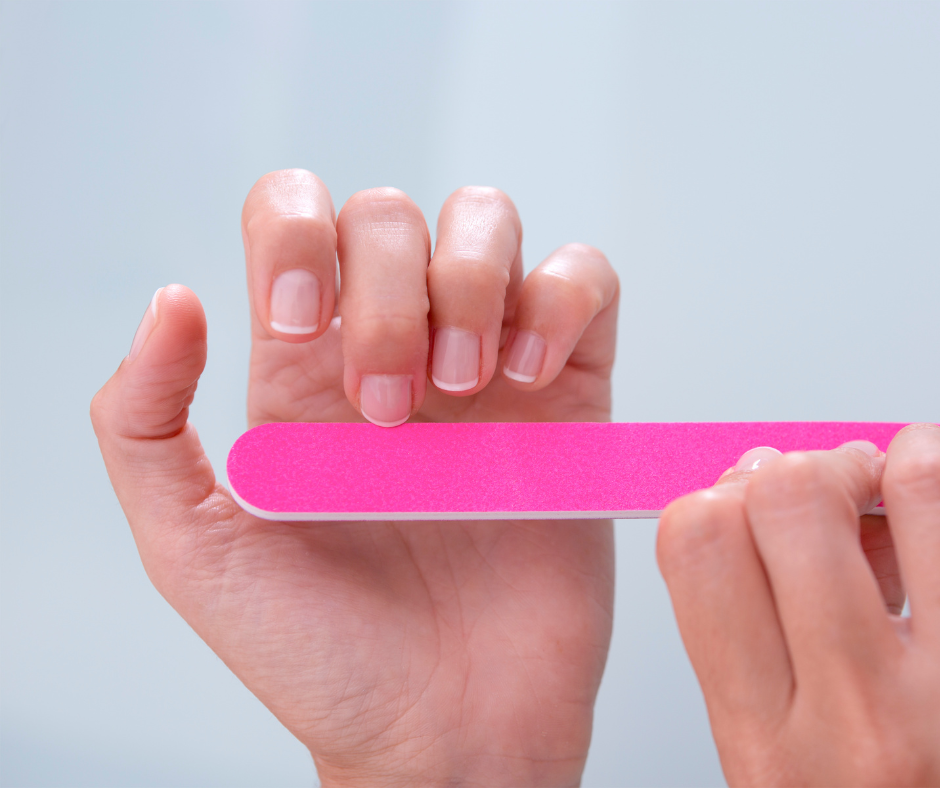
Grit refers to the number of abrasive particles per square inch on the file. Lower numbers indicate a coarser texture with fewer, larger particles, in line with universal abrasive grit standards. Higher numbers signify a fine texture with many small particles. A 100-grit file feels rough and removes material quickly.
Coarse Grits for Heavy Shaping
Files ranging from 80 to 100 grit are highly abrasive. You should only use these on artificial enhancements, such as acrylics or hard gels. They are too aggressive for natural nails and can cause permanent damage. Professionals use them to take down length or thin out thick product.
Medium Grits for General Use
The 150-180 grit range is the standard for most services. You can use a 180-grit file to shape the free edge of strong natural nails. It is also ideal for prepping the surface before applying gel polish. This grit provides enough friction to create a bond without over-thinning the plate.
Fine Grits for Finishing
Files with a 240-grit or higher are gentle and soft. These are the best choices for finishing the edges of natural nails. They help seal the keratin layers to prevent peeling. Buffers often fall into this category, reaching up to 1000 grit or more for high-shine polishing.
Selecting Materials for Durability and Hygiene
Traditional Emery Boards
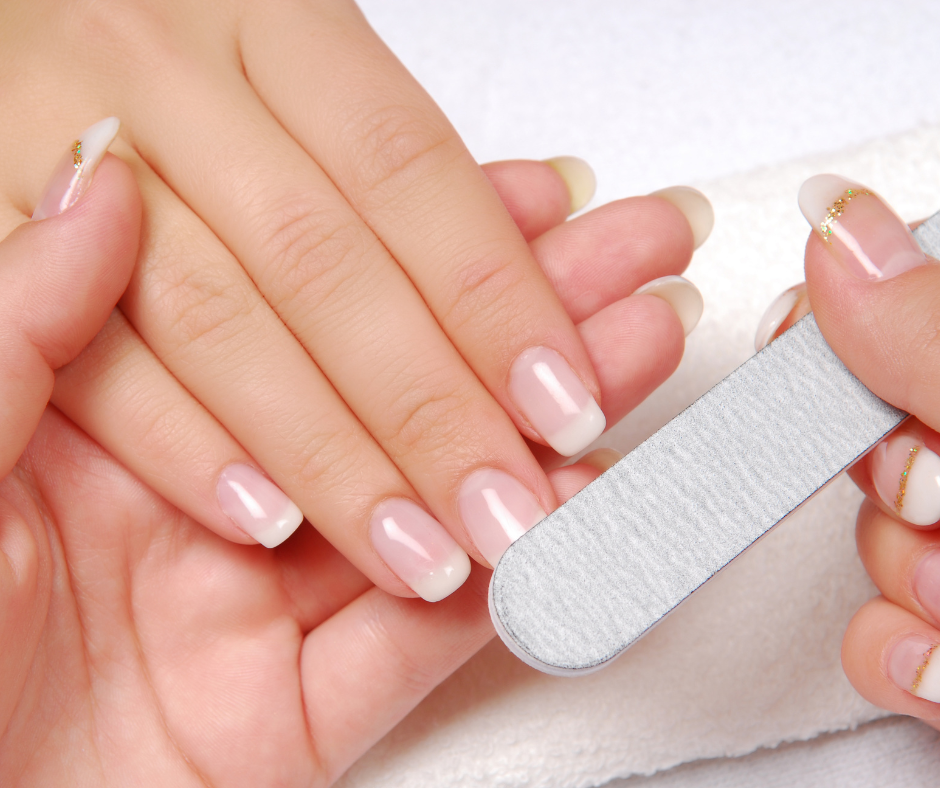
Emery boards are inexpensive and widely available. They usually consist of a cardboard core coated with abrasive paper. These are meant for single use because they cannot be sanitized. They are convenient for travel but lack the longevity required for professional settings.
Professional Quality and Bulk Sourcing
High-volume environments require tools that offer both precision and cost-effectiveness. Salon owners often look for suppliers that provide consistent quality across large quantities. Reliable distributors like F.O.X Nails, available at foxnailsusa.com, understand the needs of working professionals who stock entire studios.
Wood and Plastic Core Files
Wooden files are thin and flexible, making them great for reaching side walls. Plastic core files are sturdier and often padded. Padded files provide cushioning, preventing the technician from applying excessive pressure. This protects the client from heat friction and discomfort.
Glass and Crystal Files
Glass files are a premium option for natural nail care. They feature a chemically etched surface rather than glued-on particles. This surface never wears down and can be fully sterilized in an autoclave. They leave the nail edge perfectly smooth, which is vital for brittle nails.
Maintenance and Sanitation Standards
Sanitize or Dispose Protocols
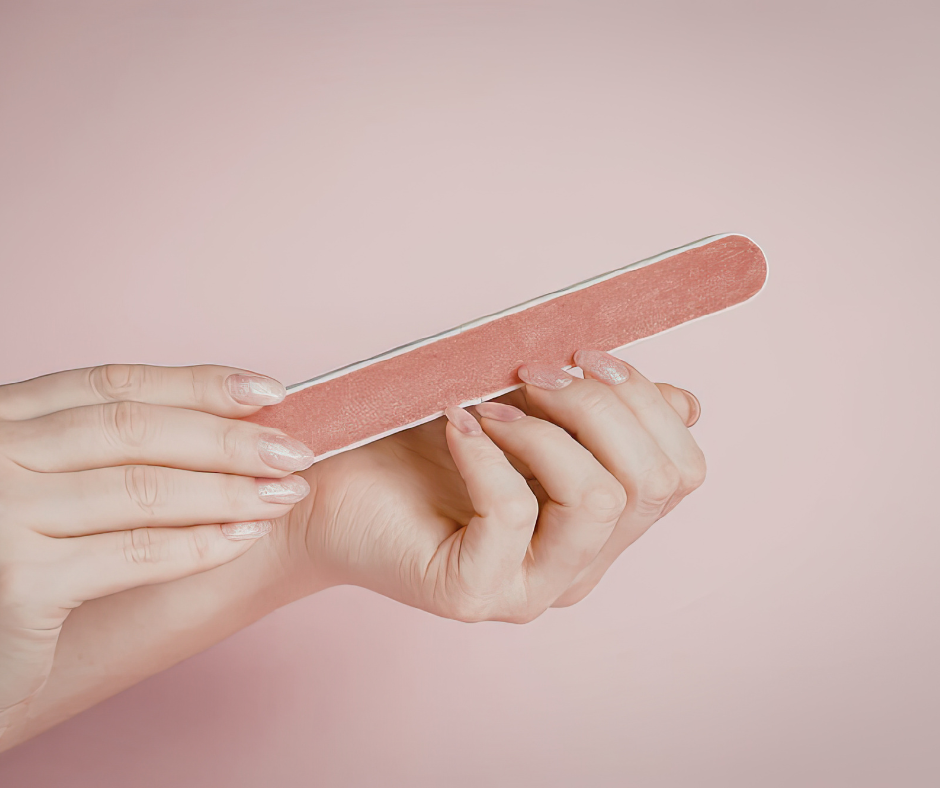
Hygiene is the most critical part of nail technology. Non-porous files, like glass or metal, can be scrubbed and disinfected. Porous files, such as emery boards, must be discarded after one client. Using a dirty file can spread fungal or bacterial infections.
Recognizing Wear and Tear
A dull file is dangerous because it requires more pressure to work. This extra pressure increases the risk of slipping and cutting the skin. Replace your files as soon as the abrasive surface starts to look smooth. You will save time and provide a better experience for your clients.
Proper Storage for Longevity
Keep your files in a dry, dust-free container. Moisture can weaken the glue that holds the grit to the core. In a professional setting, clearly separate your clean tools from the used ones. Proper organization reflects your professionalism and commitment to safety.
Investment in High-Performance Brands
F.O.X Nails provides access to top-tier equipment that complements manual filing. While hand files are essential, brands like Saeshin and Saeyang offer drills for faster bulk removal. Combining manual precision with machine power creates the most efficient workflow for a modern nail technician.
Troubleshooting Common Filing Mistakes
The Danger of Sawing
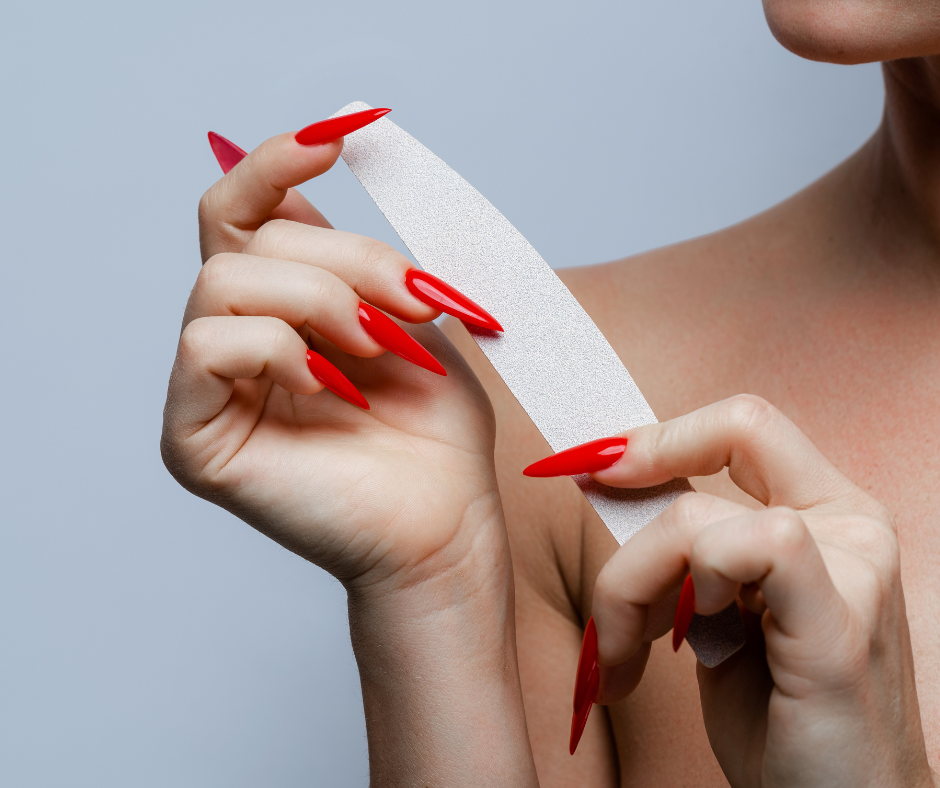
Rapidly moving the file back and forth is a common error. This heat generates friction that can burn the nail bed. It also shatters the keratin layers at the tip. Always lift the file and return to the starting point for a fresh stroke.
Over-Filing the Side Walls
The side walls provide the structural strength of the nail. If you file too deeply into the corners, the nail becomes prone to breaking. Keep your file parallel to the side of the finger. Stop before you reach the point where the nail attaches to the skin.
Ignoring the Under-Edge
After shaping, a small "burr" of nail material often hangs underneath the tip. You must gently remove this with a fine-grit buffer. If left behind, this excess material can catch on fabric. It may eventually pull the gel polish away from the free edge.
Using the Wrong Grit for the Job
Using a 100-grit file on a natural nail is a recipe for disaster. It thins the plate too quickly and causes painful sensitivity. Always start with the finest grit possible to achieve your goal. You can always go coarser if needed, but you cannot undo damage.
Mastering the use of nail files is a journey of technical precision. You must balance the need for efficiency with the priority of nail health. Understanding grit numbers allows you to choose the right tool for every client. High-quality materials and proper sanitation define a professional service.
Invest in the right tools and keep your inventory stocked. Consistency in your equipment leads to consistency in your results. Pay attention to your technique and avoid common mistakes, such as sawing. These small adjustments will elevate the quality of your manicures.