
5 Essential Things to Do When Doing Plastic Recycling
Last Updated on December 23, 2024 by Janell
Recycling plastic is a great way to help the environment, but it’s not always as straightforward as tossing items into a bin. Knowing the right steps can make a big difference in ensuring your efforts are effective and truly beneficial for the planet. This article will cover five essential things to do when handling Plastic Recycling.
1. Learn the Recycling Symbols
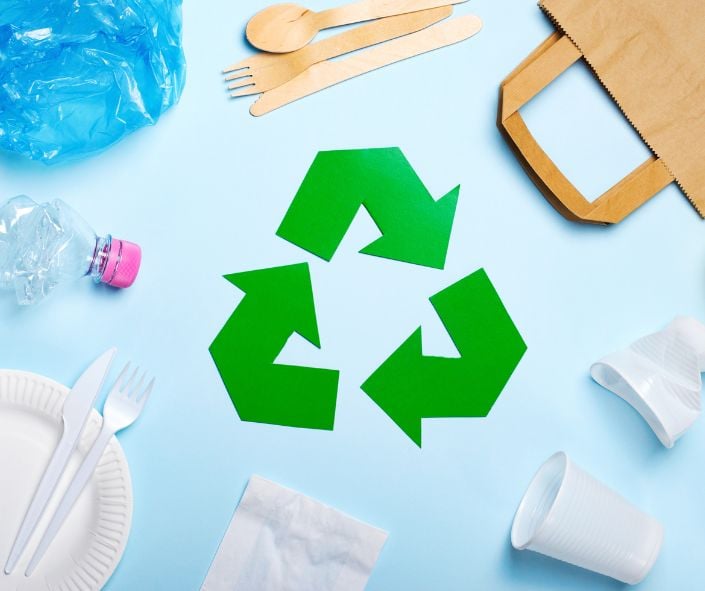
The type of plastic and whether or not it can be recycled are indicated by the recycling symbols found on plastic containers. Search for the symbol that looks like a triangle and contains numbers that range from one to seven.
Each of the numbers represents one type of plastic, such as PET (1) or HDPE (2). Knowing these symbols helps you identify recyclable items and avoid putting non-recyclable plastics in your recycling bin. If you're unsure about a symbol, check your local guidelines.
2. Know What’s Accepted Locally
There are some types of plastics that might not be accepted by recycling centers in your area. Some facilities only take certain types, like bottles and containers, while others might recycle bags or films.
Find out what is permitted by conducting research on the recycling program in your area. This prevents contamination, which can ruin a batch of recyclables. It is important to ensure that your actions positively impact the environment by adhering to the local rules.
3. Preparing Plastics for Recycling
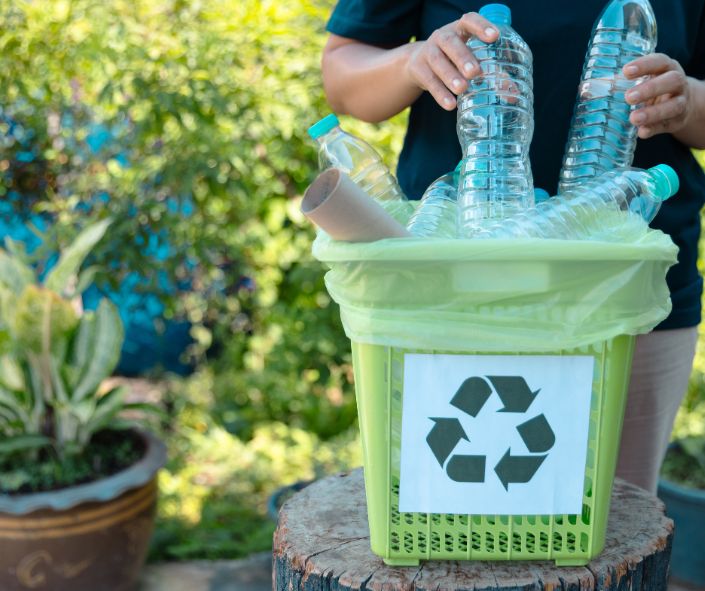
In order to remove any traces of food or liquid, plastic items should continuously be rinsed. It is much simpler to process items that are clean and will not attract pests.
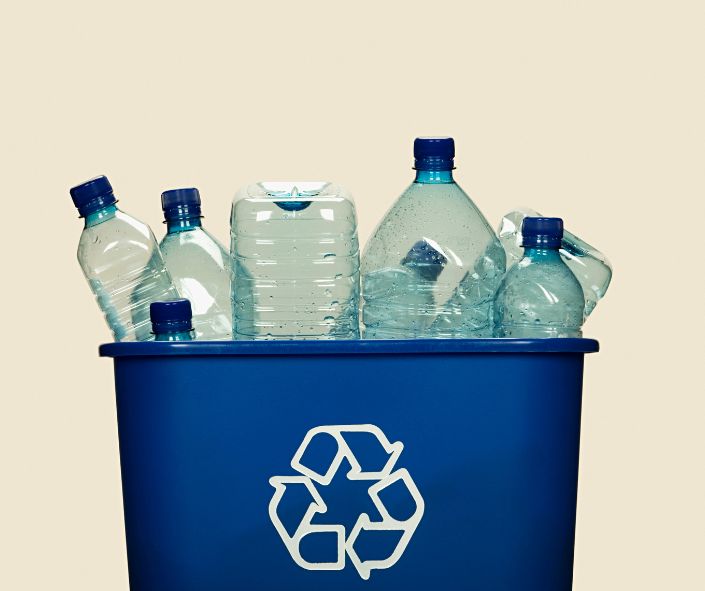
Crush bottles to save space, but make sure to leave the caps on if the facility you are using is willing to accept them. Properly prepared plastics are more likely to be successfully recycled, making your efforts worthwhile.
4. Sort Plastics by Type
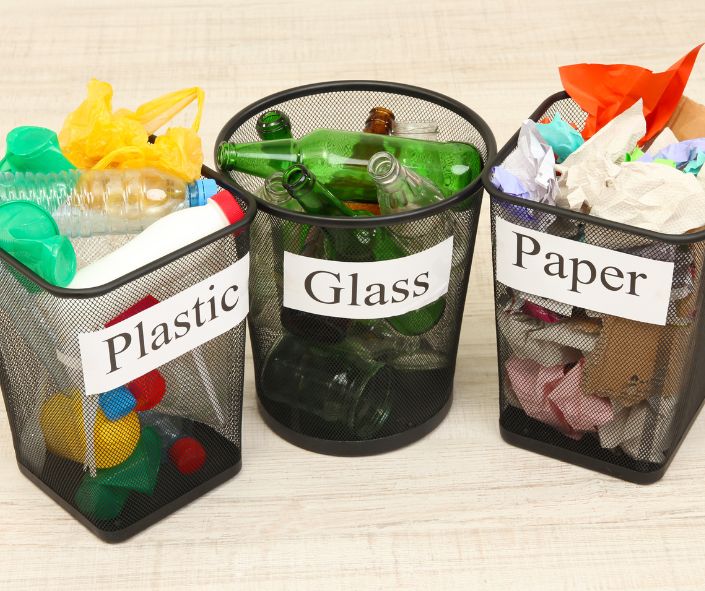
Before recycling, sorting plastics according to their type helps reduce the amount of work that needs to be done at recycling centers. Always store plastics that are similar together, such as bottles with other bottles or bags with other bags.
Considering that this step is required by some centers, it is important to check. Sorting makes recycling faster and more efficient.
5. Store in a Cool, Dry Place
Until the day of collection, make sure that your recyclables are stored in a cool and dry location. Avoid leaving them in direct sunlight or damp spaces, as heat and moisture can degrade the plastic. Proper storage keeps the plastics in good condition, making them easier to recycle. This simple step ensures your recycling efforts are effective.
Encourage Your Community Today!
By encouraging your community to adopt better plastic recycling, you can help create a cleaner, more sustainable future for everyone. Small efforts, when multiplied, can lead to big changes. Start spreading the word today and inspire others to make a difference – you can make a lasting impact on the environment!