
Simple Car Maintenance Tips That Save Big Money
Last Updated on April 8, 2025 by Janell
In an era where automotive repair costs continue to escalate, mastering essential DIY car maintenance has become more crucial than ever for vehicle owners seeking to protect their investments.
Understanding fundamental maintenance procedures and implementing basic security measures can significantly reduce the likelihood of expensive repairs while extending your vehicle's lifespan.
By adopting a proactive approach to car maintenance, from routine tire care to essential security installations, owners can develop the confidence and skills necessary to handle many common automotive issues independently.

Tire Replacement and Alignment Essentials
Regular tire maintenance directly impacts vehicle performance, with proper tire care extending their lifespan. Understanding the basics of tire replacement starts with a visual inspection. Check for uneven wear patterns, sidewall damage, and adequate tread depth using the penny test.
While storing your vehicle outdoors, using high-quality tire covers helps shield tires from harmful UV rays and extreme weather conditions, significantly reducing deterioration rates.
Here are essential steps for a successful DIY tire replacement:
- Park on a level surface and use wheel chocks for safety
- Loosen lug nuts before lifting the vehicle with a jack
- Remove the old tire and inspect the wheel hub for damage
- Mount the new tire, ensuring proper alignment with the hub
- Cross-tighten lug nuts in a star pattern for even pressure
Tire rotation plays a vital role in maintaining even tread wear. A standard rotation pattern moves front tires to the opposite rear positions while rear tires move forward on the same side. This practice helps achieve optimal tread longevity and should be performed every 5,000 to 8,000 miles.
Professional alignment services might still be necessary if you notice your vehicle pulling to one side or experiencing steering wheel vibrations. However, regular DIY tire maintenance and proper storage techniques can significantly reduce the frequency of costly professional interventions.
| Expert Tip: For increased precision during tire changes, use a torque wrench to finalize lug nut tightening — this helps avoid warping brake rotors or under-tightening, which can lead to wheel issues over time. |

Protecting Your Vehicle with Basic Security Tools
Smart security measures can significantly reduce the risk of car theft and protect your valuable investment. Implementing basic security tools paired with good practices creates a strong defense against potential threats.
Learning about car security mechanisms helps vehicle owners understand potential vulnerabilities. A practical approach includes exploring how a beginner-friendly lock pick set can demonstrate weak points in automotive locks, enabling informed decisions about security upgrades. This knowledge proves invaluable for identifying and addressing potential security gaps in your vehicle.
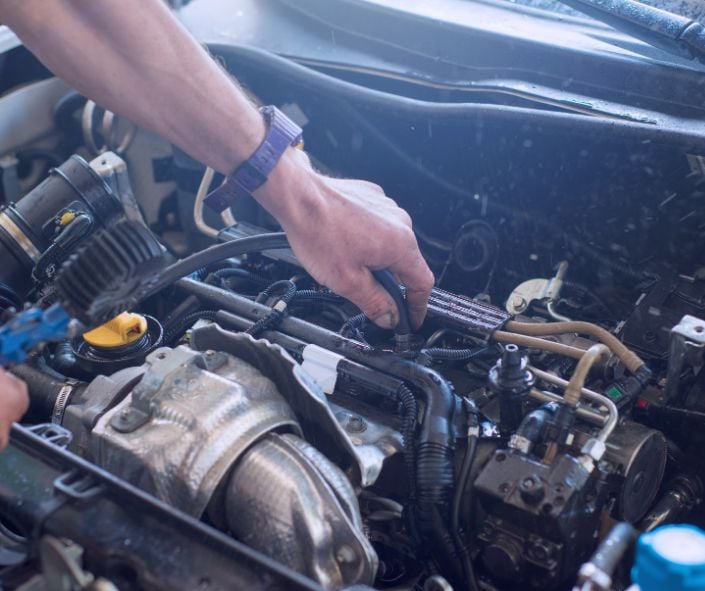
Essential Security Tools and Strategies
Here are essential security tools and strategies that every car owner should consider:
- Steering wheel locks that serve as visible deterrents
- GPS tracking devices for real-time location monitoring
- Kill switches to disable the ignition system
- Advanced key fobs with encrypted signals
- Motion sensor alarms with smartphone connectivity
Modern automotive security extends beyond traditional mechanical devices. Digital solutions now complement physical security measures, creating multiple layers of protection. Installing bright LED lights in parking areas and maintaining clear sightlines around your vehicle further enhance these security measures.
Regular maintenance of security tools ensures their optimal performance. Testing alarm systems monthly, checking battery levels in electronic devices, and inspecting physical locks for wear can prevent security failures.
These simple steps, combined with the awareness of your surroundings, form a comprehensive approach to protecting your vehicle.
| To Do: Perform a full walkthrough of your car’s current security setup this week and note any outdated or missing protective measures to address proactively. |
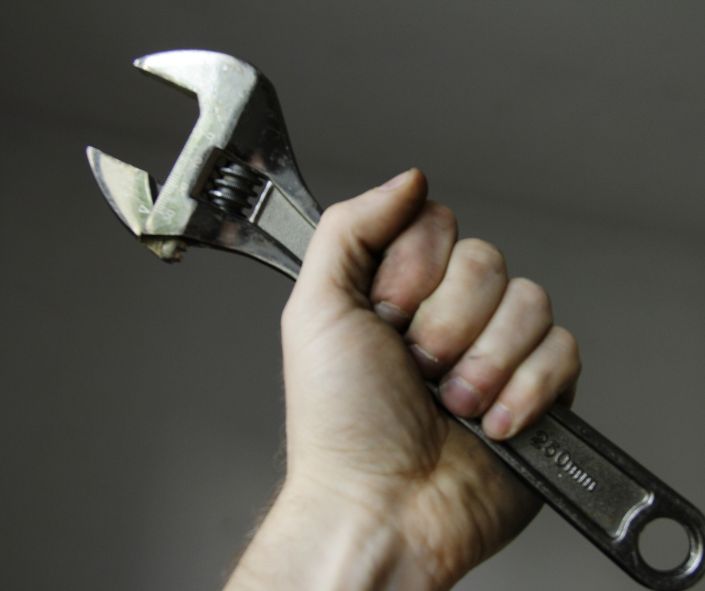
DIY Tasks to Slash Repair Bills
Regular car maintenance through simple DIY tasks has proven to save vehicle owners substantial money, with proper upkeep reducing the $375 average repair cost typically faced by car owners. These maintenance activities extend beyond mere cost savings, as they help maintain the vehicle's performance and longevity.
Many car repairs require minimal technical expertise and basic tools, making them accessible to most car owners. By performing routine maintenance tasks at home, vehicle owners can identify potential issues early and prevent them from developing into major problems that demand professional intervention.
Essential DIY Maintenance Tasks
Here are essential DIY maintenance tasks that can help reduce repair expenses:
| DIY Maintenance Tasks | Description |
| Regular oil changes | Follow manufacturer's recommended grade and schedule |
| Brake pad inspection and replacement | Replace pads before they wear completely |
| Air filter replacement | Every 15,000-30,000 miles |
| Spark plug checks and changes | Change according to vehicle specifications |
| Battery terminal cleaning and connection tightening | Keep terminals clean and connections tight |
Understanding these basic maintenance procedures allows car owners to take control of their vehicle's health. While some repairs necessitate professional attention, many common issues can be addressed through preventive DIY care.
Tools needed for these tasks are relatively inexpensive and serve as a worthwhile investment considering the potential savings in repair costs.
| Bonus: Keep a basic vehicle log where you record maintenance dates, mileage, and parts replaced—this simple habit can help spot patterns, track wear, and avoid missed upkeep that leads to bigger problems later. |
Financial Planning for Long-term Auto Maintenance
Setting up a dedicated maintenance fund helps car owners handle these ongoing expenses while preventing major mechanical failures that could lead to expensive repairs. For more detailed insights, you can explore more about annual ownership costs.
Creating a comprehensive budget for vehicle upkeep requires careful consideration of various maintenance elements and projected repair costs. Smart financial planning can help extend a vehicle's lifespan while maintaining its resale value.
Implementing preventive maintenance schedules and setting aside funds for regular servicing creates a buffer against unexpected repairs.
Essential Components for Your Auto Maintenance Budget
- Monthly savings allocation for routine services like oil changes, tire rotations, and brake maintenance
- Emergency fund specifically for unexpected repairs
- Annual inspection and registration fees
- Replacement costs for wear items like tires, batteries, and filters
- Insurance premiums and deductibles
Professional mechanics recommend saving 1.5 cents per mile driven to cover basic maintenance needs. This calculation helps determine appropriate monthly contributions to your vehicle maintenance fund. Setting up automatic transfers to a dedicated savings account ensures consistent funding for both scheduled services and unforeseen repairs.
Tracking maintenance expenses through digital apps or spreadsheets provides valuable data for future budgeting adjustments and helps identify potential cost-saving opportunities.
| Why This Matters: Without a solid financial strategy for auto maintenance, minor issues can snowball into major expenses that destabilize household budgets. Proactively managing maintenance costs helps protect both your vehicle and your financial well-being over the long term. |
Regular vehicle maintenance through DIY methods represents a significant opportunity for car owners to reduce repair costs while maintaining optimal performance and longevity of their vehicles.
Basic maintenance tasks, from tire care to security upgrades, when combined with proper financial planning, can prevent minor issues from escalating into major mechanical failures.
The integration of both traditional mechanical maintenance and modern digital solutions demonstrates how vehicle care has evolved, requiring owners to adapt their maintenance strategies accordingly.
While some repairs will always necessitate professional intervention, mastering these fundamental DIY skills and maintaining a dedicated maintenance fund can result in substantial long-term savings and enhanced vehicle reliability.