
How Doze Bedding Simplifies Bed-Making
Last Updated on April 19, 2026 by Janell
In the competitive bedding market, product differentiation often centers on material quality, thread count, and aesthetic appeal. Doze Bedding, based in Boca Raton, South Florida, has taken a different approach.
The company focuses on functionality, specifically addressing a widely acknowledged household frustration: changing a duvet cover. By introducing a patent-pending system designed to reduce effort and time, the brand positions itself at the intersection of convenience, accessibility, and design.
Industry recognition has contributed to the brand’s visibility. Its duvet products received the 2025 Good Housekeeping Best Bedding Award and were named among Time Magazine’s best comforters in March 2024. The company has also been featured on national television programs and in publications such as Travel + Leisure and Yahoo, indicating growing awareness within both consumer and media spaces.
Patent-Pending Quick-Change System Addresses a Common Household Task
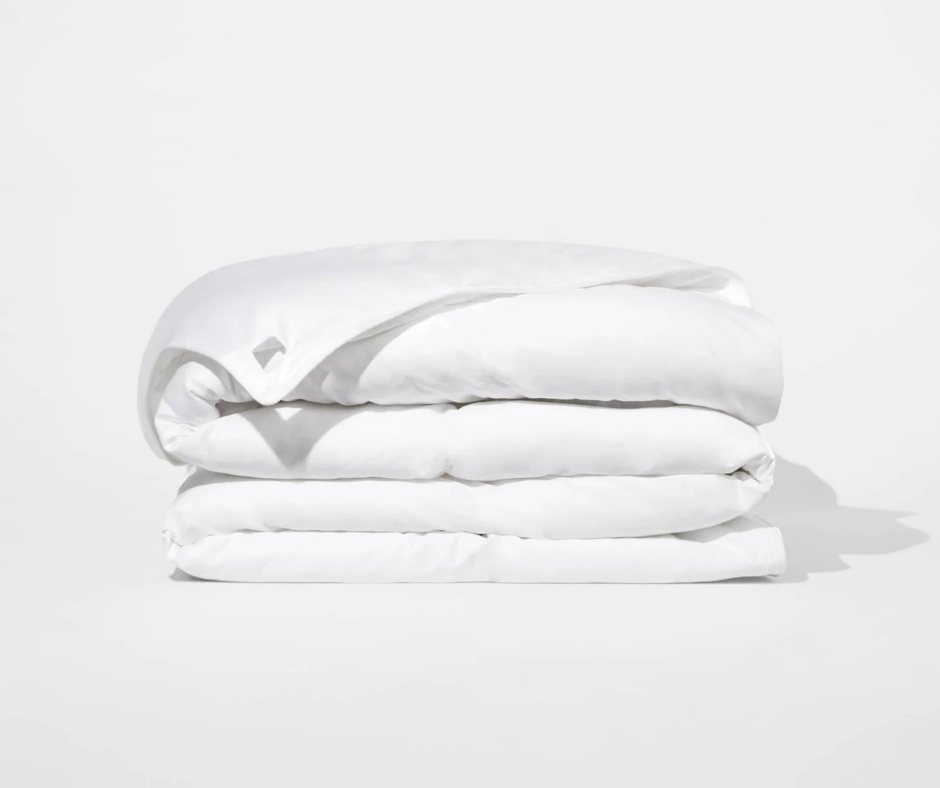
At the center of Doze Bedding’s product line is its patented duvet system, which reimagines how duvet covers are used. Traditional covers often involve narrow openings and internal ties, making the process time-consuming and physically awkward. The company’s alternative introduces several functional features:
- A three-sided zipper that allows the cover to open fully, similar to a book
- A snap corner system that secures the insert through pre-designed openings
- A zip-to-close mechanism that replaces buttons or ties
These elements work together to reduce the steps involved in assembling a bed. According to product descriptions, the system is designed to keep the insert “locked in place,” preventing the bunching that commonly occurs with standard duvets.
This focus on functionality aligns with expert perspectives on bedding. Dr. Shelby Harris, a licensed clinical psychologist and sleep specialist, notes that bedding plays a role not only in comfort but also in overall sleep quality. She explains that materials and design should support the body’s natural cooling process during sleep. In this context, a system that maintains even distribution of the insert may contribute to a more consistent sleep environment.
For further details on the system and its design approach, see https://www.dozebedding.com/.
Luxury Materials Positioned Within a Value-Oriented Bundle Model
While functionality is a defining feature, Doze Bedding also emphasizes material quality. The company describes its products as using high-end cotton comparable to luxury bedding brands, with options in both percale and sateen weaves. These materials cater to different preferences:
- Percale: Designed for breathability and a cooler feel, often preferred by “hot sleepers”
- Sateen: Known for a smoother texture and a softer finish
Dr. Harris has also commented on the limitations of relying solely on thread count as a measure of quality. She explains that higher thread counts can sometimes reduce breathability, which may negatively affect sleep. This perspective supports a broader industry trend toward evaluating fabric performance rather than focusing on a single metric.
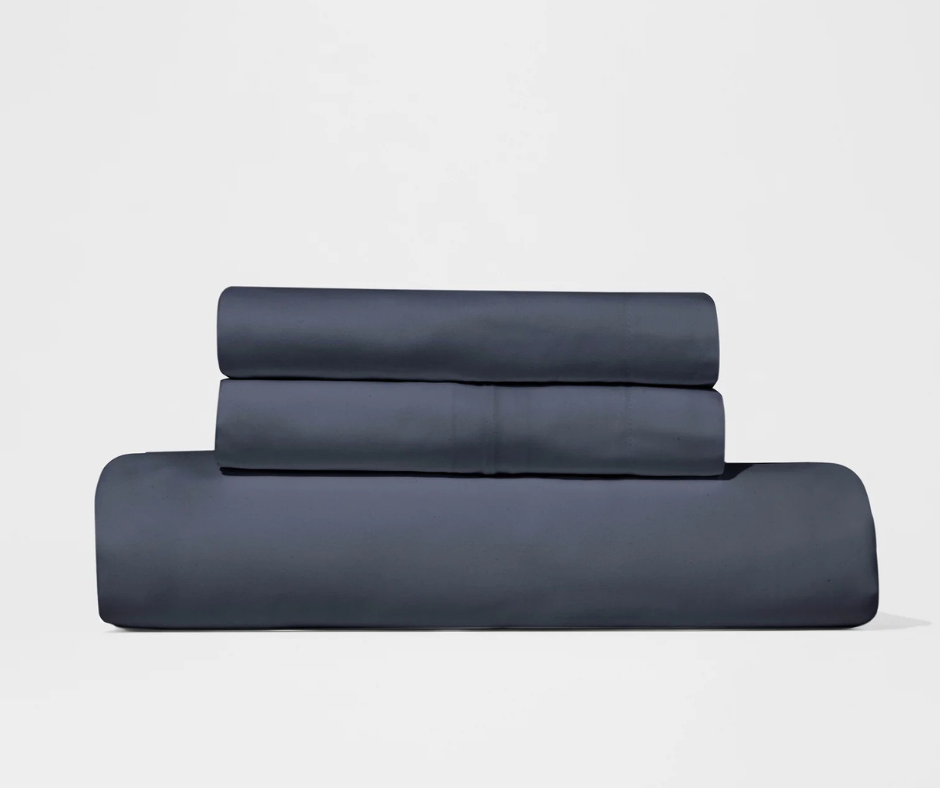
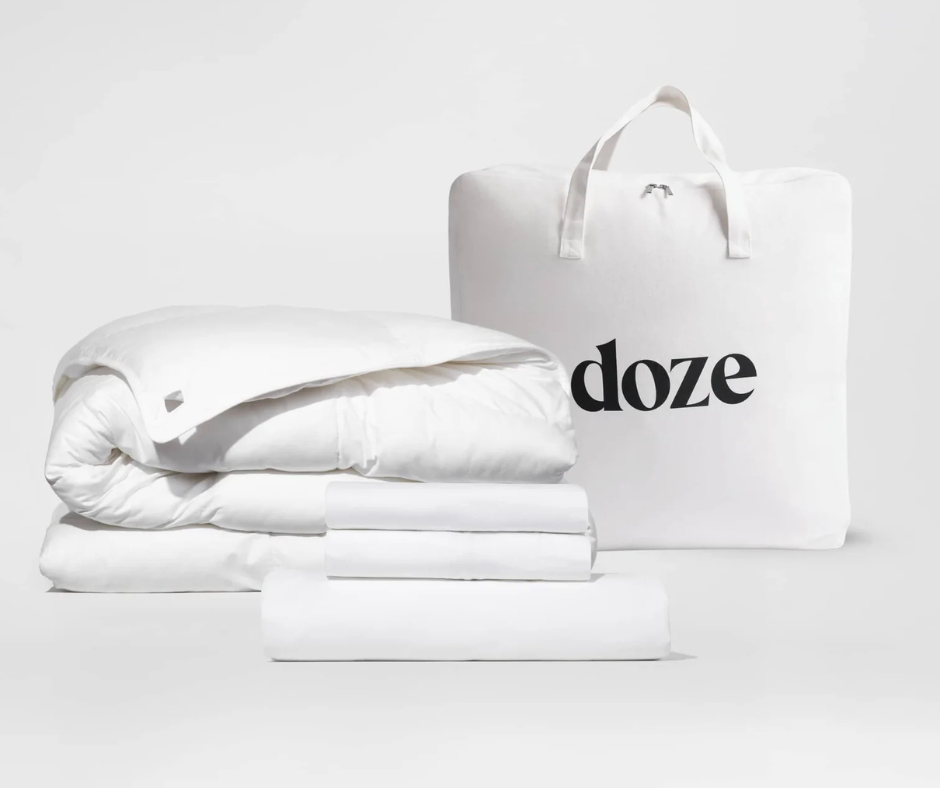
Doze Bedding packages many of its products into bundles, combining duvet covers, inserts, sheets, and pillowcases. This approach allows customers to purchase a coordinated set rather than individual components. The company positions these bundles as offering comparable quality at a lower combined cost than purchasing similar items separately.
From an environmental psychology standpoint, the visual and tactile consistency of a bedding set may also influence relaxation. Research cited in a 2026 Kunstplaza report suggests that a well-organized and harmonious bedroom environment can promote a sense of calm, while disorder may have the opposite effect.
Ergonomic Design Expands Accessibility for Diverse Users
A notable aspect of Doze Bedding’s positioning is its focus on accessibility. The Quick-Change system reduces the need for bending, lifting, and handling small fasteners, which can be challenging for certain populations. The design is particularly relevant for:
- Older adults with limited mobility
- Individuals with back pain or joint issues
- Users with reduced dexterity
By replacing ties and buttons with zippers and snaps, the system simplifies the physical process of bed-making. This aligns with broader trends in product design that prioritize inclusivity and ease of use.
The Sleep Charity has highlighted the importance of bedding that supports proper alignment. According to the organization, covers that drape smoothly and remain in place can help maintain spinal alignment. A system that prevents shifting or bunching may therefore contribute to physical comfort beyond convenience.
The company has indicated interest in pursuing certifications related to accessibility, such as those associated with aging populations. While such certifications are not yet confirmed, the design itself reflects a response to a growing demographic need.
Efficiency Gains for Hospitality and Rental Markets
Beyond individual consumers, Doze Bedding targets commercial users, including short-term rental hosts and hospitality professionals. In these settings, efficiency and consistency are critical. High turnover rates require bedding that can be changed quickly and reliably.
The Quick-Change system offers potential advantages in this context:
- Reduced time required for bed turnover
- Lower physical strain on housekeeping staff
- Improved consistency in bed presentation
Additionally, the system’s ability to keep inserts fully enclosed may improve the guest experience. A duvet that remains properly positioned can contribute to both comfort and perceived cleanliness, factors that are increasingly important in customer reviews.
Integrated Hygiene Features Reflect “Clean Sleep” Trends
Hygiene has become a more prominent consideration in bedding design, particularly in the context of the “clean sleep” movement. Experts cited in a Los Angeles Times feature note that bedding can accumulate bacteria, allergens, and dead skin cells over time. As a result, ease of cleaning and full coverage are key considerations.
Doze Bedding incorporates these principles into several product features:
- Full-zip pillowcases that fully encase pillows
- Machine-washable materials across all product categories
- Fitted flat sheets designed for secure placement
These features aim to reduce exposure to contaminants and simplify regular cleaning routines. The inclusion of accessories such as wool dryer balls and fabric swatches further supports the maintenance and selection process.
From a design perspective, the integration of these elements across the product line reflects a consistent approach. Rather than treating hygiene as a secondary feature, the company incorporates it into the structure of each item.
Doze Bedding represents a shift in how bedding products are conceptualized and marketed. By focusing on usability, accessibility, and efficiency, the company addresses practical challenges that have long been accepted as part of routine household tasks. Its patented system, combined with material quality and bundled offerings, positions the brand within a growing segment of function-driven home goods.
Industry recognition and expert commentary provide context for its approach, particularly in relation to sleep quality, ergonomics, and hygiene. As consumer expectations continue to evolve, products that combine comfort with practical innovation may gain increased attention. The company’s emphasis on simplifying bed-making reflects a broader trend toward designing everyday items that reduce effort and improve user experience.