
How to Maintain Your Tires for Safety, Longevity, and Better Performance
Last Updated on August 4, 2026 by Janell
Why Tire Maintenance Matters
Many drivers keep a basic set of tire accessories on hand — a pressure gauge, portable compressor, or repair kit — to support routine checks and handle minor roadside situations. This guide walks through what to inspect, why it matters, and which tools can help you stay ahead of common tire problems before they become serious ones.
Tires degrade gradually, which means problems often go unnoticed until they start affecting handling — or cause an outright failure. Underinflation increases rolling resistance and generates excess heat. Worn tread loses its grip on wet or loose surfaces.
Irregular wear patterns can signal alignment or rotation issues that quietly compound over time. The point is that maintenance works best when it's preventive rather than reactive.
Small, consistent checks — pressure, tread depth, and a quick visual scan — can prevent far larger and more costly problems down the road.
The Essentials of Tire Care
Check Tire Pressure Regularly
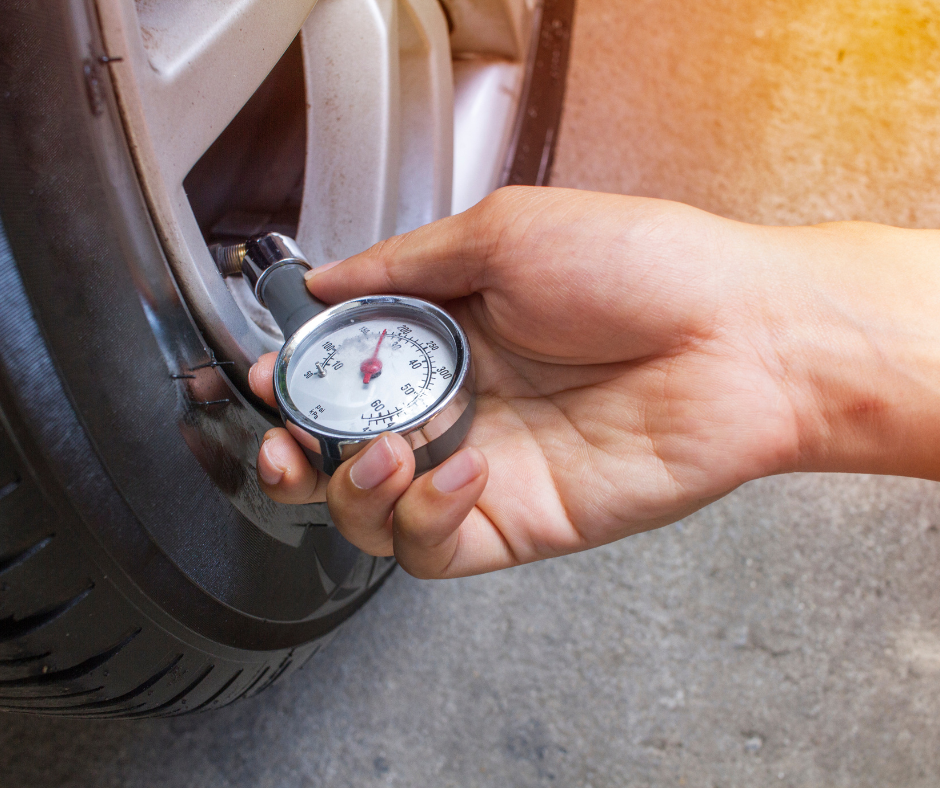
Getting inflation right is one of the highest-impact habits a driver can develop. Follow the recommended tire pressure listed in your vehicle's owner manual or on the sticker inside the driver's door — not the maximum pressure stamped on the tire sidewall, which is a different figure entirely. Pressure should always be checked when the tires are cold, before you've driven anywhere. Don't forget the spare, either — a flat spare in an emergency is about as useful as not having one at all.
Inspect Tread Depth and Wear Patterns
Tread channels water away from the contact patch, which is what keeps you from hydroplaning on a wet road. Treadwear indicators — small raised bars molded directly into the grooves — become flush with the tread surface when the tire has reached the end of its safe life.
A penny test (inserting a coin into the groove to gauge remaining depth) offers a quick visual check between more formal inspections. Uneven wear across the tire's width is worth paying attention to, as it often points to inflation or alignment issues that deserve a closer look.
Rotate Tires at the Right Interval
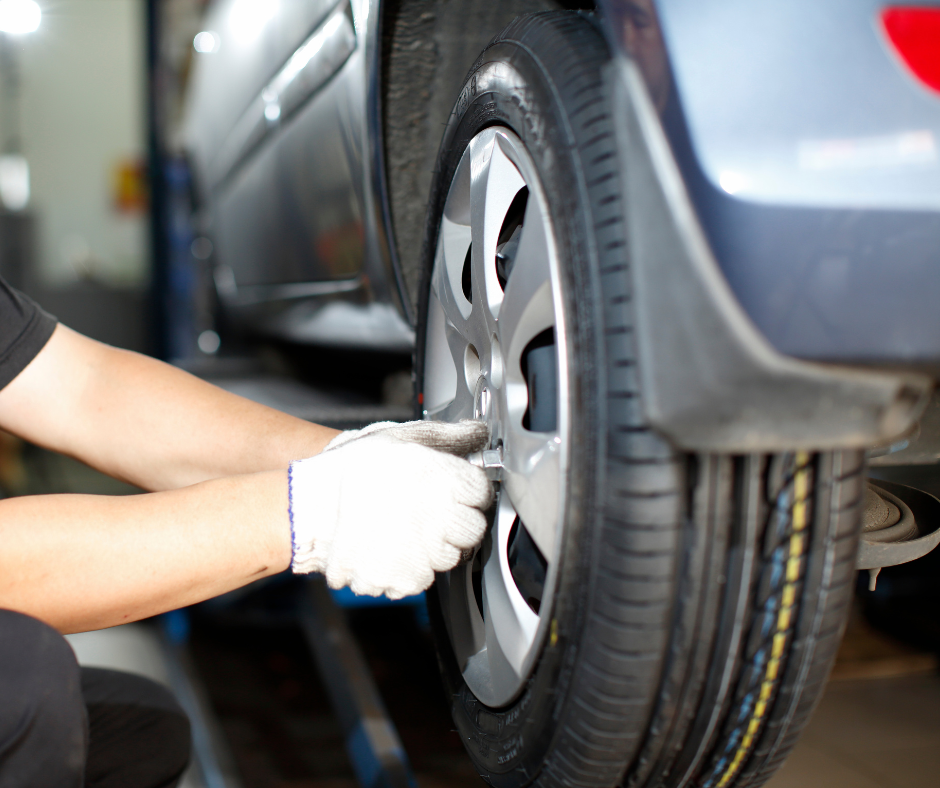
Tire rotation redistributes wear more evenly across all four positions. On front-wheel-drive vehicles, the front tires handle both steering and power delivery, so they wear faster than the rears. Following your vehicle manufacturer's recommended rotation interval — typically every several thousand miles — helps extend the usable life of the full set and keeps wear consistent across all four corners.
Inspect Sidewalls and Visible Damage
Sidewall damage is a more serious concern than tread wear, because unlike a tread puncture, sidewall damage cannot be safely repaired. Look for cracks, bulges, cuts, or anything embedded in the rubber. If something looks off, a professional inspection is the right call — this isn't an area where guesswork pays off.
Helpful Tools for Routine Checks and Emergencies
A portable air compressor, a tread depth gauge, and a reliable tire pressure gauge cover the vast majority of routine maintenance needs. For emergencies, a solid baseline kit includes a spare tire, jack, lug wrench, inflator kit, warning triangles, and a flashlight.
The most useful emergency kit is one you know how to use before you actually need it.
Repair kits are appropriate only for minor punctures in the tread area — they're not suitable for sidewall damage, large punctures, or situations where the tire has lost significant air while the vehicle was in motion.
Seasonal and Driving-Condition Considerations
Temperature swings affect tire pressure in predictable ways: cold air causes pressure to drop, while heat causes it to rise. Seasonal tire checks before winter weather arrives, before a summer road trip, or ahead of a period of heavy towing help ensure your tires are properly prepared for changing demands. Vehicle load also plays a role in wear rate, so tires on vehicles that regularly carry heavy cargo deserve closer and more frequent attention.
Common Tire Maintenance Mistakes
- Overinflating or underinflating based on guesswork rather than an actual gauge
- Forgetting to check the spare tire's condition and pressure until it's too late
- Ignoring uneven wear patterns that are pointing to a deeper mechanical issue
- Waiting to rotate until wear is already well advanced
- Relying on a visual once-over without verifying pressure with a gauge
When to Replace Tires
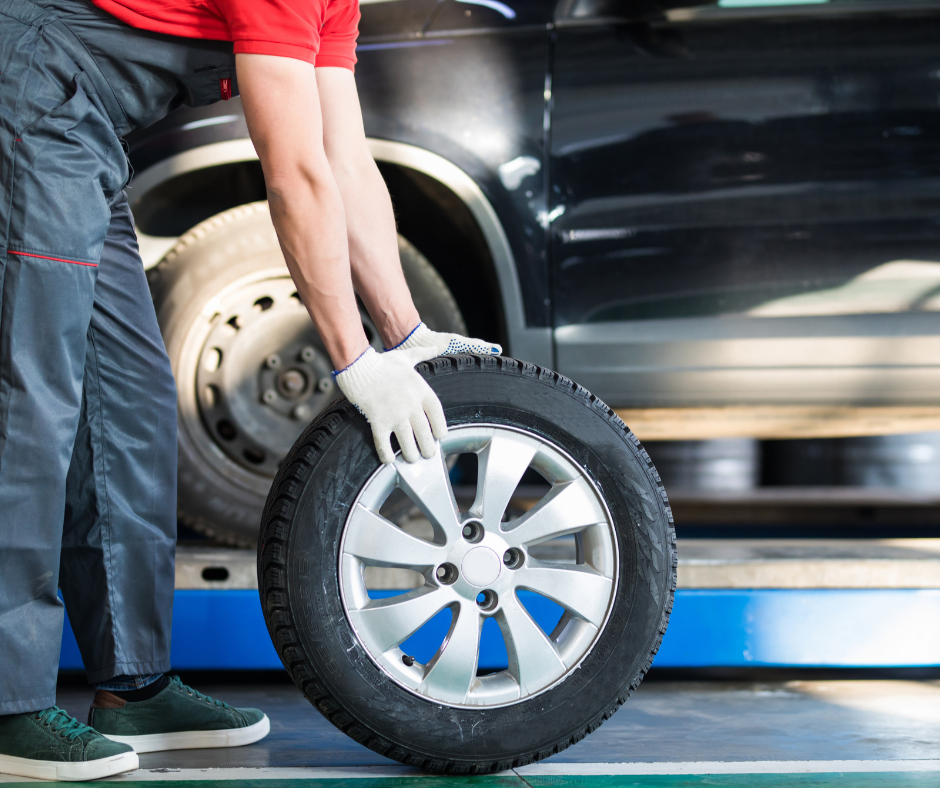
Tires should be replaced when treadwear indicators are reached, when cracking or bulging appears in the sidewall, or when a tire repeatedly loses pressure without an obvious cause. Age is also a factor — even tires with plenty of tread remaining can degrade internally over time. Any replacement decision should weigh tread depth, visible condition, and overall service age together rather than looking at any single factor in isolation.
Building a Simple Maintenance Routine
Consistent tire care doesn't require much time or technical expertise. Checking pressure monthly, inspecting tread and sidewalls before long trips, rotating tires on schedule, and keeping basic tools within reach covers the foundation of responsible tire ownership. A few minutes of attention at regular intervals goes a long way toward safer driving and a longer tire lifespan — a straightforward habit that's well worth building early.