
The Best Ways to Recover After a Red-Eye Flight
Last Updated on August 4, 2026 by Janell
If you've ever stepped off a red-eye flight, you know the feeling. You may have managed a few hours of sleep, but it probably wasn't the kind of rest that leaves you feeling refreshed. By the time you land, your body isn't quite sure what time it is, you're dehydrated, and somehow you're expected to jump right into your day.
The good news is that you don't have to spend the next 24 hours feeling miserable. A few simple habits can help your body recover faster so you can make the most of your trip, whether you're traveling for work or heading off on vacation.
What a Red-Eye Does to Your Body
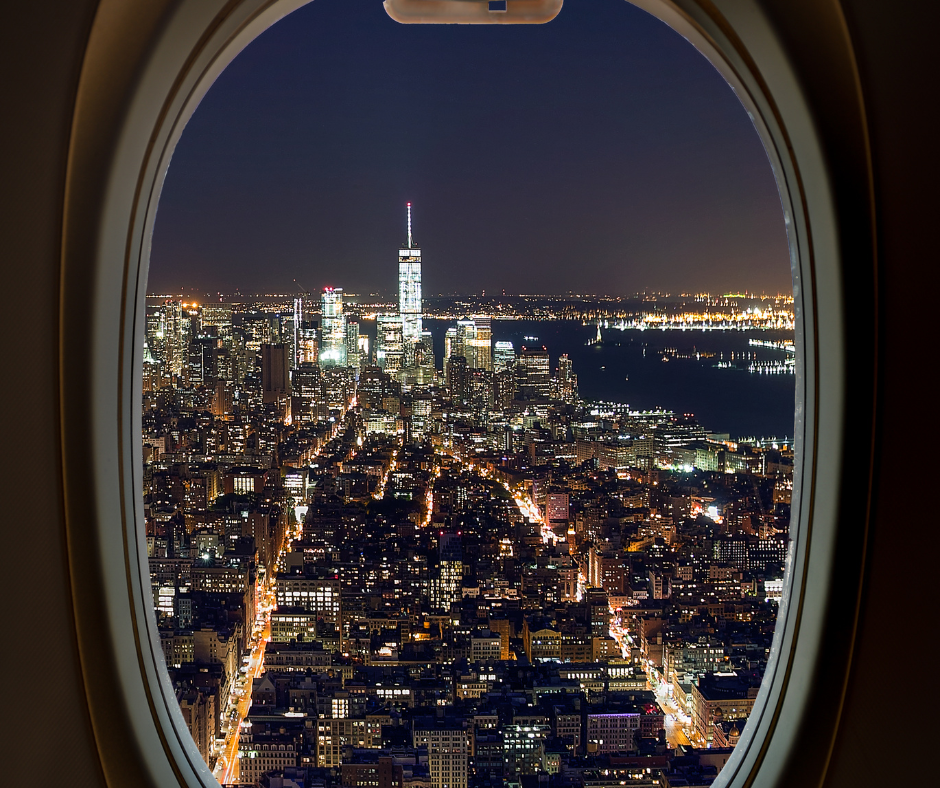
A red-eye doesn't just leave you feeling tired. Between interrupted sleep, dry cabin air, and possibly crossing time zones, your body is trying to recover from several things at once. That's why you may notice you're more forgetful, less patient, or simply feel "off" after you land.
It's completely normal. Sleep deprivation affects your energy, concentration, mood, and reaction time. Understanding what's happening makes it easier to give yourself a little grace instead of expecting to be productive the moment you arrive.

Resist the Urge to Crawl Into Bed
If you're anything like me, the first thing you want to do after getting home is crawl under the covers for a few hours. As tempting as that sounds, it's usually the fastest way to throw off your sleep schedule even more.
Instead, try to stay awake until a normal bedtime in your destination's time zone. It may feel difficult at first, but your body adjusts much faster when you keep to the local schedule instead of sleeping through half the day.
If you absolutely can't keep your eyes open, take a short nap—about 20 minutes—and set an alarm. That little boost can help you make it through the afternoon without making it impossible to fall asleep later that night.
Get Outside as Soon as You Can
One of the easiest ways to help reset your internal clock is to spend some time outside. Natural daylight tells your brain it's time to be awake and helps your body begin adjusting to the local time.
You don't need to do anything complicated. Grab breakfast at an outdoor café, take a walk around the neighborhood, or simply sit on a bench for a while. Even on a cloudy day, natural light is far more effective than sitting indoors under artificial lighting.
Move Your Body
After sitting in an airplane seat for hours, your body needs to move. You don't have to squeeze in a hard workout or spend an hour at the gym. In fact, taking it easy is usually the better choice.
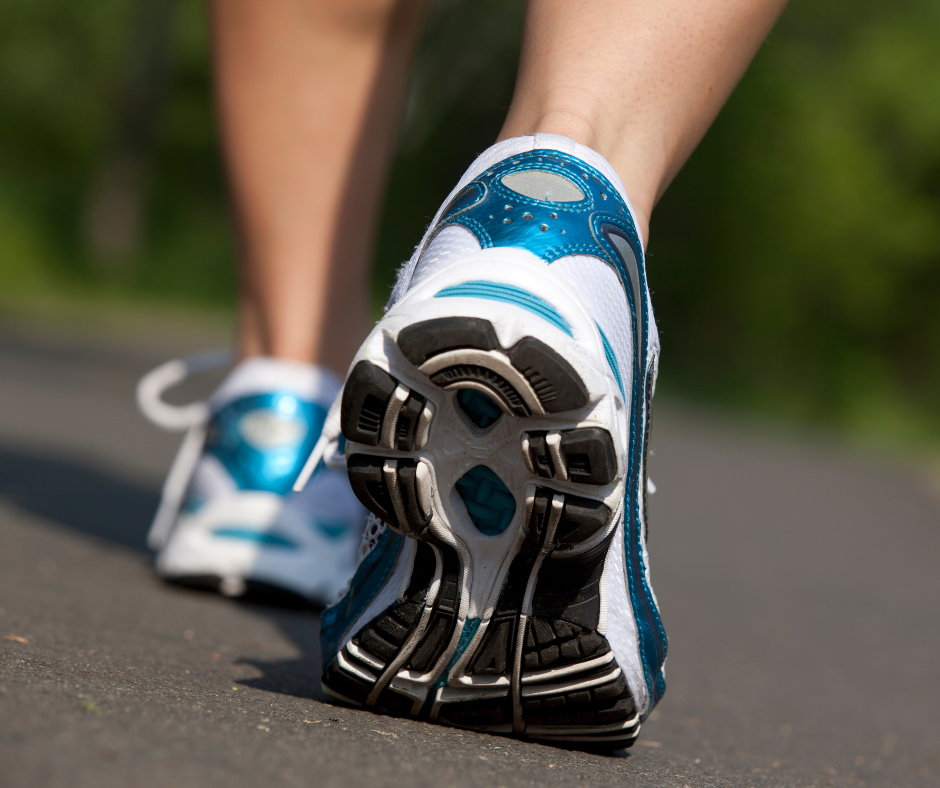
A 20- or 30-minute walk, some gentle stretching, or an easy swim can improve circulation and help shake off that heavy, sluggish feeling. Fresh air doesn't hurt either.
Rehydrate and Eat on a Normal Schedule
Flying is surprisingly dehydrating, even if you don't notice it while you're in the air. Make water your priority once you land and continue drinking it throughout the day.
Coffee can certainly help, but try to use it wisely. One cup in the morning is usually enough to take the edge off your fatigue. Loading up on caffeine all afternoon can make it much harder to fall asleep that evening, delaying your recovery even longer.
Even if you're not especially hungry, try to eat regular meals at local meal times. Your body responds to those routines, and keeping a normal eating schedule can help your internal clock adjust more quickly.
Make Your First Night Count
The biggest part of your recovery happens that first night in a real bed. After trying to sleep in an airplane seat, your body is craving deep, uninterrupted rest.
If your mattress isn't particularly comfortable anymore, a mattress topper for a softer night’s sleep can make a noticeable difference. It's an affordable way to add extra cushioning and support without replacing your entire mattress, helping you wake up feeling rested instead of sore and stiff.
Keep your bedroom cool, dark, and quiet. Put your phone on the nightstand instead of scrolling in bed, and give yourself permission to turn in early. One quality night's sleep does more for red-eye recovery than another cup of coffee ever will.

Prepare Before You Even Land
Believe it or not, recovering from a red-eye starts before the plane touches down.
If you can, try to get at least a little sleep during the flight instead of watching movies the entire night. Packing an eye mask, a supportive neck pillow, and earplugs can make sleeping on the plane much easier.
It's also worth skipping that extra glass of wine. While alcohol might make you feel sleepy, it often reduces the quality of your sleep and can leave you feeling even more dehydrated the next morning.
Give Yourself Some Grace
One of the biggest mistakes travelers make is planning too much on the day they arrive. If possible, avoid scheduling important meetings, long drives, or activities that require a lot of focus.
Think of your arrival day as a reset day instead. Get outside, move around a little, eat well, stay hydrated, and aim for an early bedtime. Chances are you'll wake up the next morning feeling much more like yourself.
Red-eye flights aren't anyone's favorite way to travel, but sometimes they're the most convenient option. The good news is that one rough night doesn't have to ruin the rest of your trip.
Listen to your body, stay hydrated, get some sunshine, and focus on one great night's sleep after you arrive. With a little planning, you'll recover much faster and be ready to enjoy your destination instead of spending your first day wishing you were back in bed.