
Budget-Friendly Ways to Make Your Home a Hub for Creativity and Learning
Last Updated on September 30, 2025 by Janell

Making your home both functional and inspiring doesn’t have to be expensive. In fact, with a few smart updates and thoughtful additions, you can transform everyday spaces into zones that foster creativity and learning, which is ideal for families trying to balance budgets, schedules, and screen time. Here are some simple, cost-effective ways to transform your home into a space where curiosity thrives and imaginations soar.
1. Designate a Creativity Corner
Start by identifying a space in your home that you want to turn into a creativity corner. You dont even have to use an entire room. A small area in the kitchen, an underused closet, or even a corner of the living room could be the perfect space.
Add a small table, a few chairs, and storage bins for supplies like crayons, paper, glue, and scissors. You can often find affordable furniture and storage solutions at thrift stores or even repurpose items you already have at home.
2. Rotate Materials to Keep Things Fresh
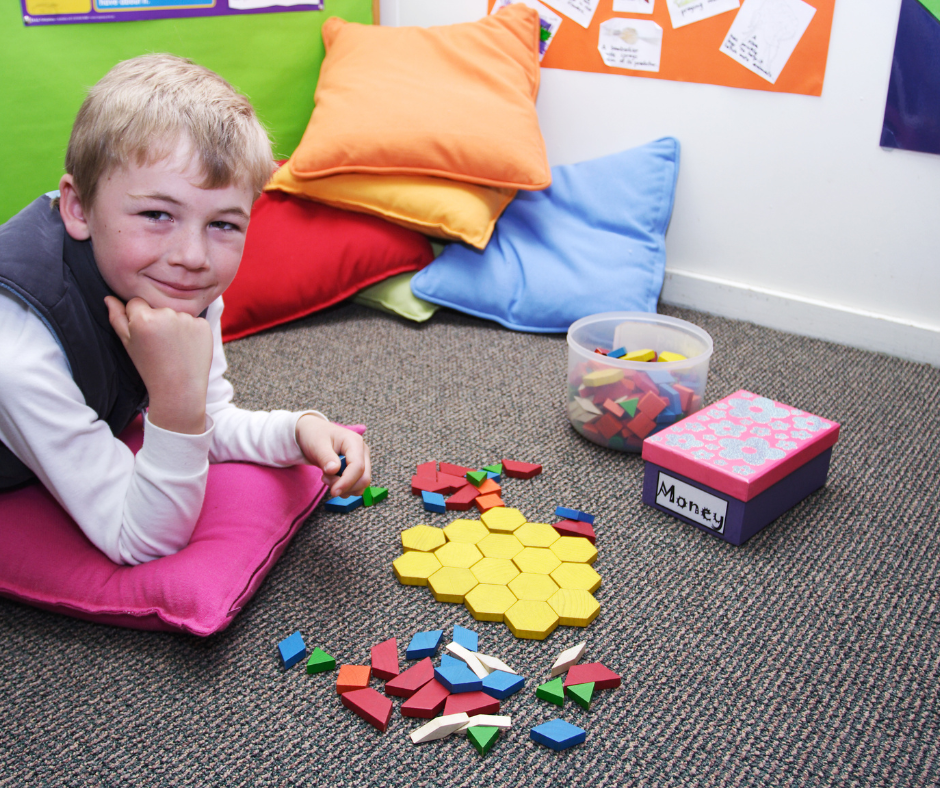
Kids can lose interest when the same activities are available every day. Instead of investing in brand-new supplies all the time, rotate the materials they already have.
Every few weeks, you can swap out books, puzzles, or craft kits to keep things feeling new. Organize these items in labeled bins or baskets for easy access. This will keep kids engaged, and it helps you stretch your budget by making the most of what you already own.
3. Make Learning Part of the Decor
Buy some colorful maps, educational posters, or framed inspirational quotes that align with the values and subjects and hang them on the wall.
We had a wall that was painted with chalkboard paint but you can also use peel-and-stick whiteboards and turn a wall or door into a writable surface. You can use it for spelling words, solving math problems, or sketching ideas. We also liked to leave our kinds fun and loving notes.
4. Encourage Reading
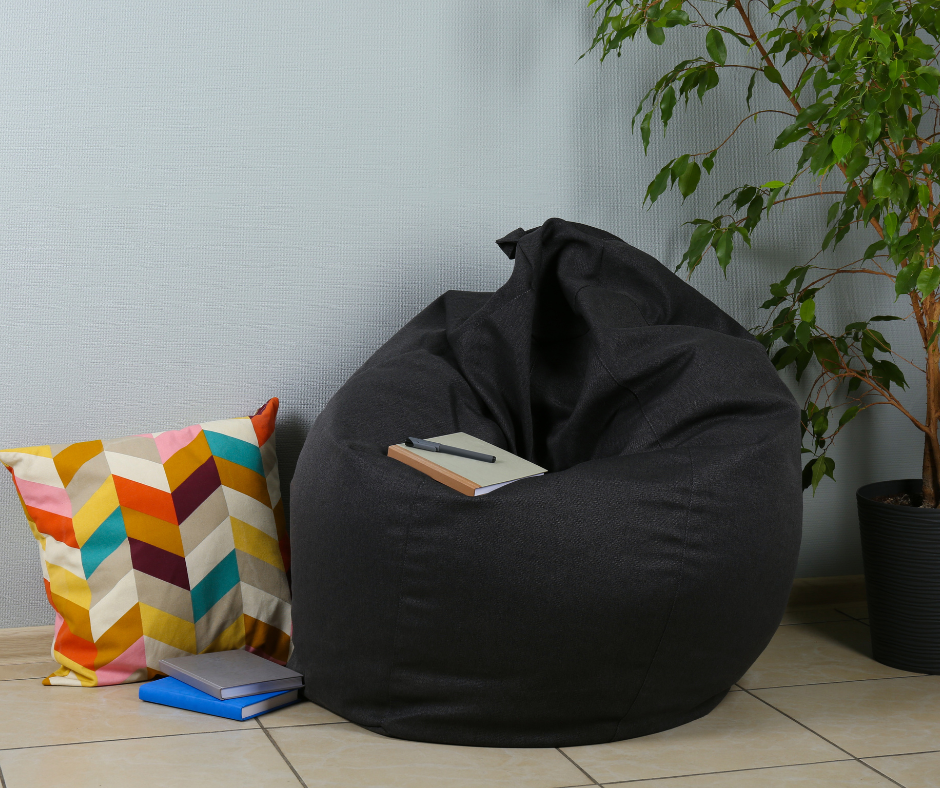
Reading is foundational for all learning. Create a cozy, inviting space that encourages kids to love reading books. You don't need traditional chairs - you can use floor cushions, a beanbag chair, or even an indoor tent to make it feel like a special retreat. Add fairy lights, a small bookshelf, and a basket filled with age-appropriate books.
Resources like the Tuttle Twins collection offer engaging stories that not only entertain but also introduce important topics, such as entrepreneurship, history, and civics, in a way that kids can understand. Adding books like these to your collection reinforces learning through storytelling, which is a win for both families and children.
5. Use DIY Projects as Learning Opportunities
Let your kids help with the home improvement projects. Involve your kids in age-appropriate DIY tasks, such as painting a room, building shelves, or planting a small herb garden.
Kids love hands-on experiences! It teaches practical skills but also boosts confidence and encourages problem-solving. Plus, working on projects together is a great way to bond as a family while improving your home on a budget.
6. Establish a DIY Art Display Wall
Children love seeing their work showcased. Create an art gallery wall in your hallway, kitchen, or playroom to display their drawings, paintings, or craft projects.
Use simple frames, string with clothespins, or magnetic boards to rotate new pieces in regularly. Not only does this celebrate your child’s creativity, but it also adds a personalized touch to your home decor.
7. Reimagine Storage to Promote Independence
Encourage kids to take ownership of their space by organizing supplies in a way that’s accessible to them. Use labeled bins, clear containers, and open shelving to make it easy for them to find and put away their materials.
This promotes independence and responsibility, two key components of lifelong learning. Plus, a well-organized space tends to get more use.
8. Get Outdoors With a Learning Lens
Use your backyard, porch, or balcony as an extension of your creative space. Set up a nature observation station with magnifying glasses, notebooks, and field guides. Grow a few plants together, track the weather, or identify local birds. These activities are low-cost and offer endless opportunities to learn through exploration.
You don’t need a huge budget or a complete home renovation to create a space where creativity and learning flourish. With some thoughtful planning and a few budget-friendly adjustments, your home can become the ultimate classroom, art studio, and reading retreat all in one.
By choosing resources, decor, and projects that support your family’s values and curiosity, you’ll create an environment that nurtures growth for both kids and adults alike.