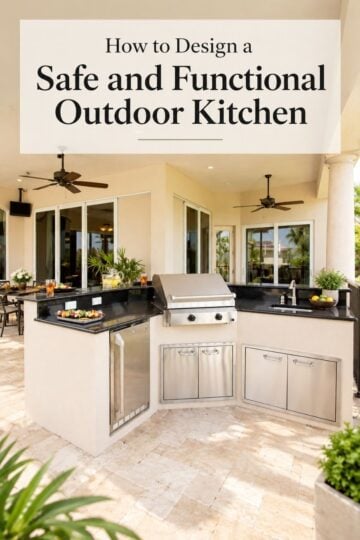
How to Create a Comfortable, Cohesive Outdoor Living Space: Design, Materials, and Practical Planning
Last Updated on September 13, 2026 by Janell
Outdoor areas—patios, balconies, decks, even a modest side yard—function as extra rooms for dining, lounging, and entertaining. Yet plenty of people struggle to strike the right balance between aesthetic appeal, durability, and comfort when furnishing these spaces. A classic misstep is buying an oversized dining set for a compact balcony, or picking fabric cushions that fade after a single season.
This article walks through assessing your space, comparing materials, planning layout, and keeping furniture in good shape, so that regardless of budget or style, you can put together a setup you'll actually use.
Before choosing furniture, it can also help to review the University of Florida's guide to planning outdoor living spaces, which covers furniture, seating, lighting, and other practical considerations.
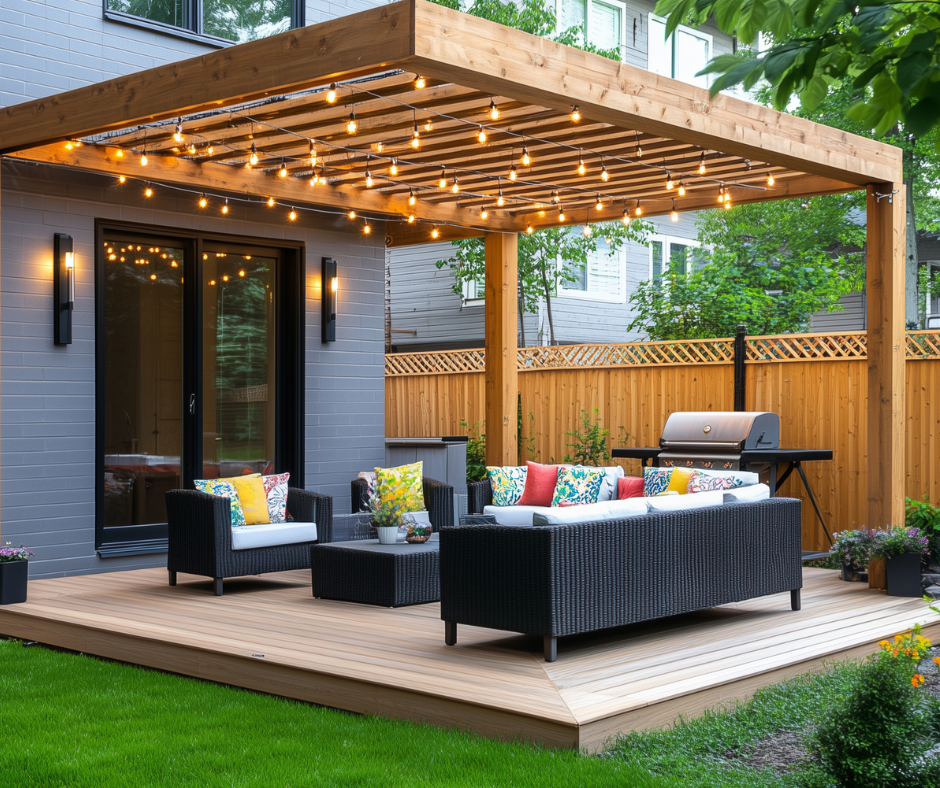
Understanding How You'll Use Your Outdoor Space
Function comes before furniture. Before you buy anything, figure out whether the space is mainly for dining, lounging and reading, entertaining, or some mix of all three. Whether you're scrolling through design inspiration threads, comparing options like serena and lily outdoor furniture, or hunting for secondhand finds, it helps enormously to first be clear on how you'll actually use the space.
A familiar scenario: someone buys a large dining set expecting frequent group meals, only to realize they mostly use the patio solo, with coffee and a book. Common patterns include weekend entertaining, a daily morning coffee ritual, or a spot for kids to play, and each of these calls for different furniture priorities.
Choosing Outdoor Furniture Materials for Durability and Comfort
Outdoor furniture generally falls into a handful of categories: teak and hardwoods, powder-coated aluminum, HDPE resin, all-weather wicker, steel and iron, concrete, and various fabrics. Teak resists rot naturally but needs occasional oiling to stay in top form. Powder-coated aluminum is lightweight and resists rust well. HDPE resin shrugs off moisture and sun with barely any upkeep.
Steel and iron bring welcome weight and stability, though they can rust if their coatings chip.
Matching materials to your climate and lifestyle matters just as much as the material itself. Humid, coastal environments call for corrosion-resistant metals and weather-treated woods rather than untreated steel.
Hot, sunny climates are better served by UV-resistant fabrics and finishes that won't overheat underfoot or hand. Windy regions benefit from heavier pieces like iron or concrete, which won't tip or skid across the deck.
Choose materials that fit your climate and the amount of upkeep you're realistically willing to give them.
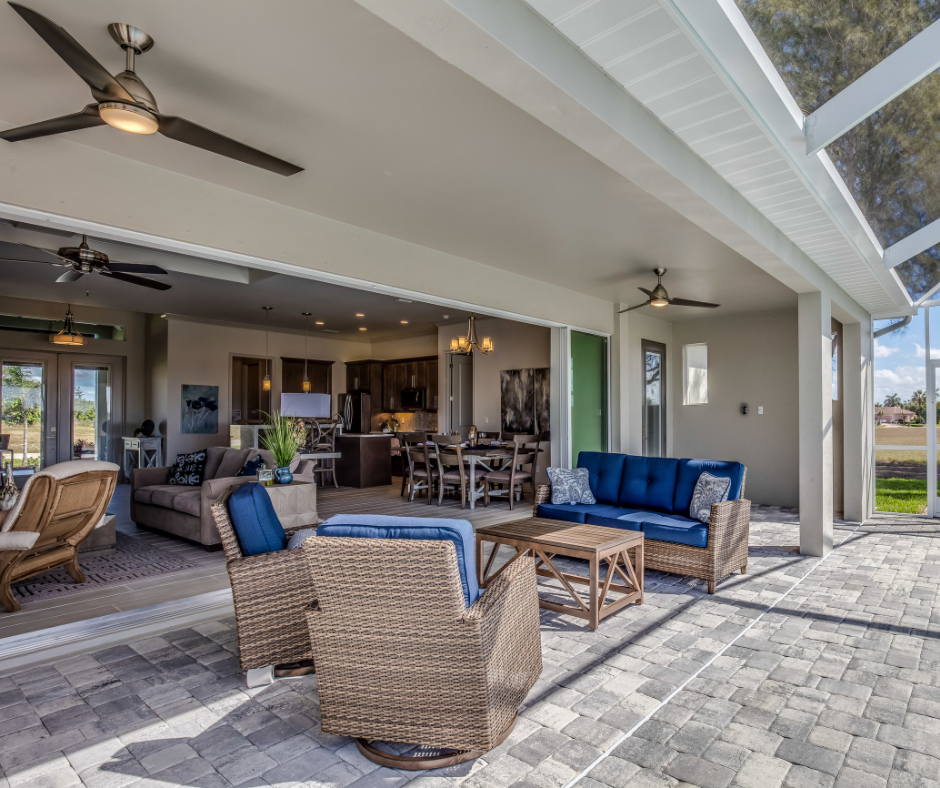
Planning a Comfortable, Safe Layout
Always measure your space before you buy. Leave roughly 2–3 feet of clearance around seating and dining areas so people can move comfortably. Oversized furniture cramps small spaces, while undersized pieces leave large areas feeling sparse and unfinished.
A straightforward approach works best: measure the space, sketch out traffic flow, identify a focal point, and test a few arrangements before committing to a purchase.
Creating cohesion between indoors and outdoors matters too. Echo two or three of your indoor colors outside through cushions, rugs, or planters, and repeat similar finishes—light wood, matte black, soft neutrals—across your furniture frames.
Designer Tip: Pick one accent color and repeat it in at least three places outdoors for a look that feels intentional, not accidental.
Comfort, Textiles, and Practical Maintenance
Comfort comes down to seat height, depth, and back support, especially for furniture you'll use daily. Cushion quality matters just as much—look for UV-resistant fabric, water-repellent coatings, and mold-resistant materials that dry quickly after rain. Regular gentle cleaning, thorough drying, and covering or storing cushions during harsh weather will noticeably extend their lifespan.
Basic furniture maintenance follows similar logic: wash most materials with mild soap and water, re-oil or seal wood periodically, and touch up chipped metal finishes before rust can spread. Consistent, light upkeep generally beats infrequent deep cleaning.
Bringing It All Together: Designing an Outdoor Space You'll Actually Use
Start with how you'll use the space, match materials to your climate and how much maintenance you're willing to do, plan a layout that allows for proper circulation, aim for visual cohesion with your indoor rooms, and prioritize comfort and ongoing care. Thoughtful planning, not specific products, is what makes an outdoor space truly work for your life.
Measure your area, list your primary uses, note your indoor color palette, and sketch out a simple maintenance plan. These small steps add up to outdoor spaces you use often, rather than admire occasionally from behind glass.
A well-planned outdoor space should feel like a natural extension of your home—comfortable, functional, and easy to enjoy year-round.