
How to Save for a Family Vacation Without Wrecking Your Household Budget
Last Updated on November 13, 2026 by Janell
Family vacations are something everyone looks forward to, but they can get expensive fast! Between the hotel, transportation, meals, and activities, it's easy to spend more than you originally planned.
And let's not forget all those little expenses. A few snacks at the gas station, parking fees, souvenirs, and an extra meal out might not seem like much at the time, but they add up.
The good news is that you don't have to skip your family vacation just because you're trying to stick to a budget. With a little planning, you can enjoy time away together without coming home to a huge credit card bill.
Here are some practical ways to save for your next family vacation and make your travel budget go further.

Figure Out How Much Your Vacation Will Really Cost
Before you start saving, you need to know how much money you'll actually need.
One of the biggest mistakes families make is budgeting for the hotel and transportation but forgetting about everything else.
Think about your last vacation. Did you spend more on food than expected? Were there parking fees you hadn't planned for? Did the kids want souvenirs at every stop?
Make a list of everything you expect to spend money on, including transportation, accommodations, meals, activities, and miscellaneous expenses.
Here's an example of what a five-night family vacation for four people might cost:
| Expense | Estimated Cost |
|---|---|
| Hotel or vacation rental | $900 |
| Gas and transportation | $250 |
| Groceries and restaurants | $400 |
| Activities and attractions | $300 |
| Parking and miscellaneous fees | $100 |
| Souvenirs | $100 |
| Subtotal | $2,050 |
| Extra money for unexpected expenses | $205 |
| Total Vacation Budget | $2,255 |
These are sample numbers, not average vacation costs. Your actual expenses will depend on your destination, family size, and travel plans.
I like the idea of adding another 10% to the budget for unexpected expenses. That way, an extra parking charge or an unplanned activity doesn't completely throw off your spending.
You can also use this free printable travel planner from SavingYouDinero to organize your trip. It includes a vacation budget worksheet, expense tracker, packing list, and more.
Start a Separate Vacation Savings Fund
Once you know how much your vacation will cost, figure out how much you need to save each month.
For example, if your goal is $2,400 and your vacation is 12 months away, you'll need to save $200 per month.
That might sound like a lot, but breaking it down makes the goal easier to manage. Instead of finding $2,400 all at once, you're setting aside about $46 per week.
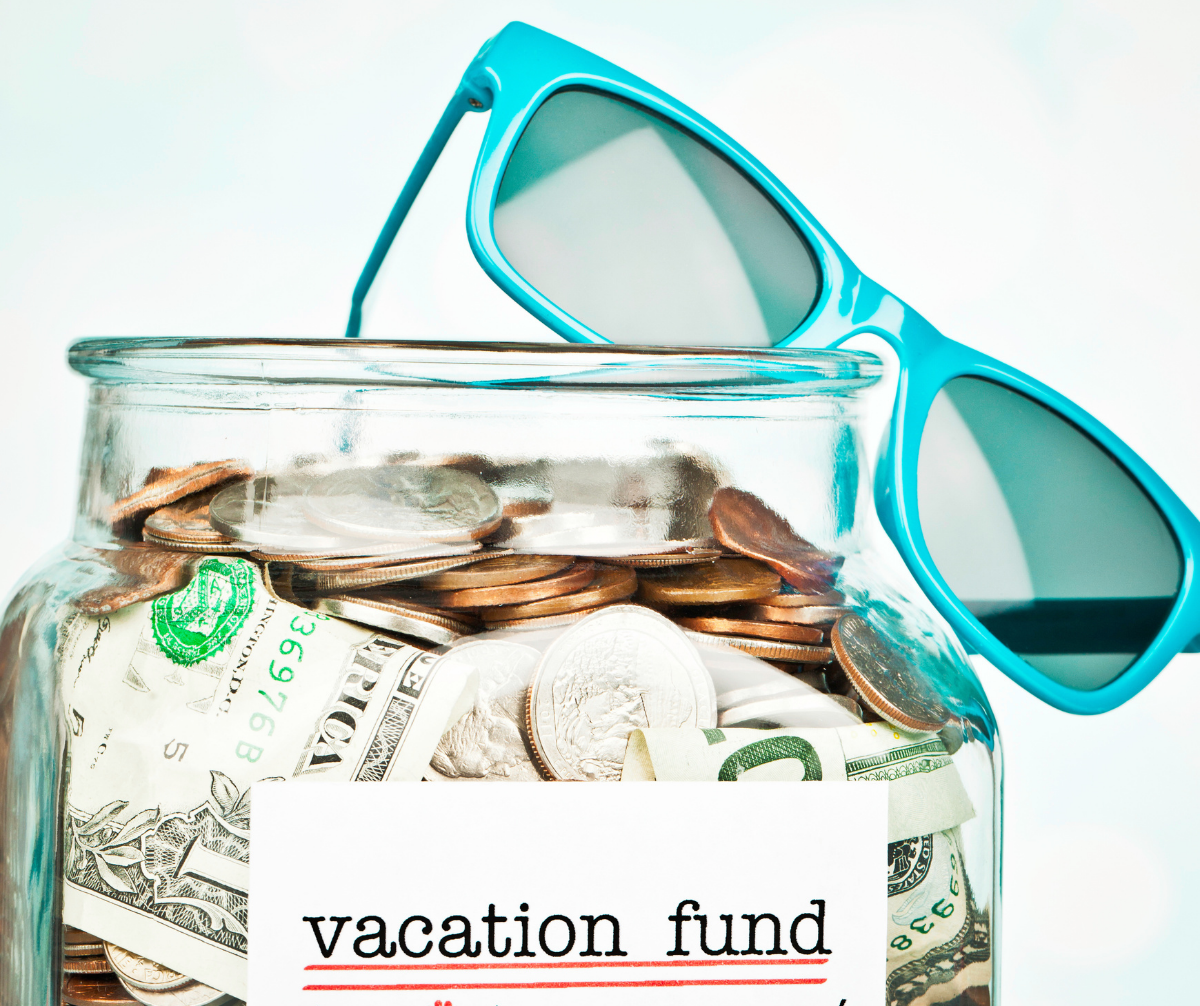
Consider opening a separate savings account just for vacations. You can even nickname it something fun, like "Summer Beach Trip" or "Family Vacation Fund."
Setting up automatic transfers is another way to make saving easier. If the money moves into savings each payday, you won't have to remember to transfer it yourself.
The Consumer Financial Protection Bureau recommends automatic saving as a way to build consistent savings habits.
Just make sure your vacation savings don't take money away from essential bills or your emergency fund.
Find Extra Money in Your Everyday Budget
You might be surprised how much money you can save by making a few small changes throughout the year.
Start by looking at expenses that are easy to overlook. Maybe you're paying for streaming services you rarely watch. Maybe grabbing takeout twice a week has become a habit.
You don't have to give up everything you enjoy. Even small adjustments can help you reach your vacation goal.
For example:
- Canceling a $15 monthly subscription saves $180 in a year.
- Cutting one $30 takeout order each week saves $1,560 over 52 weeks.
- Setting aside $10 each week adds another $520 in a year.
That's potentially $2,260 you could redirect toward vacation savings, assuming you make all three changes consistently.
You can find more ideas in my article about how to save money each month.
Another option is to set aside some of the money you receive unexpectedly, such as cash gifts, rebates, or money earned from selling things you no longer use.
Those smaller amounts can make a big difference over time.

Be Flexible With Your Travel Dates
One of the easiest ways to save money on a vacation is to compare different travel dates before booking.
Flights, hotels, and vacation rentals can have very different prices depending on the time of year.
If your schedule allows it, compare prices during the week instead of only looking at Friday through Sunday. You might also find better deals by traveling right before or after the busiest vacation periods.
Families with school-age children may have less flexibility, but it's still worth checking several departure dates.
Sometimes leaving a day earlier or coming home a day later makes a noticeable difference in your total cost.
The important thing is to compare the entire trip, not just one inexpensive hotel night or plane ticket.
Compare Hotels, Vacation Rentals, and Timeshares
Where you stay can have a big impact on your vacation budget.
Hotels are convenient, especially for shorter trips. But if you're traveling with several children, you may need more than one room. And eating every meal at a restaurant can get expensive.
Vacation rentals often provide more space, a kitchen, and laundry facilities. However, cleaning fees and other charges can make a property more expensive than its advertised nightly rate.
Another option worth exploring is renting timeshare points rather than purchasing a timeshare. Depending on availability, this may give families access to resort-style accommodations with kitchens, separate bedrooms, and additional amenities without the long-term financial commitment of ownership.
Before booking, compare the total cost, including any additional fees, cancellation policies, and resort charges. Renting timeshare points isn't always the cheapest option, so it's worth comparing prices with hotels and traditional vacation rentals.
If you're considering purchasing a timeshare instead, the Federal Trade Commission's guide to timeshares and vacation clubs explains important costs and commitments to consider.
Whatever accommodations you choose, look at the overall value. A slightly more expensive place with free parking, breakfast, or a kitchen could ultimately cost less than a cheaper room with extra fees.
Save Money by Eating Some Meals Where You Stay
Food is one of those vacation expenses that can quickly get out of control.
If you're traveling with a family of four, even a casual breakfast can become expensive when everyone orders a meal and drinks.
You don't need to cook every meal on vacation, but preparing a few meals where you're staying can save a surprising amount.
A kitchen makes this easier, but even a hotel room with a mini fridge and microwave can help.
Consider bringing or purchasing easy breakfast foods like cereal, yogurt, fruit, and bagels. Sandwiches and snacks are great for beach days or road trips.
If your vacation rental has a full kitchen, plan a couple of simple dinners, too.
For example, if you normally spend $50 taking the family out for breakfast, but can prepare breakfast for $15, that's $35 saved in one morning. Do that four times, and you've saved $140.
The key is to find a balance. You can still enjoy local restaurants and special meals without eating out every single time you're hungry.
I have more tips for saving money on groceries and creating a simple meal plan.

Look for Free and Low-Cost Activities
You don't need an expensive attraction scheduled for every day of your trip.
Some of the best vacation memories come from simple activities like spending the day at the beach, exploring a new park, or walking around a town you've never visited.
Before leaving, search for free attractions and activities near your destination.
Many places have free museums on certain days, outdoor concerts, walking trails, and community events.
Check the local tourism website for discounts and free events.
You can also let everyone in the family choose one activity they really want to do. Then build the rest of your schedule around those priorities.
This gives everyone something to look forward to without feeling like you need to spend money every hour of the day.
Use Rewards and Cashback Wisely
If you already use cashback websites, loyalty programs, or credit card rewards, check whether you can apply those savings toward your vacation.
Some hotel loyalty programs offer discounted nights or let you redeem points for accommodations.
Cashback websites may also offer rewards for eligible travel bookings.
Before booking, compare the final price directly with the hotel, airline, or travel provider. A cashback offer isn't a good deal if the price is higher to begin with.
You can also check out my tips for planning an international vacation and saving money on travel.
And if you use a rewards credit card, make sure you're paying the balance in full. Interest charges can quickly wipe out the value of any rewards you earn.
Prepare Your House Before Leaving
Saving money on vacation isn't just about what you spend while traveling. It's also about avoiding unnecessary expenses at home.
Before leaving, take a few minutes to get your house ready.
Here's a simple checklist:
- Adjust your thermostat appropriately for the season, climate, and your home.
- Unplug unnecessary small appliances.
- Remove food from the refrigerator that will spoil before you return.
- Take out the trash.
- Pause mail deliveries or ask someone you trust to collect them.
- Check that doors and windows are locked.
- Consider shutting off the main water supply if it's appropriate for your home and its plumbing system.
- Check your water heater manufacturer's instructions before changing settings.
If you're going away for an extended period, having a trusted neighbor check on your house can also provide peace of mind.
Nobody wants to come home from a relaxing vacation to an expensive problem that could have been prevented.
Don't Feel Like You Have to Spend Every Dollar
Here's one more vacation budgeting tip that's easy to forget: Just because you saved a certain amount doesn't mean you have to spend all of it!
If you budgeted $300 for activities and only spent $200, you don't need to find another activity just to use the remaining money.
Put it toward your next vacation, rebuild your savings, or use it for another family goal.
You worked hard to save that money, so make sure you're spending it on things that really matter to your family.
You Can Take a Family Vacation Without Going Into Debt
Family vacations don't need to be elaborate or expensive to be memorable.
The important part is spending time together, getting away from your usual routine, and enjoying experiences your family will remember.
Start with a realistic vacation budget, save a little money each month, and look for ways to reduce expenses without taking the fun out of your trip.
With some advance planning, you can come home with great memories instead of a credit card bill you're still paying off months later.