
Five Unexpected Environmental Threats to Watch Out For
Last Updated on April 7, 2025 by Janell
Our environment plays a crucial role in our well-being, yet many unseen hazards lurk in the air, water, and soil. Some of these dangers are widely discussed, like smog and plastic pollution. Others, however, remain hidden threats that impact health in alarming ways.
The risks are everywhere, from invisible chemicals in household products to industrial toxins seeping into drinking water. This article sheds light on five environmental hazards you might not be aware of but could be affecting your health every day.
Lingering Threat Of Lead Exposure in Homes and Water Supplies
Lead exposure remains a significant health risk, particularly in older homes with lead-based paint. When this paint deteriorates, it produces dust that can be inhaled or ingested. Even minimal exposure can cause cognitive issues, especially in children, affecting brain development and learning abilities.
Beyond paint, lead contamination in water is a growing concern. Many water pipes in older cities still contain lead, and corrosion can release this toxic metal into drinking water. According to WHO, high lead levels have been linked to high blood pressure, kidney damage, and cardiovascular problems.
Many people are unknowingly exposed through household plumbing, where lead solder and fixtures leach contaminants into drinking water. Pregnant women and young children are particularly vulnerable, as lead can cross the placental barrier and affect fetal development.

How to Protect Yourself
- If you live in an older home, test for lead in paint and dust regularly.
- Use certified water filters designed to remove lead from drinking water.
- Let tap water run for several minutes before use, especially in the morning, to flush out accumulated lead.
- Avoid consuming hot tap water, as heat can increase lead leaching.
AFFF Contamination: The Hidden Danger in Water
Aqueous Film-Forming Foam has been widely used in firefighting, particularly on military bases and airports. However, this foam contains PFAS, also known as “forever chemicals.” These chemicals do not break down in the environment, leading to widespread water contamination.
Communities near firefighting training sites and industrial zones have reported per- and poly-fluoroalkyl substances (PFAS) contamination in their drinking water. As per EPA, long-term exposure to PFAS is associated with kidney and testicular cancer, liver damage, and immune system disruption.
Studies from Science Direct have also linked PFAS to hormonal imbalances, fertility issues, and metabolic disorders. Due to increasing health concerns, legal actions are being taken against manufacturers responsible for AFFF contamination. The recent AFFF lawsuit update mentions that there are 8,092 claims in the MDL as of February 2025.
As per TruLaw, the Environmental Protection Agency (EPA) has added nine new PFAS substances to its Toxics Release Inventory (TRI). This has further increased the federal control of these forever chemicals. Businesses and industries that produce, handle, or utilize PFAS are immediately impacted by this inclusion.
Environmental awareness has even influenced car enthusiasts, who are now more mindful of emissions when upgrading vehicle components. Choosing performance parts like custom exhaust headers can improve engine efficiency and reduce harmful exhaust output when installed properly, benefiting both horsepower and the environment.

Pesticide Residue is More Than Just a Farming Issue
Pesticides are widely used in conventional farming to protect crops from pests. However, residue from these chemicals remains on fruits and vegetables even after harvesting. As per Endocrine Society, some pesticides contain neurotoxic ingredients that have been linked to developmental delays, hormone disruption, and certain cancers.
The concern extends beyond produce. Pesticide runoff can contaminate soil and water, affecting local ecosystems and drinking supplies. According to WebMD, some of the most commonly used pesticides, like glyphosate, have been classified as “probable human carcinogens.”
Studies have also linked pesticide exposure to reproductive disorders, endocrine system disruptions, and increased risks of neurological diseases like Parkinson’s. Farmworkers and rural communities face the highest risk of exposure. Even urban consumers, however, are exposed to conventionally grown food and contaminated drinking water.
How to Keep Yourself Safe:
- Wash fruits and vegetables thoroughly or opt for organic produce when possible.
- Peel produce when appropriate to reduce surface pesticide residues.
- Avoid chemical-based lawn treatments that contribute to environmental contamination.
- Support farming practices that minimize pesticide reliance and advocate for safer regulations.
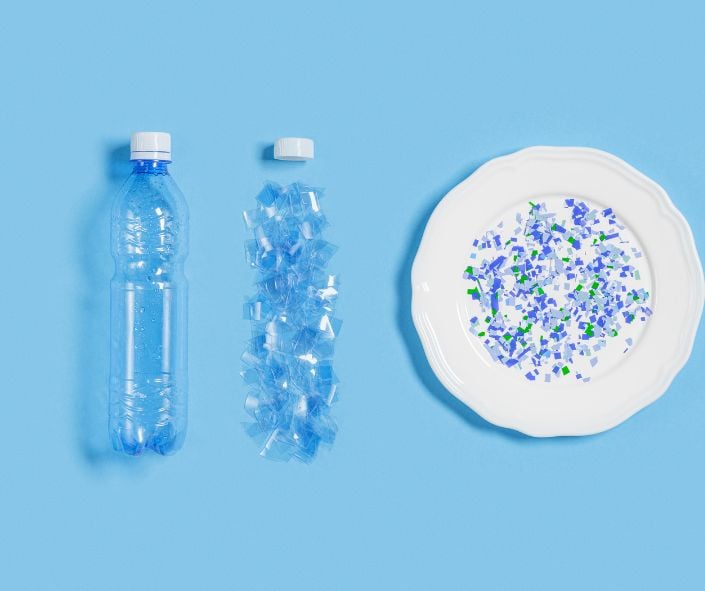
Microplastics or The Unseen Pollutants in Water and Food
Microplastics are tiny plastic particles that originate from larger plastic debris breaking down. They are now found in drinking water, seafood, and even table salt.
Studies by NIH suggest that microplastics can enter the human body and accumulate over time, potentially leading to inflammation and cellular damage. Marine life often ingests these particles, introducing plastic into the food chain.
Humans consuming seafood may unknowingly ingest microplastics, raising concerns about their long-term health effects. Some studies have linked microplastics to oxidative stress, DNA damage, and disruptions in gut microbiota. Apart from food sources, microplastics are also present in the air.
Synthetic fabrics shed plastic fibers that enter the atmosphere and are inhaled. Over time, these particles may contribute to respiratory and cardiovascular problems. To protect yourself from microplastics, reduce plastic use and switch to reusable containers.
Choose natural fiber clothing to limit microplastic shedding from synthetic fabrics. Avoid bottled water, as it often contains microplastic contaminants. And lastly, support legislation aimed at reducing plastic pollution and improving waste management.

Mold and Fungal Growth: The Hidden Indoor Toxins
Damp indoor environments promote mold growth, which releases spores and toxins into the air. Prolonged mold exposure can cause respiratory issues, allergic reactions, and even neurological symptoms.
As per Healthline, certain molds, like black mold, produce mycotoxins that may trigger severe health conditions, including immune system suppression and chronic lung diseases. Individuals with asthma, allergies, or weakened immune systems are particularly vulnerable to mold-related illnesses.
Even healthy individuals may experience symptoms like headaches, fatigue, and skin irritation when exposed to mold over time. Mold thrives in poorly ventilated spaces, such as bathrooms, basements, and attics. Once it takes root, it can be difficult to eliminate, making prevention the best strategy.
Address leaks and humidity issues in your home regularly to avoid fungal growth. Use dehumidifiers to maintain indoor humidity levels below 50%. Regularly inspect ventilation systems for mold buildup. Additionally, clean damp areas frequently to prevent mold growth.
Frequently Asked Questions (FAQs)
How can I test my home’s water supply for lead contamination?
Testing your home’s water for lead contamination requires a certified testing kit or professional laboratory analysis. Many local health departments and water utilities provide testing services. When collecting a sample, ensure it includes both first-draw and flushed water to assess lead levels accurately.
How can I prevent mold growth in areas with high humidity?
Preventing mold growth in high-humidity areas requires proper ventilation, moisture control, and routine maintenance. Using exhaust fans in bathrooms and kitchens, installing dehumidifiers, and ensuring proper insulation can significantly reduce mold risk. Additionally, using mold-resistant paint and regularly cleaning damp areas with antifungal solutions helps keep mold at bay.
What steps should I take if I suspect AFFF contamination in my local water supply?
You can get your water tested by a certified laboratory to determine the presence of PFAS. If contamination is confirmed, consider using a high-quality filtration system, like reverse osmosis or activated carbon filters, which are effective in reducing PFAS levels.
Understanding these hidden hazards doesn’t require panic but rather informed action. Taking reasonable precautions while staying informed about local environmental issues creates safer living spaces. Communities can work together to address larger environmental concerns.
Supporting proper chemical disposal programs and advocating for stricter safety standards benefits everyone. Environmental health literacy becomes increasingly important as we face new challenges. Education about hidden hazards helps individuals make better choices for their families and communities.