
How Virtual Classrooms Offer Opportunities for Collaborative Learning
Last Updated on December 29, 2025 by Janell
Education has entered a phase shaped by networked tools, shared digital spaces, and flexible schedules. Virtual classrooms stand at the center of this shift, offering structured environments where learners meet, discuss, and build knowledge together. These spaces move past one-way instruction and invite participation through dialogue, shared tasks, and peer feedback.
Collaborative learning thrives in such settings since interaction becomes a daily practice rather than a rare event. Through thoughtful design and clear expectations, online classrooms open paths for teamwork that were once limited to physical rooms.
The following information explains how virtual classrooms create meaningful opportunities for collaborative learning through access, communication, tools, inclusion, skill-building, and reflective growth.
Breaking Geographical Barriers
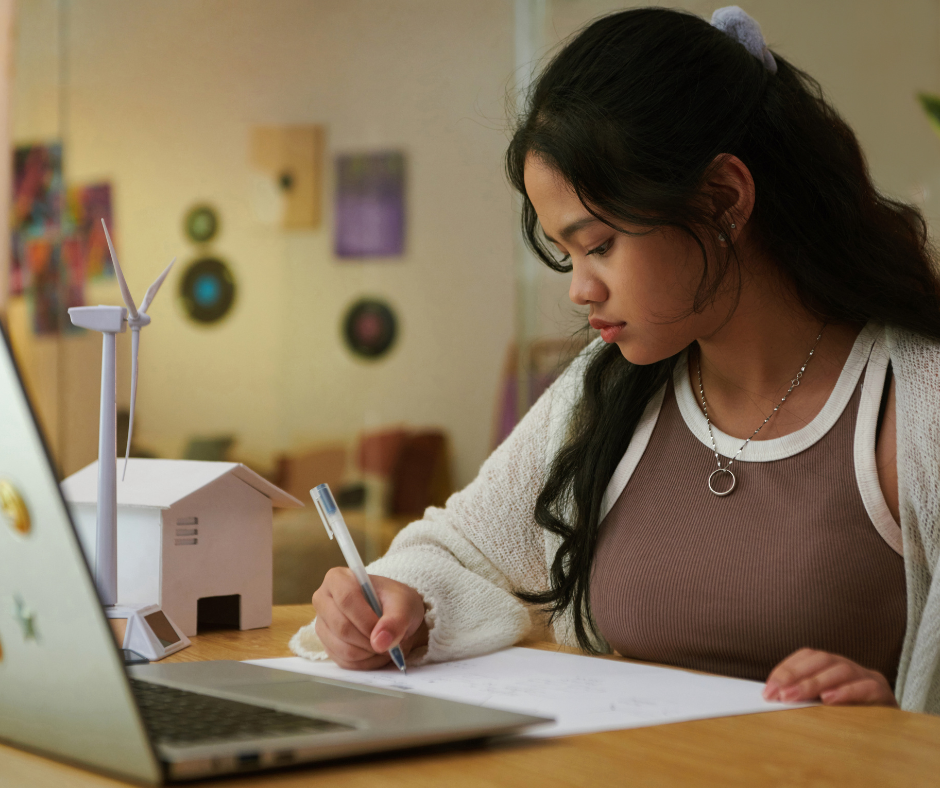
Virtual classrooms remove distance as a limiting factor, allowing learners from many regions to be together in one shared space. A student in a rural area can work with peers in urban centers, and international learners can contribute cultural insight without travel.
This reach transforms group work into a global exchange of ideas, and a program hosted through https://svhs.co/ can place learners from different time zones into the same project, shaping a richer conversation that reflects varied experiences and viewpoints. Group assignments no longer rely on proximity, so collaboration becomes a routine expectation rather than an exception.
Teachers can design activities that rely on cross-regional perspectives, creating learning moments shaped by diversity rather than uniformity. The classroom expands beyond walls, and cooperation follows that expansion naturally.
Real Time Interaction and Shared Presence
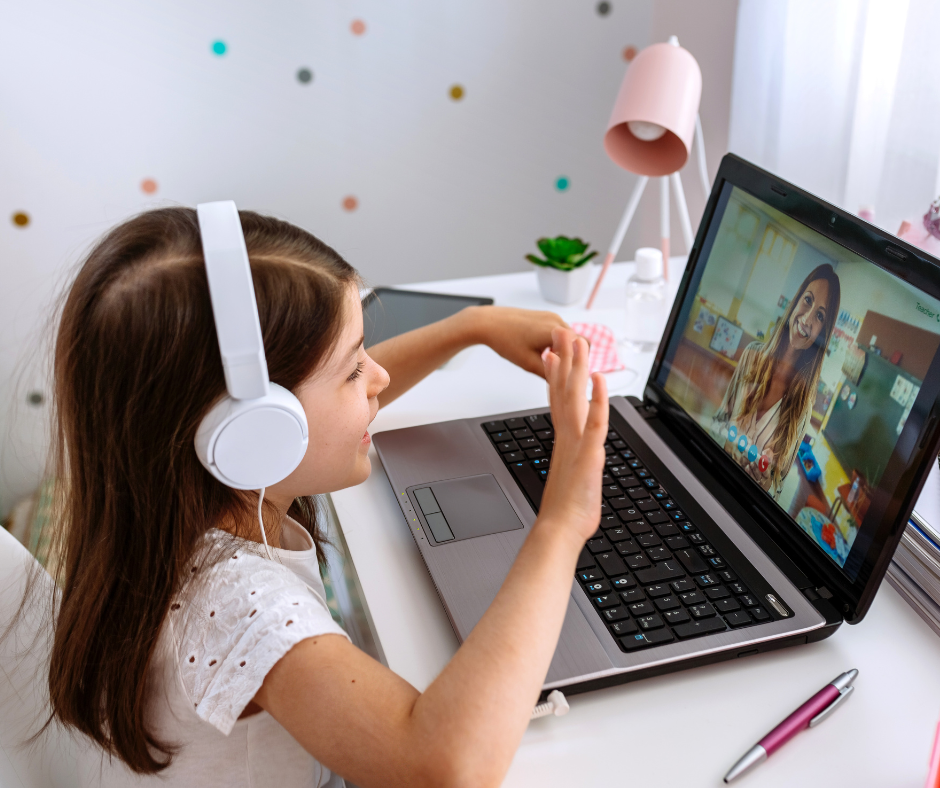
Synchronous tools such as live video sessions, shared whiteboards, and instant messaging create a sense of presence that mirrors face-to-face engagement. Learners speak, listen, and respond at the same time, shaping discussions through tone and timing. This immediacy supports collaborative problem-solving, as ideas move quickly among participants. Students can clarify points, ask follow-up questions, and build on peer comments during a single session.
The shared presence strengthens accountability since each participant contributes visibly. Over time, these interactions build trust and familiarity, which support deeper cooperation on complex tasks.
Virtual classrooms turn screens into meeting places where collaboration feels natural and sustained.
Structured Collaboration Through Digital Tools
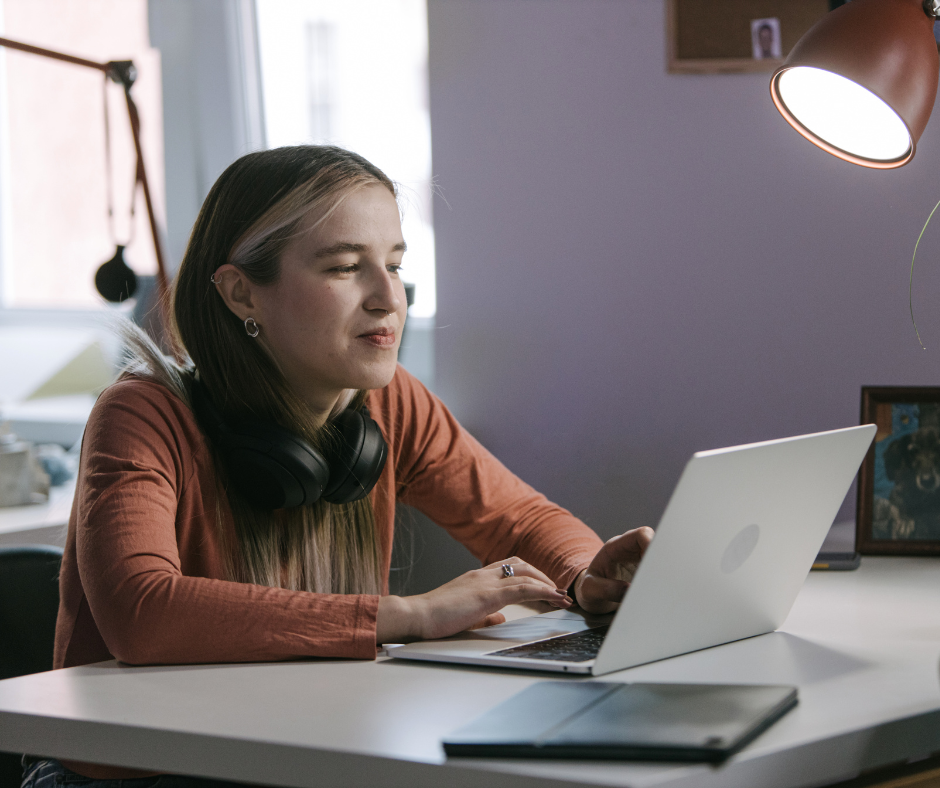
Online learning platforms include tools designed for shared work and collective organization. These features guide learners through cooperative tasks with clarity and purpose.
- Shared documents allow multiple students to write, edit, and comment within one space.
- Discussion boards host extended conversations that develop over days rather than minutes.
- Project management features include assigning roles, deadlines, and milestones to group tasks.
- Breakout rooms support small group dialogue within a larger class session.
Such tools shape collaboration through structure rather than chance. Each student knows where to contribute and how progress will appear. Teachers can observe participation patterns and guide groups through feedback at key moments.
The result is cooperative learning that stays organized, visible, and goal-oriented.

Inclusive Participation and Diverse Perspectives
Virtual classrooms support participation from learners who may hesitate to speak in physical settings. Text-based discussion, recorded responses, and flexible pacing give each student time to reflect before sharing ideas. This approach values thoughtful contribution over quick responses. Students with different learning preferences find formats that suit their strengths, which raises overall engagement.
Cultural diversity becomes an asset within collaborative tasks, since varied viewpoints shape discussion threads and project outcomes. Group work benefits from this range of voices, leading to solutions shaped by broad experience.
The digital format supports equity in participation, giving collaboration a wider foundation.
Skill Development Through Collaborative Practice
Collaboration in virtual classrooms builds academic knowledge alongside transferable skills. Students practice communication through written posts, presentations, and peer review. Coordination skills grow as groups manage schedules and shared responsibilities across digital spaces. Problem-solving develops through joint analysis of case studies and scenarios.
These experiences prepare learners for professional environments where remote teamwork is common. Feedback cycles within group projects teach negotiation and adaptability. Virtual collaboration becomes a training ground for skills valued beyond the classroom, linking learning tasks with real-world expectations.
Assessment Feedback and Continuous Improvement
Collaborative learning thrives when assessment supports reflection and growth. Virtual classrooms offer detailed tracking of contributions, discussion quality, and project progress. Teachers provide timely feedback through comments, audio notes, or live conferences. Peer assessment plays a role too, guiding students to evaluate group processes and outcomes.
This ongoing feedback loop supports adjustment during projects rather than after completion. Students learn to reflect on group dynamics, workload balance, and communication clarity. Over time, collaboration improves through practice informed by clear guidance.
Virtual classrooms offer more than access to content. They create shared spaces where learners interact, build understanding, and develop skills through cooperation. By removing geographical limits, supporting real-time dialogue, providing structured tools, inviting inclusive participation, developing practical skills, and guiding improvement through feedback, online learning environments support collaboration at every level.
These opportunities reshape how students learn together, turning virtual classrooms into active communities grounded in shared purpose and collective growth.