Modern Shower Design Ideas
Last Updated on April 16, 2026 by Janell
Have you ever stepped into a shower and thought it felt more like a tech demo than a place to rinse off? In cities like Pittsburgh, where older homes meet modern upgrades, showers have quietly become design statements. Today’s homeowners are rethinking what a shower should do, how it should look, and even how it should make them feel.
Modern shower design sits at the intersection of style, comfort, and changing lifestyles. As remote work, wellness culture, and rising utility costs reshape homes, showers are no longer tucked-away necessities. They are curated spaces that balance efficiency with a bit of everyday luxury, often reflecting broader cultural shifts toward sustainability and personalization.
The Rise of the Walk-In Shower
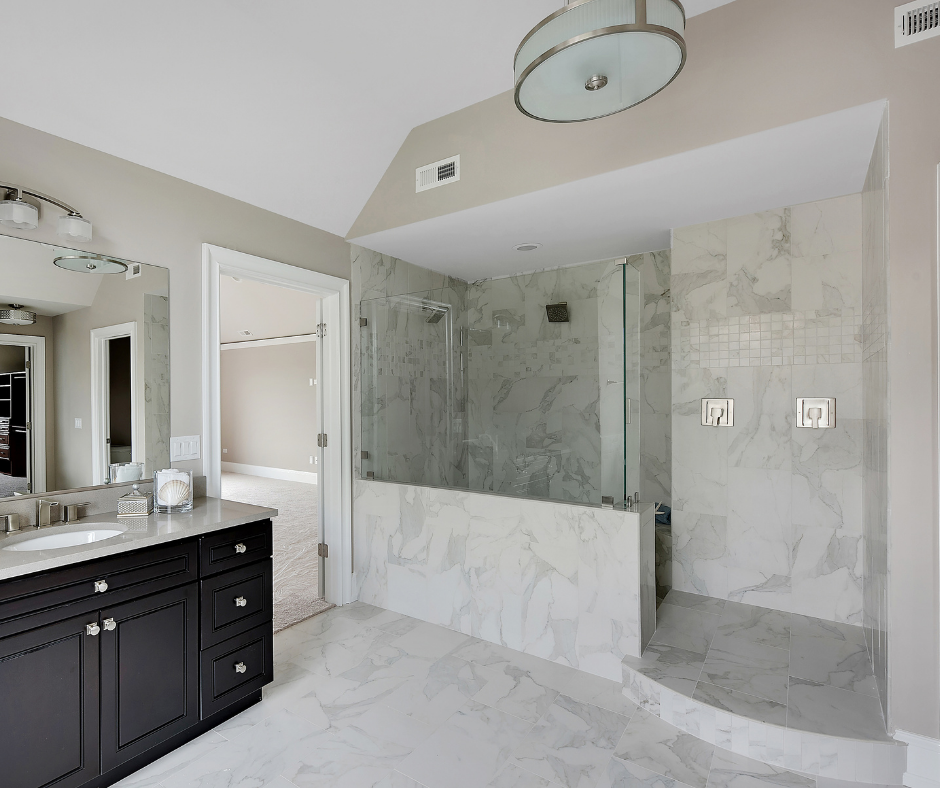
Walk-in showers have become a fixture in contemporary homes because they solve multiple problems at once. They eliminate bulky tubs, open up tight bathrooms, and make cleaning far easier than dealing with curtains or sliding doors. This design also aligns with aging-in-place trends, offering accessibility without sacrificing style.
Glass panels are usually frameless, creating a seamless look that makes even small bathrooms feel larger. Homeowners often pair them with linear drains and large-format tiles to reduce grout lines. This is not just about aesthetics, though. Fewer seams mean less mold buildup, which matters in humid climates and busy households.
Regional Influences on Design Choices
Local architecture and weather patterns shape shower design more than people realize. In areas with older housing stock, renovations often involve blending modern materials with existing layouts. In Pittsburgh, showers are frequently redesigned to maximize space in narrow bathrooms while preserving the home’s character.
Because winters are cold and long, many homeowners prioritize features like heated floors and steam options. These upgrades turn a daily routine into a warm retreat. Contractors in the region also recommend moisture-resistant backer boards and proper ventilation systems, since temperature swings can cause condensation that damages walls over time.
Smart Showers and the Tech Integration Boom
Technology has made its way into nearly every corner of the home, and showers are no exception. Smart shower systems now allow users to preset water temperature, control flow with voice commands, and even track water usage through apps. It sounds excessive until you realize how much time people spend adjusting knobs every morning.
These systems also reflect a broader societal push toward data-driven living. People want control, efficiency, and personalization, even in small routines. Installing a digital valve system may cost more upfront, but it can reduce water waste and provide consistent performance, which matters when multiple people share a bathroom.
Materials That Balance Style and Durability
Choosing materials for a modern shower involves more than picking something that looks good in photos. Porcelain tiles remain a favorite because they resist water and stains, while natural stone adds texture but requires sealing. Many homeowners now lean toward matte finishes, which hide water spots better than glossy surfaces.
Another growing trend is the use of composite panels, which mimic stone but are easier to install and maintain. These panels often come in large slabs, reducing seams and simplifying cleaning. The shift toward low-maintenance materials reflects busy lifestyles where people want design without constant upkeep.
The Wellness Movement in Bathroom Design
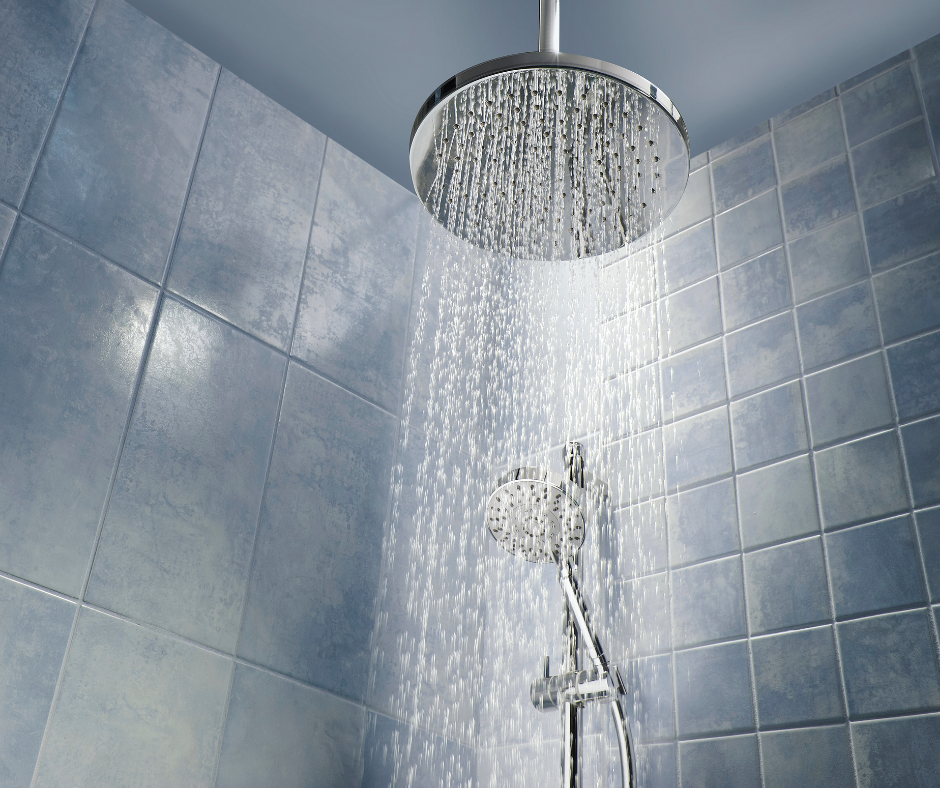
The rise of wellness culture has transformed showers into spaces for relaxation rather than quick routines. Rainfall showerheads, body sprays, and built-in benches create a spa-like environment that encourages people to slow down. This trend gained momentum during the pandemic, when homes had to serve as sanctuaries.
Aromatherapy features and chromotherapy lighting are becoming more common, though they are not just gimmicks. Warm lighting can reduce stress, while essential oil diffusers add a sensory layer to the experience. These elements reflect a broader shift toward mental health awareness and the desire to carve out moments of calm in daily life.
Water Efficiency Without Sacrificing Comfort
As water conservation becomes a national concern, modern showers are designed to use less without feeling restrictive. Low-flow showerheads now deliver strong pressure by mixing air with water, a simple engineering tweak that makes a noticeable difference.
Homeowners can also install thermostatic valves that maintain a steady temperature, reducing the need to run water while adjusting settings. This is especially useful in households with fluctuating water pressure. Small changes like these align with larger environmental goals while keeping the experience enjoyable, which is key to long-term adoption.
Lighting That Enhances the Experience
Lighting in showers used to be an afterthought, often limited to a single overhead fixture. Today, layered lighting is a key design element. Recessed lights provide general illumination, while LED strips can highlight niches or create a subtle ambiance.
Waterproof fixtures are essential, but placement matters just as much. Lighting positioned at eye level can reduce shadows and make grooming tasks easier. Some homeowners even install dimmable options to adjust brightness depending on the time of day. This attention to detail reflects a broader design philosophy where functionality and mood go hand in hand.
Storage Solutions That Stay Out of Sight
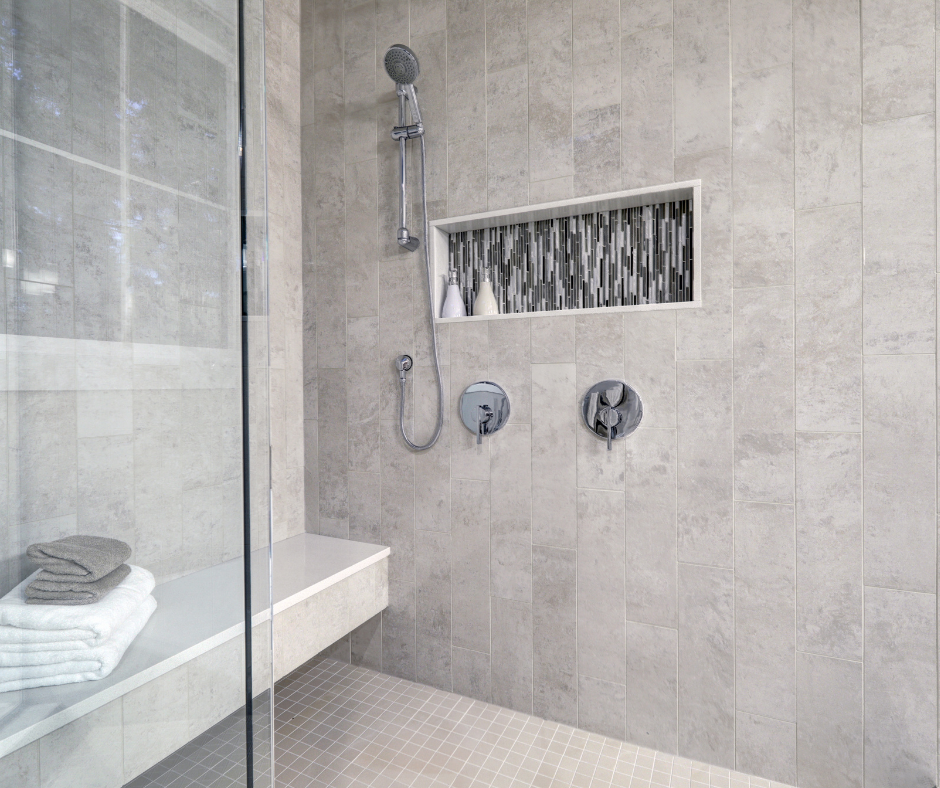
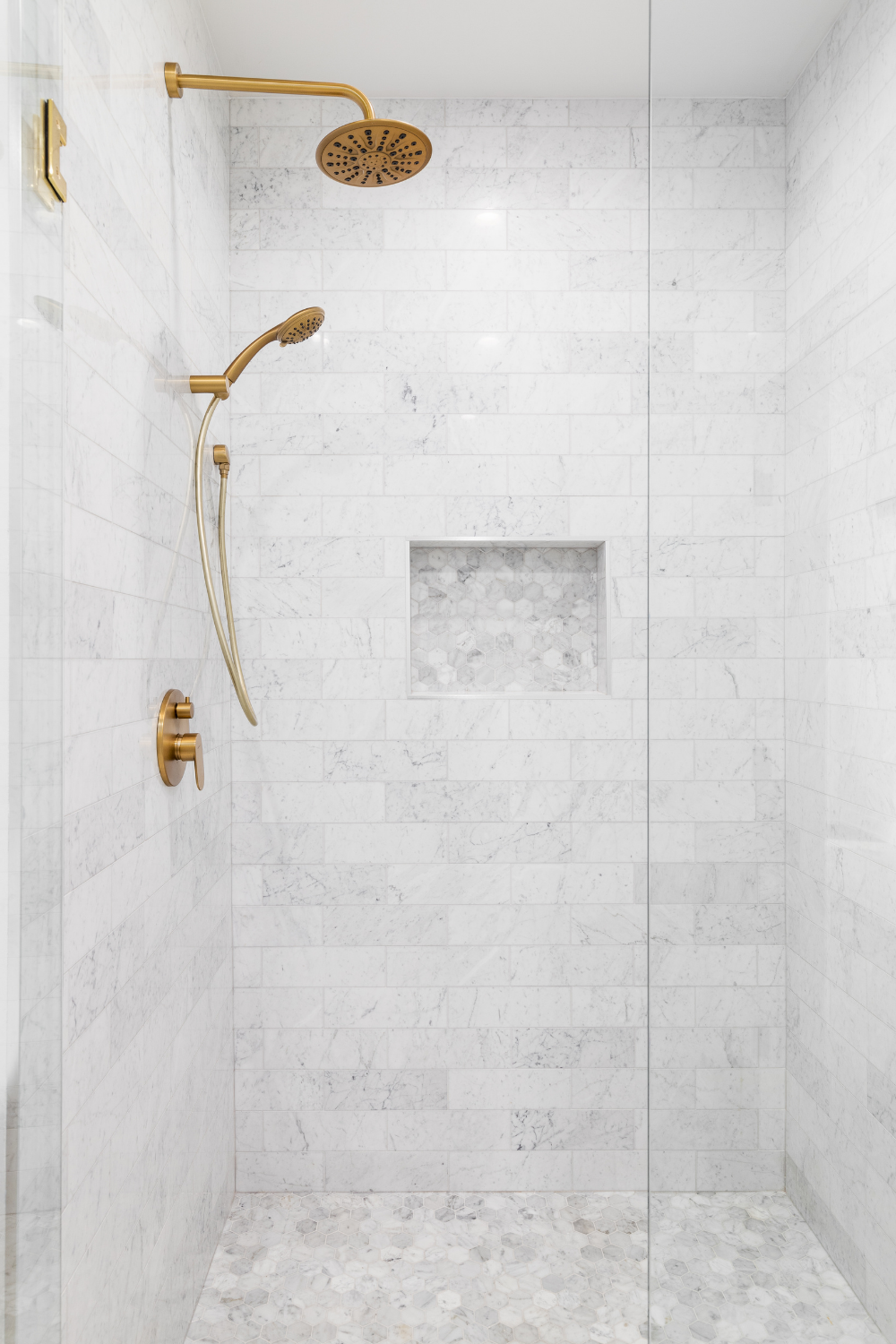
Clutter can ruin even the most beautiful shower, which is why built-in storage has become a standard feature. Niches carved into the wall keep bottles organized without taking up floor space. Floating shelves and corner benches offer additional storage while maintaining a clean look.
Designers often recommend placing niches at a comfortable height and aligning them with tile patterns for a cohesive appearance. Waterproofing is critical here, as poorly sealed niches can lead to leaks. Thoughtful storage solutions not only improve usability but also reinforce the minimalist aesthetic that defines modern design.
Modern shower design reflects more than changing tastes. It mirrors how people live, what they value, and how they adapt their homes to evolving needs. From smart technology to wellness features, these spaces have become small but meaningful expressions of contemporary life.