
Working from Home? Here’s How to Make Your Basement Work For You
Last Updated on April 16, 2026 by Janell
Working from home sounds convenient at first. No commute. More flexibility. But, over time, you realize you need a proper workspace.
One great option for a dedicated space is the basement. It’s usually just used for storage and often stays unfinished for years. But with the right approach, it can become a quiet, functional area that supports your workday.
You do not need to make it complicated. You just need to shape it in a way that works for you.
Let’s go through what it takes to make your basement a space you can rely on every day.
Start by Clearing and Assessing the Space
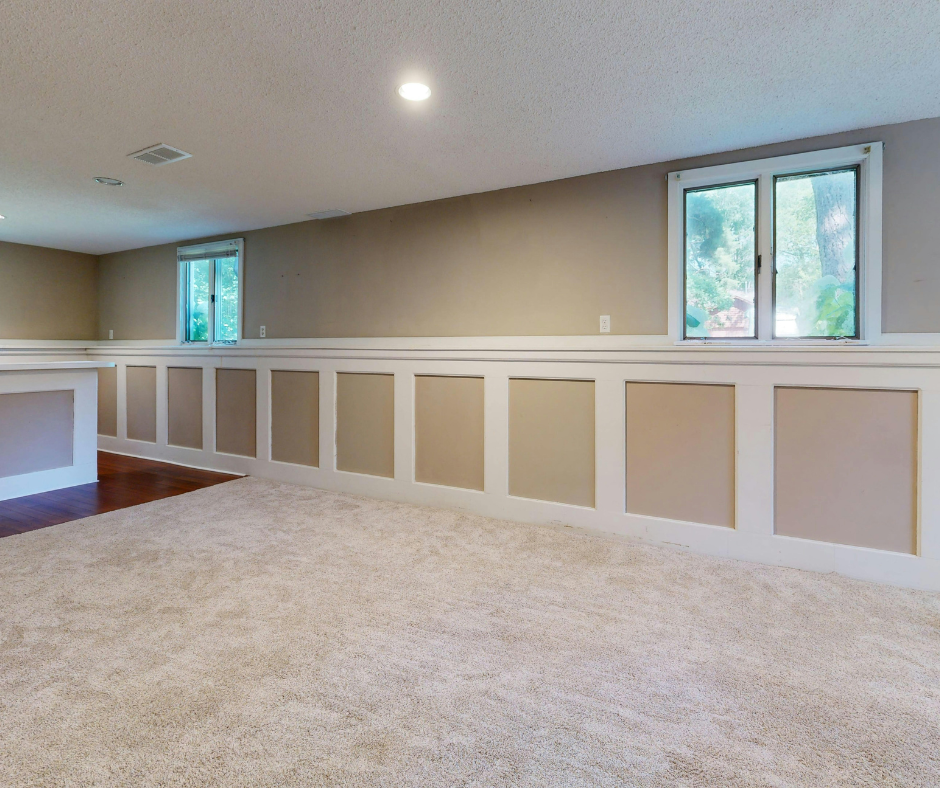
Before anything else, take a proper look at the basement. Most basements collect things over time. Boxes, old furniture, tools, items you forgot you had. All of that needs to go before you can see what the space can actually offer.
Start clearing it out section by section. As you do that, pay attention to the structure. Notice the ceiling height, the layout, and how much natural light comes in, if any. Look for signs of moisture or uneven flooring. These details matter later.
Once the space is clear, it becomes easier to plan everything.
Bring in Professionals to Get the Basics Right
A basement may look usable, but that does not mean it is ready for daily work.
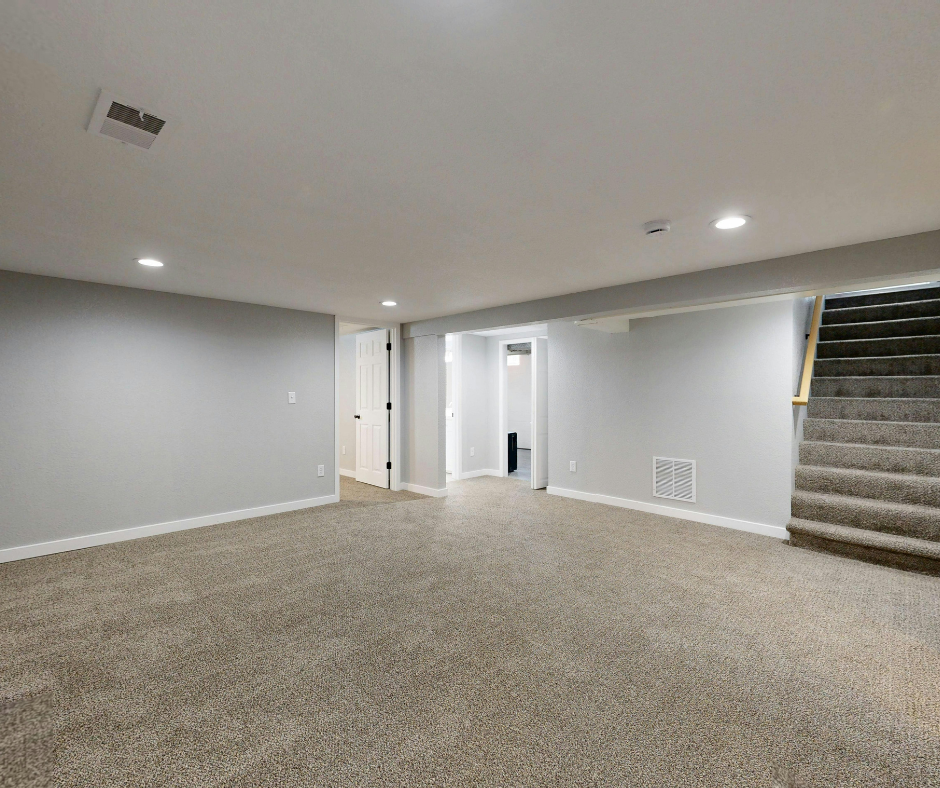
There are a few things that need to be addressed first. Moisture control, insulation, ventilation, and electrical setup all play a role in making the space comfortable and safe.
This is where top basement contractors come in.
They can inspect the space and point out issues that are easy to miss. Damp walls, poor airflow, or outdated wiring can affect how the space functions over time.
Handling these problems early makes a big difference. Contractors can also help with finishing walls, installing proper flooring, and setting up lighting and outlets. These changes turn the basement into a space you can actually use every day.
Plan a Layout That Supports Focus
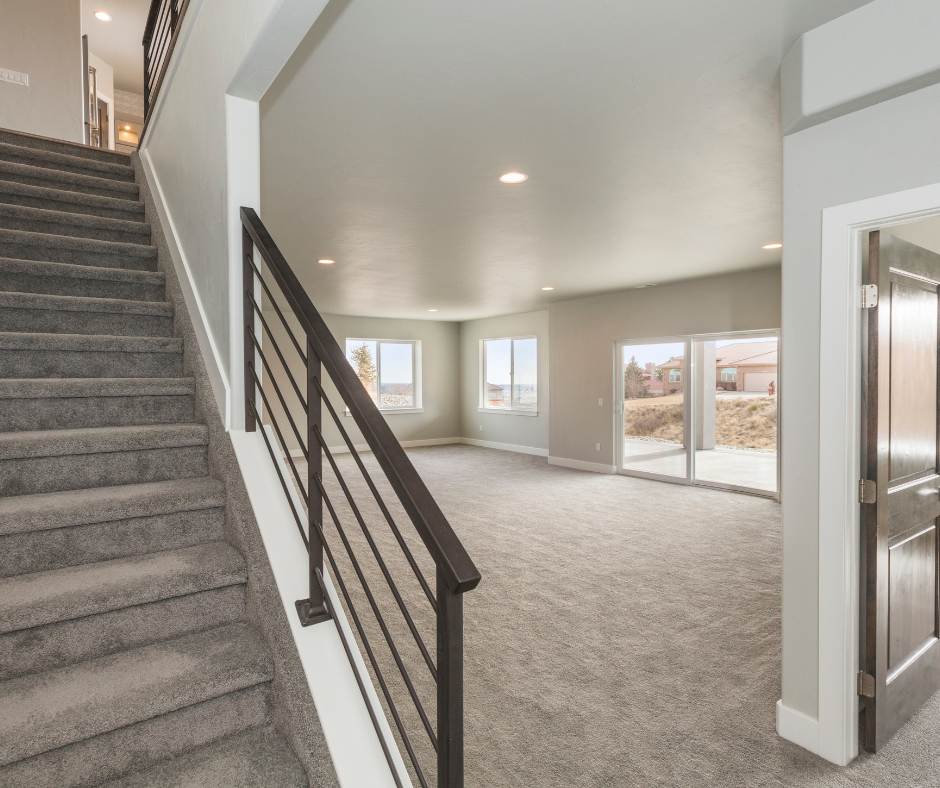
Once the structure is ready, focus on how you will use the space.
A good layout helps you stay focused during the day. It reduces distractions and keeps everything within reach.
Start with your main work area. Place your desk where it feels comfortable and practical. Keep enough space around it so the area does not feel tight. Avoid placing it in a spot that feels too enclosed.
Then think about what else you need.
Storage, a small seating area, maybe a corner for breaks. Keep it simple. Adding too much can make the space feel crowded.
A clear layout creates a sense of order. When everything has a place, it becomes easier to settle into work without constant adjustments.
Improve Lighting to Make the Space Comfortable
Most basements do not get much natural light. That can make the space feel dull or closed off, especially during long work hours.
First, you need to add proper overhead lighting. Bright, even lighting helps you see clearly and reduces strain. Then add task lighting near your desk for focused work.
If possible, choose lights that mimic natural daylight. This helps the space feel more balanced and less isolated.
Good lighting also affects your energy. When the space is well-lit, it becomes easier to stay alert and focused throughout the day.
Control Temperature and Airflow
Basements often feel cooler than the rest of the house. In some cases, they can also feel stuffy due to limited airflow. Both can affect how long you can comfortably work in the space.
So, make sure you check the insulation.
Proper insulation helps maintain a stable temperature. If the basement feels too cold, adding a heating solution can make a noticeable difference.
Airflow is just as important. Ventilation helps keep the air fresh and reduces moisture buildup. Fans or air-circulation systems can improve this with little effort.
Choose Furniture That Fits the Space
Basements often come with limitations. Lower ceilings. Narrow layouts. Corners that do not follow a standard shape. That is why furniture needs to be chosen carefully.
Large or bulky pieces can make the space feel tighter than it is.
You’ll need a desk that fits comfortably without taking over the room, and a chair that supports long hours of work.
Keep the setup practical. Measure the space before bringing anything in. This avoids the need to rearrange everything later. It also helps you keep the layout clean and functional.
Furniture should support your work, not crowd the space.
Reduce Noise and Distractions
A basement can offer a quieter environment, but it is not always completely silent. Sounds from upstairs, outside noise, or even echoes within the space can affect focus.
Simple changes can help reduce that.
Add rugs or carpets to soften sound. Use wall panels or curtains if needed. These elements absorb noise and make the space feel more controlled.
You do not need a full soundproof setup. Just reducing the most noticeable distractions can improve concentration. A quieter space helps you stay focused for longer periods without interruptions.
Set Up Reliable Internet and Power Access
Working from home depends on a stable connection. Basements sometimes struggle with weak signals, especially if the router is located far away.
So, test the connection before setting up your workspace. If the signal feels weak, consider a wired connection or a signal booster. This ensures your work does not get interrupted during important tasks.
Power access matters just as much. Make sure outlets are placed where you need them. Avoid relying on too many extension cords. A clean setup keeps everything safer and easier to manage.
Add Storage to Keep the Space Organized
A workspace becomes difficult to manage when clutter builds up.
Papers, tools, and supplies can quickly spread across the desk and surrounding areas. Storage helps prevent that. Use shelves, cabinets, or drawers to keep everything in place. Store items based on how often you use them. Keep daily essentials within reach and move less-used items out of the way. This creates a system that is easy to maintain.
When the space stays organized, it becomes easier to focus. You spend less time searching and more time working.
A basement does not need to stay unused or underwhelming. With the right adjustments, it can support your work in a way that feels steady and reliable. The space starts to align with your routine instead of working against it. You begin to notice fewer interruptions. Fewer distractions. A setup that holds everything in place without constant effort. That is when the difference shows up. Not in how much you added, but in how well everything works together.