
10 Smart Ways to Upgrade Your Living Room on a Budget
Last Updated on April 29, 2026 by Janell
Creating a living room that feels stylish, comfortable, and personal doesn’t have to come with a high price tag. In fact, some of the most effective upgrades are rooted in smart choices rather than big spending. For readers focused on saving money while improving their home, the goal is simple: get more value out of every dollar.
As interior designer Nate Berkus once said, “Your home should tell the story of who you are, and be a collection of what you love.” The good news? You don’t need a luxury budget to make that happen.
Here are 10 practical, budget-friendly ways to upgrade your living room, without sacrificing style.
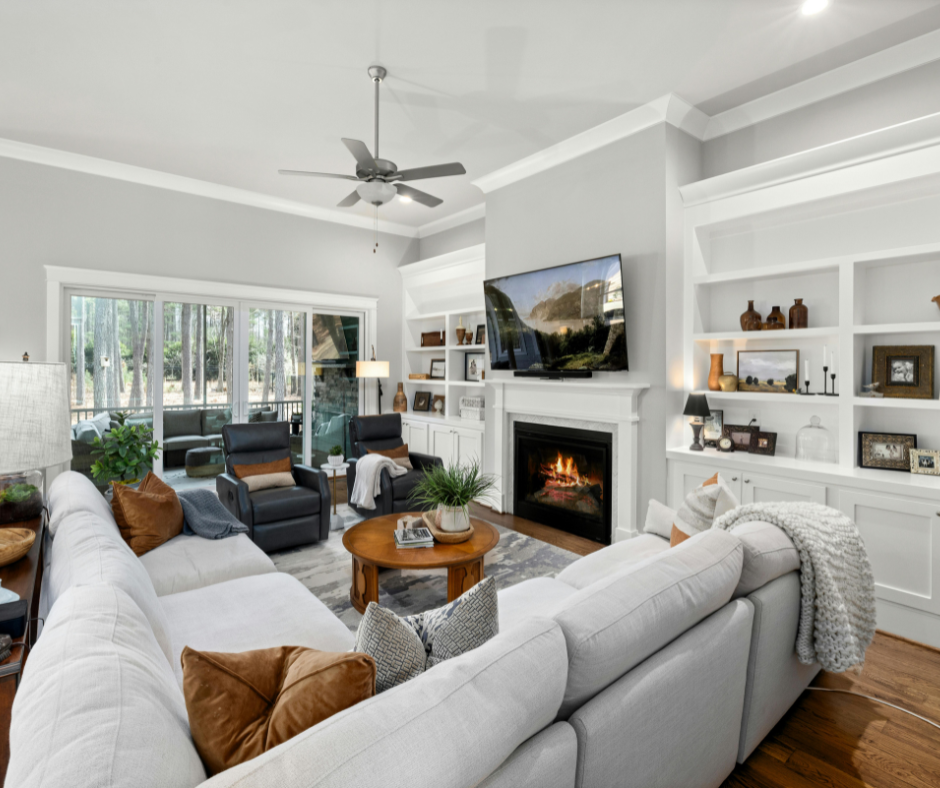
1. Start with a Sofa That Balances Cost and Quality
Your sofa is the anchor of your living room, so it’s worth getting right. But “expensive” doesn’t always mean better. Many newer direct-to-consumer brands offer well-designed sofas at a fraction of traditional retail prices.
For example, browsing Soulfa sofas online can give you access to modern, well-crafted options that focus on durability and design without the markup you’d expect from showroom brands. This approach (cutting out middlemen) has become increasingly popular among budget-conscious homeowners.
A good rule of thumb from the consumer research group Which? is to focus on frame quality and upholstery over brand name alone. A sturdy frame and easy-to-clean fabric will save you more money in the long run than chasing trends.
2. Rearrange Before You Replace
Before buying anything new, try reworking what you already have. It’s one of the most overlooked (and free) upgrades.
Interior stylists often emphasize layout as the foundation of good design. A better furniture arrangement can:
- Improve flow and functionality
- Make the room feel larger
- Highlight focal points like windows or artwork
Try pulling furniture slightly away from walls, creating conversation zones, or angling pieces differently. You might be surprised how much “newness” you can create without spending anything.
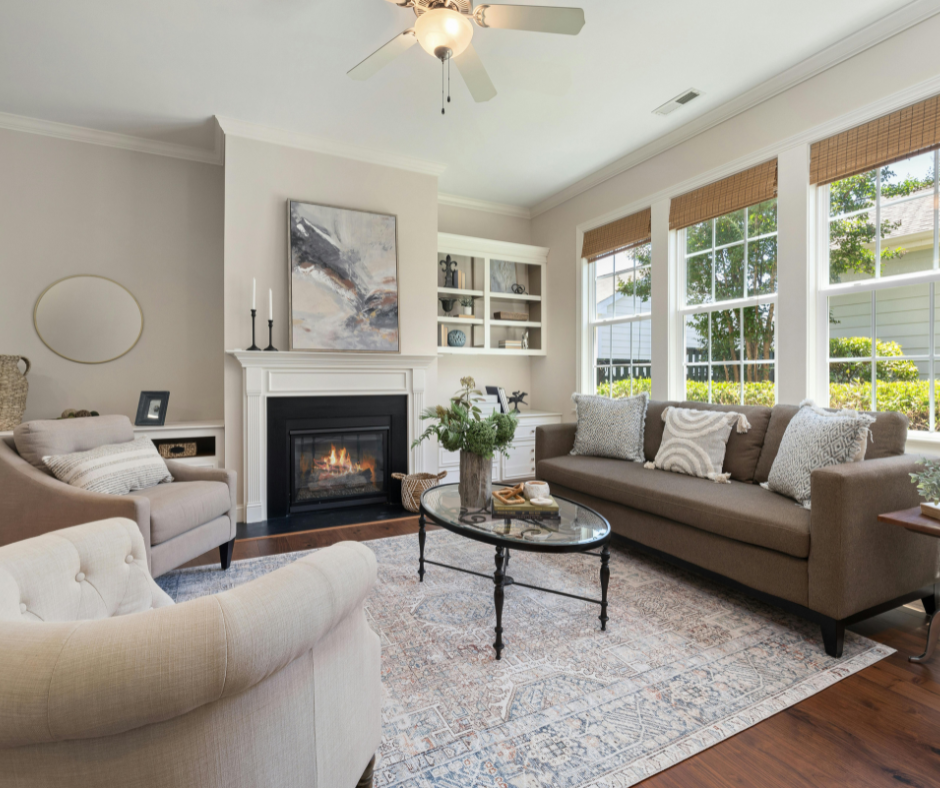
3. Add Layers with Affordable Textiles
Textiles are one of the easiest ways to upgrade a space on a budget. Layering textures adds visual interest and comfort without requiring structural changes. Think:
- Throw pillows
- Blankets
- Rugs
Stick to a cohesive color palette, but mix materials, such as linen, cotton, and wool, to avoid a flat look. Even a simple neutral sofa, such as those from Soulfa, can feel completely transformed with the right mix of cushions and throws.
4. Upgrade Your Lighting (It Matters More Than You Think)
Lighting has a huge impact on how a space feels. Poor lighting can make even expensive furniture look dull.
Instead of relying on a single overhead light:
- Add a floor lamp for warmth
- Use table lamps for softer, layered lighting
- Consider LED bulbs with a warm tone
The International WELL Building Institute highlights lighting as a key factor in comfort and mood. Better lighting can genuinely make your home feel more inviting.
5. Use Mirrors to Create the Illusion of Space
Mirrors are a classic budget trick for a reason. They reflect light and make rooms feel larger. As design expert Kelly Hoppen notes, “Mirrors are the simplest way to add light and space without altering structure.”
Place a mirror:
- Opposite a window to maximize natural light
- Behind a sofa to create depth
- In smaller living rooms, to reduce visual clutter
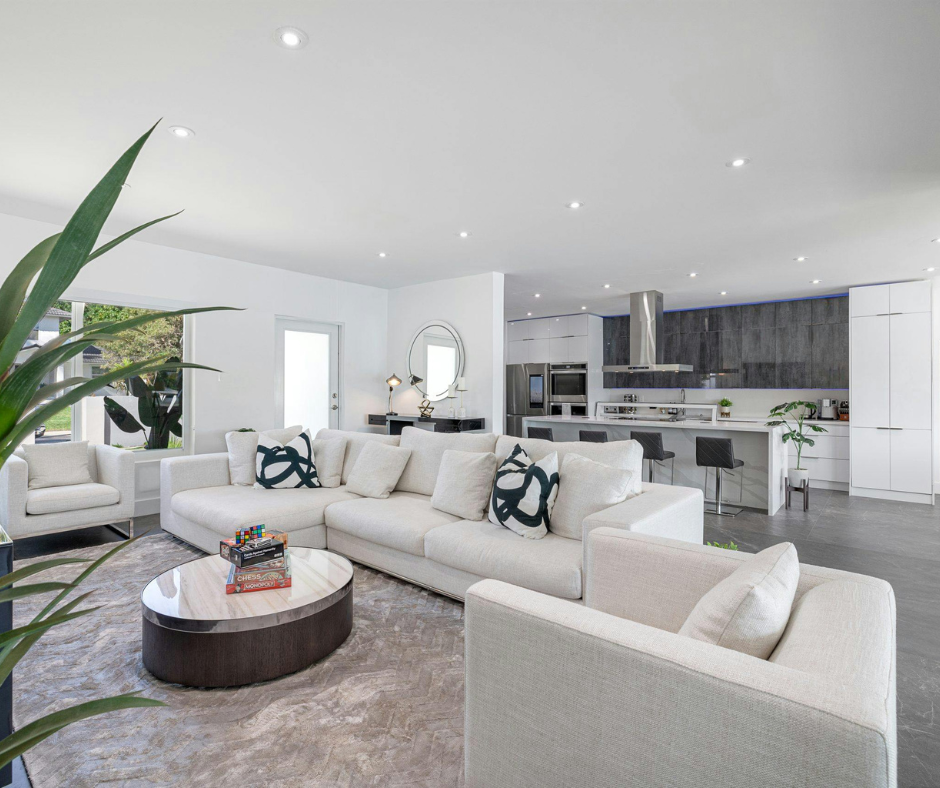
6. Focus on One Statement Piece
Trying to upgrade everything at once can quickly get expensive. Instead, focus on one standout piece.
This could be:
- A modern sofa
- A bold coffee table
- A unique armchair
Invest in one high-impact piece. Choose something like a well-designed sofa from a value-focused brand like Soulfa. Then, build the rest of the room around it. You can then add more affordable accents.
This strategy matches advice from behavioral economists. People feel more satisfied when they spend on purpose, not on many small impulse buys.
7. Refresh Walls Without Major Renovations
You don’t need a full remodel to update your walls.
Budget-friendly options include:
- A fresh coat of paint
- Peel-and-stick wallpaper
- A gallery wall using prints or photos
According to Sherwin-Williams’ color research, light shades can make a room feel bigger. Deep tones can create a cozy, high-end look.
If you’re renting, removable options are especially useful. They deliver impact without long-term commitment.
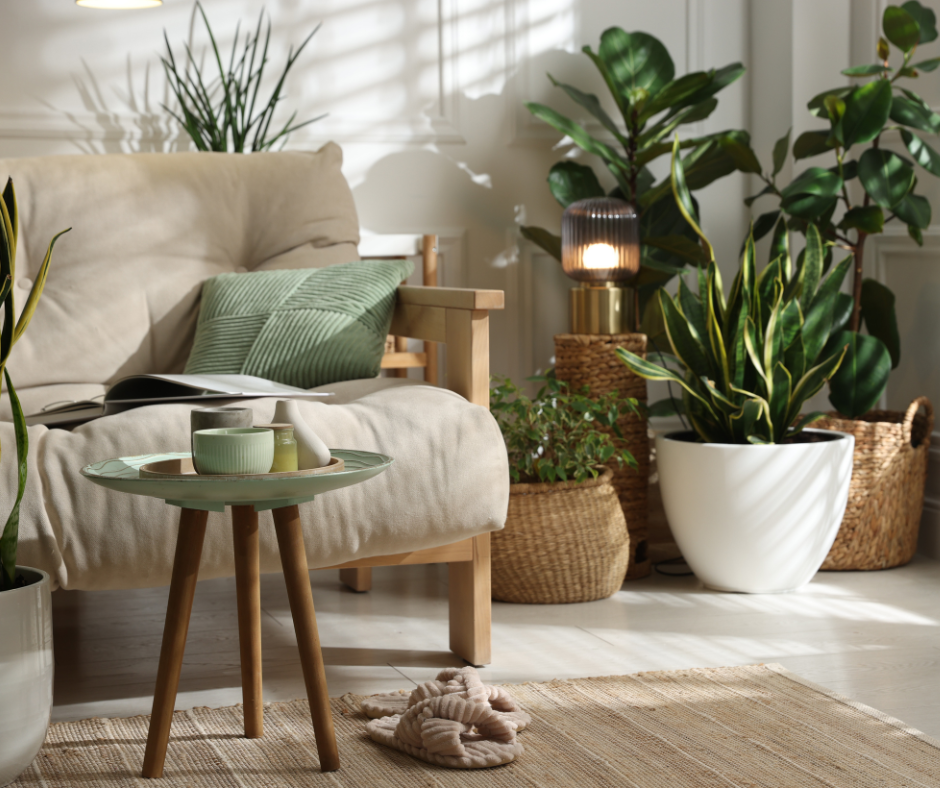
8. Incorporate Greenery (Real or Faux)
Plants bring life into a space.
Studies published in the Journal of Environmental Psychology show that indoor plants can improve mood and reduce stress. Even a few small plants can:
- Add color
- Soften hard lines
- Make the space feel more lived-in
If maintenance is a concern, high-quality faux plants can create a similar look. They also cost less over time.
9. Declutter and Edit Your Space
Sometimes the best upgrade is removing it.
Marie Kondo’s philosophy of keeping only what “sparks joy” applies perfectly to living rooms. Too many items can make even a well-designed space feel chaotic.
Focus on:
- Clearing surfaces
- Reducing unnecessary decor
- Keeping only functional or meaningful items
A cleaner space helps you appreciate the pieces you’ve chosen, especially key investments like your sofa or coffee table.
10. Shop Smart: Timing and Strategy Matter
Saving money is also about when and how you buy it.
Consider:
- Seasonal sales (especially around major holidays)
- Online-first brands that reduce overhead costs
- Bundled deals or discounts
Direct-to-consumer furniture companies, including brands like Soulfa, often offer better value by avoiding showroom markups. This aligns with broader retail trends, which highlight the growing shift toward online furniture shopping for cost-conscious consumers.
Planning purchases instead of rushing them can significantly reduce your total spend.
Upgrading your living room doesn’t require a full redesign or a large budget. With thoughtful choices, you can create a space that feels stylish and financially sensible. Focus on quality where it matters. Layer textures. Make smart purchases.
The key is balance. As architect Ludwig Mies van der Rohe famously said, “Less is more.” When applied thoughtfully, that principle can help you design a living room that looks refined without overspending.
By mixing practical upgrades with value-focused furniture, like options from Soulfa, you can create a living room. It can reflect your style, support your lifestyle, and fit your budget.
References
- International WELL Building Institute – Lighting and Comfort Guidelines
- Journal of Environmental Psychology – Effects of Indoor Plants on Wellbeing
- Which? Consumer Reports – How to Buy a Sofa That Lasts
- Sherwin-Williams – Color Psychology and Interior Design